


Don’t Judge a Mango by Its Colour: How to Tell When It’s Ripe
The CSR Journal Magazine

Determining when a mango is ripe can enhance the eating experience and avoid disappointment. While many consumers often assess a mango’s ripeness based solely on its colour, experts indicate that there are multiple indicators to consider. These include not just the appearance of the fruit but also its aroma and texture. As the mango season approaches, particularly in India, a few simple techniques can aid in selecting a perfectly ripe mango.

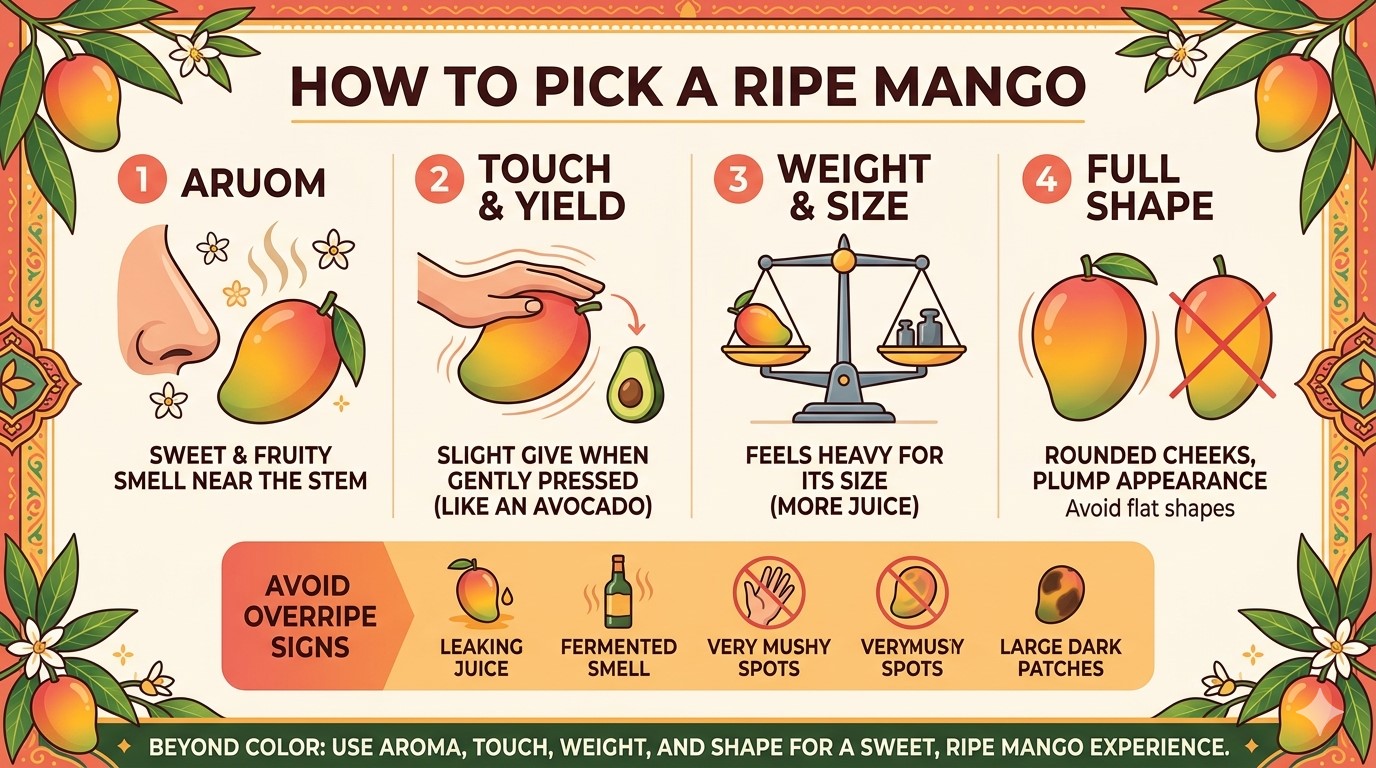
The first sign is the sweet aroma emitted from the mango, especially near the stem. This pleasant fruity smell can signal ripeness. Additionally, a good-quality mango should yield slightly when gentle pressure is applied; this should be similar to how a ripe avocado feels. When selecting a mango, the weight is another factor to consider; a ripe mango often feels heavier in relation to its size due to a higher juice content.

A ripe mango typically showcases a plump appearance, meaning it should have full, rounded cheeks rather than a flat shape. Minor blemishes are acceptable, but it is wise to avoid those with deep bruises or significant damage. Slight wrinkling near the stem can indicate that the mango is mature and ready for consumption, while observing colour change can also be a useful factor, as some varieties develop distinct yellow, orange, or golden hues when ripe.

Common Misconceptions About Ripeness

A prevalent misconception among shoppers is the belief that a mango’s colour is a definitive sign of ripeness. It is essential to note that different mango varieties have unique ripening processes. Some may remain green even when they are perfectly ripe, while others may transition to yellow, orange, or other colours. Therefore, relying solely on colour may lead to misjudgments, and it is advisable to consider touch and aroma as more reliable indicators of ripeness.

For those who encounter firm mangoes that appear healthy but do not yield to pressure, it is possible to ripen them at home. Leaving the mango at room temperature for a few days can facilitate the ripening process, and placing it in a paper bag can expedite this. Once the mango attains ripeness, storing it in the refrigerator can slow down any further ripening.

Conversely, consumers should be alert to signs indicating that a mango may be overripe. Characteristics such as a strong fermented or alcoholic odour, very soft or mushy spots, large dark patches on the skin, leaking juice, or deep wrinkles may suggest that the fruit has surpassed its ideal ripeness and should be avoided.

Final Tips for Mango Selection

To ensure the best selection of mangoes, a quick mental checklist can be beneficial prior to making a purchase. Consumers should consider the desired aroma, the feel of slight softness, the weight of the mango relative to its size, the overall shape, and the condition of the skin. A smooth surface without major damage is also preferred. Following these checks can significantly enhance the chance of selecting a sweet, ripe mango.

The reality is that the most visually striking mango may not always be the best choice. An enticing aroma, a slight give when pressed, a substantial weight, and an overall healthy appearance are strong indicators of ripeness. Shoppers are encouraged to employ these simple guidelines to improve their chances of finding the sweetest mangoes available in the market.

Long or Short, get news the way you like. No ads. No redirections. Download Newspin and Stay Alert, The CSR Journal Mobile app, for fast, crisp, clean updates!

App Store –  https://apps.apple.com/in/app/newspin/id6746449540 

Google Play Store – https://play.google.com/store/apps/details?id=com.inventifweb.newspin&pcampaignid=web_share

Latest News

Popular Videos
