


NCR Boundary Reduction Unlikely Amid Urban Development Challenges
The CSR Journal Magazine

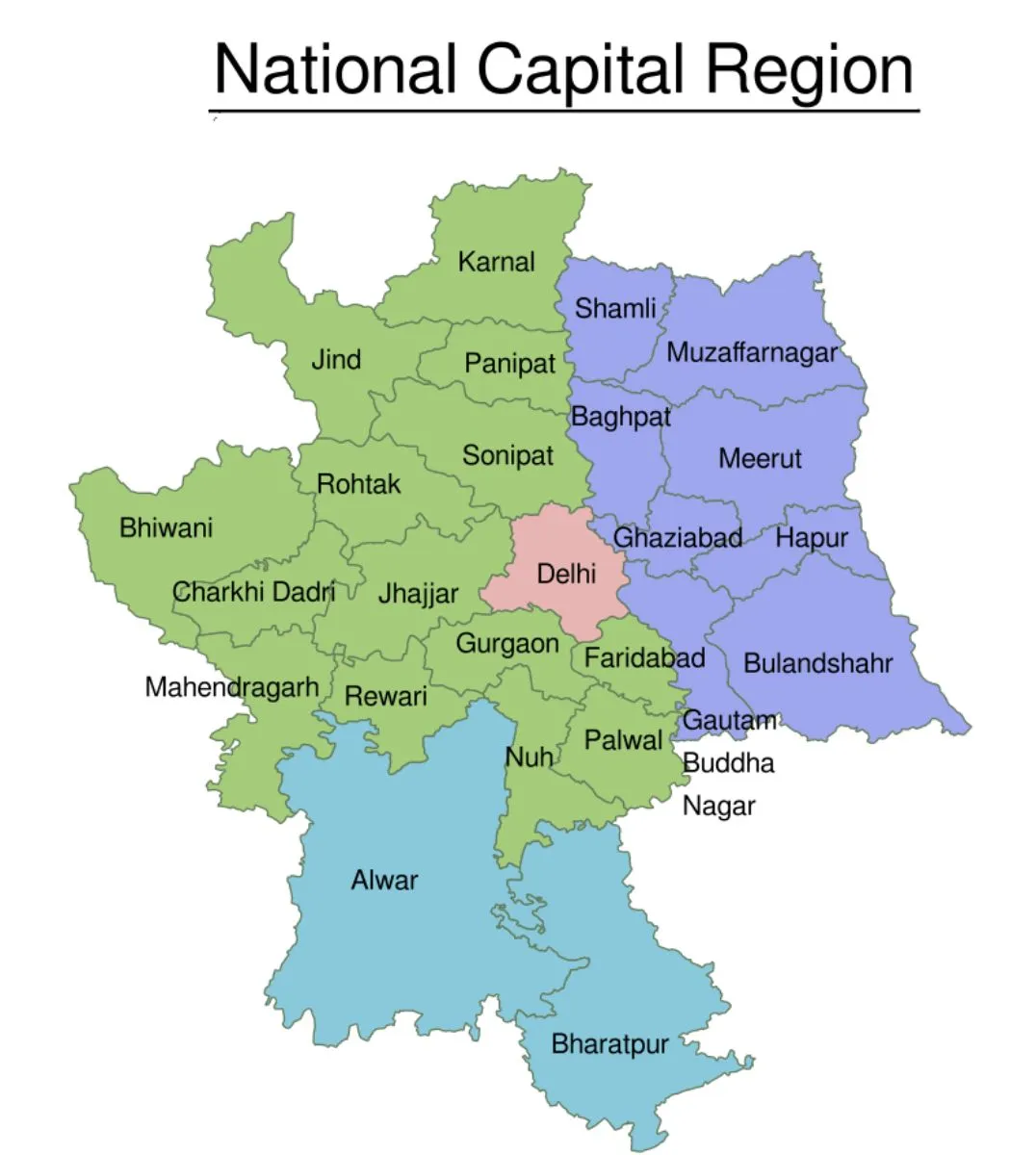
The decision regarding the potential reduction of the National Capital Region (NCR) boundary appears to be unfavourable. Multiple officials from relevant departments have indicated that the existing boundaries, which encompass regions of Haryana, Uttar Pradesh, and Rajasthan in addition to Delhi, are unlikely to be altered in the near future.

This assertion comes in the wake of various discussions and recommendations presented by various stakeholders regarding the effective management of urban complexities in the region. The NCR Planning Board has reiterated that the boundaries play a crucial role in facilitating coordinated planning and infrastructure development.

The importance of maintaining the current NCR delineation is underscored by the fact that such changes may lead to complications in urban planning, particularly in areas concerning transportation, housing, and environmental sustainability. According to officials, a comprehensive approach is necessary to address these challenges, rather than solely focusing on boundary adjustments.

Regional Development Challenges

Urban development within the NCR has faced numerous challenges, including overcrowding and infrastructure inadequacies. The rising population in cities like Delhi has intensified the need for cohesive planning across state lines. With a growing number of residents commuting from neighbouring states, cohesive regional management is imperative.

Concerns regarding traffic congestion and environmental degradation have led to calls for more strategic development initiatives. Experts argue that rather than reducing the NCR, emphasis should be placed on improving transportation networks, boosting public utilities, and enhancing public safety measures. These efforts aim to ensure that the region can handle an ever-increasing population without compromising quality of life.

Moreover, the National Capital Region has seen rapid urbanisation that necessitates synchronised policies across involved states. The existing boundary framework is thought to support this by offering a unified platform for governance. Thus, a shift in the boundaries could potentially disrupt ongoing projects aimed at mitigating regional issues.

Future Prospects for the NCR

Looking ahead, the prospects for the NCR are tied to sustained collaboration among all stakeholders. The emphasis on integrated development strategies remains a focal point in ongoing discussions. Government authorities have stated that combating the impacts of rapid urban expansion requires a well-coordinated and cooperative approach rather than fragmentation.

The NCR Planning Board has promised to focus on initiatives that can alleviate growing pains through infrastructural advancements and sustainability efforts. By prioritising these elements, officials believe the NCR can evolve into a model of metropolitan governance in the country.

Long-term plans include investments in smart city proposals aimed at improving living standards. The authorities have been keen on showcasing how appropriate planning can lead to enhanced infrastructure, better public transport systems, and overall sustainable growth. As such, maintaining the existing NCR boundaries is viewed as a strategic choice for facilitating these ambitious plans.

Ultimately, while the boundaries of the NCR remain intact for now, the ongoing dialogue surrounding urban management will continue to evolve. Stakeholders are expected to seek innovative solutions that will address the pressing challenges posed by urbanisation while maintaining the integrity of the current regional framework.

Long or Short, get news the way you like. No ads. No redirections. Download Newspin and Stay Alert, The CSR Journal Mobile app, for fast, crisp, clean updates!

App Store –  https://apps.apple.com/in/app/newspin/id6746449540 

Google Play Store – https://play.google.com/store/apps/details?id=com.inventifweb.newspin&pcampaignid=web_share

Latest News

Popular Videos
