


China Launches Three Astronauts for Year-Long Space Mission
The CSR Journal Magazine

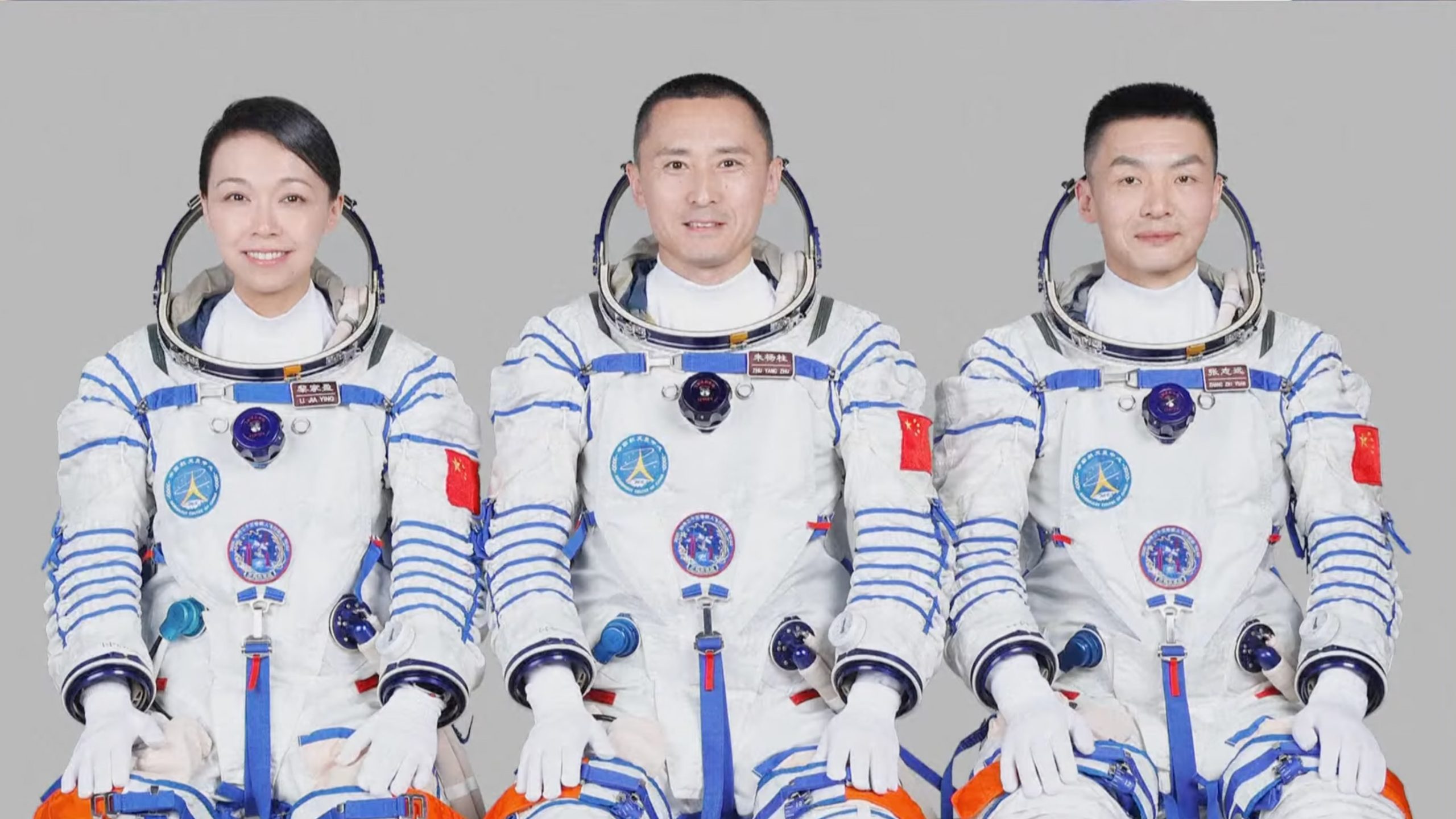
China has initiated a significant phase in its space exploration efforts by sending three astronauts into orbit on the Shenzhou-23 mission. This undertaking is intended to examine how individuals adapt to prolonged periods in space, as well as to test critical technologies needed for future lunar missions. The Shenzhou-23 spacecraft was successfully launched on a Long March rocket from the Jiuquan launch centre located in northwestern China, carrying the crew to the Tiangong space station.

The crew comprises commander Zhu Yangzhu, pilot Zhang Zhiyuan, and payload specialist Li Jiaying, who is notable for being the first astronaut from Hong Kong. One of the astronauts will reside in space for an entire year, marking a milestone as China’s longest human spaceflight mission to date.

Research and Technological Advancements in Space

The primary aim of the Shenzhou-23 mission is to understand the impacts of extended space travel on the human body and mind. Researchers are particularly interested in how living in a microgravity environment for several months might affect bone and muscle health, heart function, and psychological well-being. Detailed monitoring of these factors will enhance understanding of the risks involved and contribute to strategies designed to maintain astronaut health during future missions.

In addition to health studies, the crew will also conduct tests on innovative technologies, notably automated docking systems. These systems enable spacecraft to connect with the space station autonomously, which is crucial for future, more complex missions that require higher levels of automation and less human intervention.

Furthermore, the astronauts are set to engage in several scientific experiments, including research concerning early human embryo development in a microgravity setting. This work underscores the relevance of Tiangong as an active, functional orbital laboratory, continually occupied since 2022.

Future Prospects for Lunar Exploration

China’s space programme has experienced rapid advancements in recent years. Since launching its first astronaut into space in 2003, the nation has established reliable launch vehicles, developed a functional space station, and conducted numerous crewed missions. The current focus is on extending flight durations, which are vital for longer missions, including potential lunar landings.

The year-long stay aboard Tiangong will facilitate the collection of essential data regarding radiation exposure, physical health, and the intricacies of daily life in space. Such insights are crucial for planning lunar missions, which will necessitate extended durations away from Earth.

Success in this mission will be instrumental for China as it prepares for future excursions deeper into space, with aspirations to land on the Moon by the end of this decade. The significant participation of Li Jiaying, an astronaut from Hong Kong, resonates with many observers, symbolising the expanding involvement of diverse talents from various regions of the country in space exploration.

As the astronauts carry out their important work above Earth, the Shenzhou-23 mission addresses significant questions regarding human endurance in space and the knowledge required for safe lunar landings. Through methodical efforts, China aims to accumulate the necessary insights to advance in space exploration.

Long or Short, get news the way you like. No ads. No redirections. Download Newspin and Stay Alert, The CSR Journal Mobile app, for fast, crisp, clean updates!

App Store –  https://apps.apple.com/in/app/newspin/id6746449540 

Google Play Store – https://play.google.com/store/apps/details?id=com.inventifweb.newspin&pcampaignid=web_share

Latest News

Popular Videos
