


Chandrayaan-3 Study Finds Similarity Between Moon Soil And First Known Lunar Meteorite
The CSR Journal Magazine

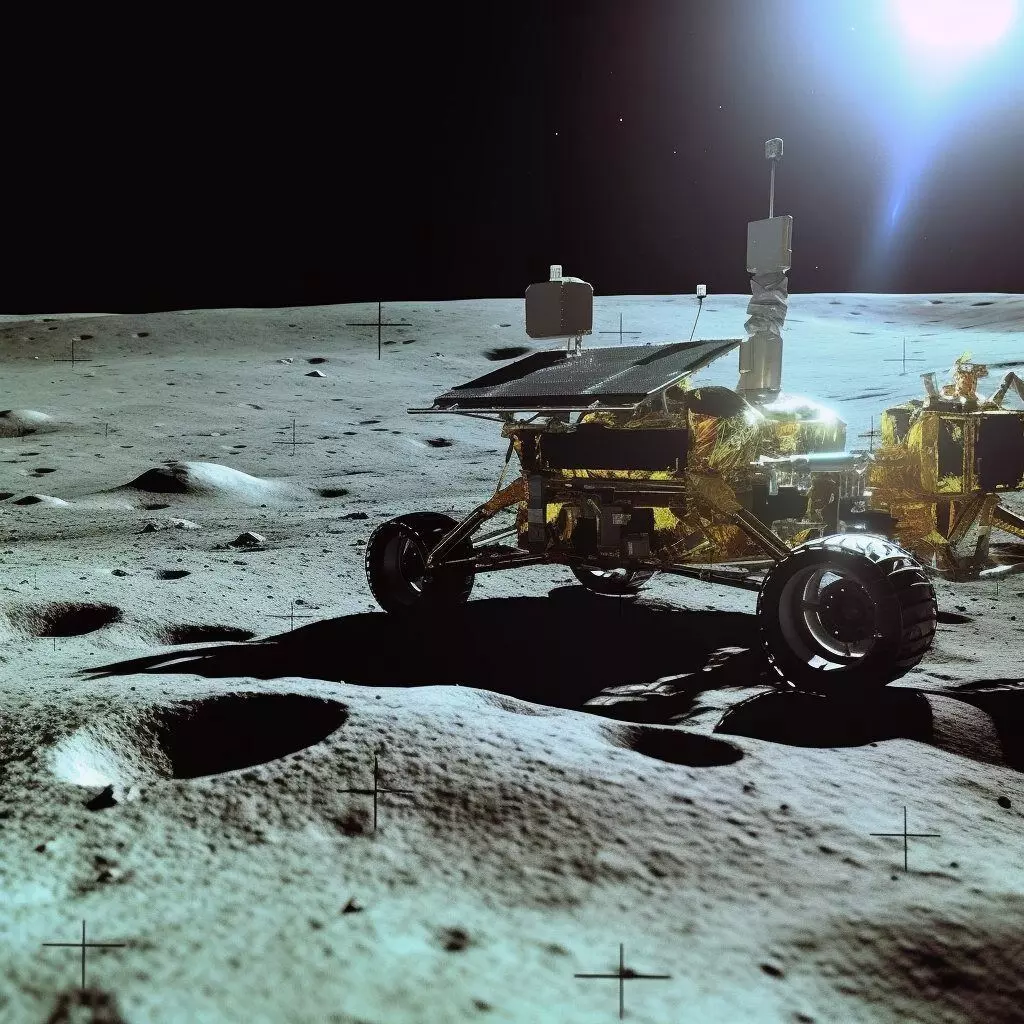
Soil analysed by the Pragyan rover during the Chandrayaan-3 mission has shown a geochemical composition closely matching that of the first meteorite ever confirmed to have originated from the Moon, according to a new scientific study.

The findings, based on samples examined at the Shiv Shakti Station near the Moon’s south polar region, offer fresh insights into the composition of the lunar crust and may help scientists better understand the Moon’s geological history. The study was conducted by researchers from the Physical Research Laboratory (PRL), Ahmedabad, and published in the journal npj Space Exploration.

Similarities Between Lunar Soil And Meteorite

According to the study, titled “Chandrayaan-3 APXS measurements reveal Lunar highland compositional diversity and meteorite connections”, the soil analysed by the rover shares key chemical characteristics with ALHA 81005, the first meteorite recognised as having a lunar origin.

Researchers found that both the meteorite and the lunar soil at Shiv Shakti Station contain nearly identical levels of aluminium oxide, as well as a comparable combination of iron oxide and magnesium oxide.

The Indian Space Research Organisation (ISRO) said the similarity points to a common type of magnesium-rich lunar crust and surface material, offering a valuable connection between direct lunar observations and meteorite samples studied on Earth.

Findings Do Not Indicate Common Origin

Scientists cautioned that the results do not suggest the meteorite originated from the Chandrayaan-3 landing site itself.

The study stated that “the Lunar meteorite came from the Shiv Shakti Station” is not supported by the findings. Instead, the resemblance indicates that both the meteorite and the landing site represent a similar class of magnesium-rich lunar crust and regolith, the loose material covering the Moon’s surface.

ALHA 81005 was discovered in Antarctica’s Allan Hills region during an expedition conducted in 1981-82 and later became the first meteorite conclusively identified as originating from the Moon.

Evidence Of Material From Deeper Lunar Layers

The analysis also revealed that the soil at Shiv Shakti Station is not composed solely of material from the Moon’s upper crust.

According to ISRO, the region appears to contain a mixture of materials originating from different layers of the lunar crust. Researchers identified fragments of magnesium-rich rocks that are believed to have been transported from deeper beneath the surface.

These findings suggest a more complex geological history for the area and provide evidence that material from the Moon’s interior may have been brought to the surface through ancient geological processes.

Highlighting the significance of the research, ISRO said the discovery strengthens scientific understanding of the Moon’s early evolution. “By linking the Shiv Shakti Station to the Moon’s first recognised meteorite, the Chandrayaan-3 mission has opened new avenues for understanding the formation of the ancient lunar crust,” the space agency said.

The study adds to the growing body of scientific data generated by Chandrayaan-3 and offers new perspectives on the composition and evolution of the lunar highlands.

Long or Short, get news the way you like. No ads. No redirections. Download Newspin and Stay Alert, The CSR Journal Mobile app, for fast, crisp, clean updates!

App Store –  https://apps.apple.com/in/app/newspin/id6746449540 

Google Play Store – https://play.google.com/store/apps/details?id=com.inventifweb.newspin&pcampaignid=web_share

Latest News

Popular Videos
