


Centre Launches Major Healthcare Initiatives to Enhance Emergency and Maternal Care
The CSR Journal Magazine

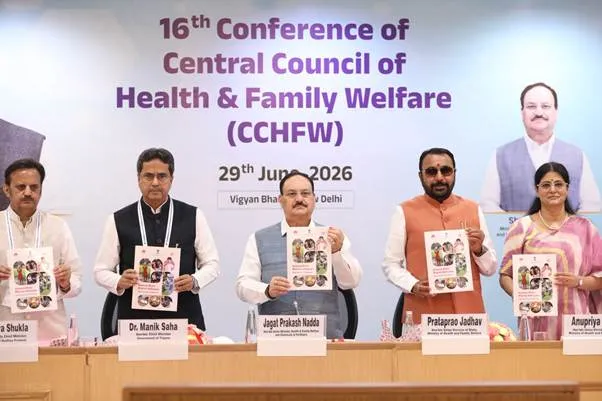
The Union government has announced the launch of Operational Guidelines on National Ambulance Services (NAS), 2026, aimed at improving emergency medical care across India. These guidelines seek to standardise ambulance services in all states and Union Territories, introducing a unified approach to ambulance categories, equipment, staffing, and training for emergency medical technicians.

Key features of the new policy include GPS-enabled tracking for ambulances and the establishment of Integrated Command and Dispatch Centres. These measures are expected to lead to better coordination with the national emergency helpline, 112, thereby reducing response times and improving patient care during emergencies.

By ensuring that timely treatment is accessible to all individuals regardless of geographic location, the government aims to enhance the overall efficiency of emergency healthcare services throughout the country.

SUMAN Roadmap 2030 Aims at Safer Maternal and Newborn Health

In a further commitment to improving maternal and child healthcare, the government has launched the SUMAN Roadmap 2030. This initiative targets a significant reduction in maternal and newborn mortality rates, particularly in districts facing the greatest healthcare challenges. The roadmap encompasses comprehensive care throughout the pregnancy journey, from pre-pregnancy to postnatal phases.

Key elements of the SUMAN initiative include enhanced monitoring of high-risk pregnancies and home visits during the third trimester by Accredited Social Health Activists (ASHA). The plan also focuses on improving referral transport and emergency obstetric care to ensure women receive the necessary support during childbirth.

Special efforts will be directed towards high-focus districts in various states, with an aim to improve access to quality maternal healthcare and promote institutional deliveries among expectant mothers.

New Samagra Shishu Bal Swasthya Karyakram for Children

The Samagra Shishu Bal Swasthya Karyakram (SSBSK) is a newly introduced national programme focusing on the healthcare of children from birth to three years. This crucial developmental phase is vital for physical and cognitive growth. The SSBSK aims to unify existing home-based care services for newborns and young children into an integrated system.

This initiative will provide additional home visits for children identified as high-risk and will include well-baby sessions and monthly health camps. Furthermore, the programme promotes digital tracking of children’s health and incorporates routine mental health screenings for mothers following childbirth.

Alongside these health services, the SSBSK emphasises early learning, nutrition, and responsive caregiving, which are essential for healthy development during the first 1,000 days of life. By focusing on preventive measures and technological advancements, the government aims to ensure a supportive healthcare framework from emergency care to child development.

Successful implementation of these three initiatives relies on effective collaboration among the Centre, state governments, and frontline health workers who play a vital role in delivering these services. If effectively executed, these programmes have the potential to significantly enhance ambulance response times, decrease maternal and infant mortality rates, and fortify primary healthcare services throughout India.

Long or Short, get news the way you like. No ads. No redirections. Download Newspin and Stay Alert, The CSR Journal Mobile app, for fast, crisp, clean updates!

App Store –  https://apps.apple.com/in/app/newspin/id6746449540 

Google Play Store – https://play.google.com/store/apps/details?id=com.inventifweb.newspin&pcampaignid=web_share

Latest News

Popular Videos
