


187% Rainfall Spike in Rajasthan Raises Alarm Over Flooding and Agriculture
The CSR Journal Magazine

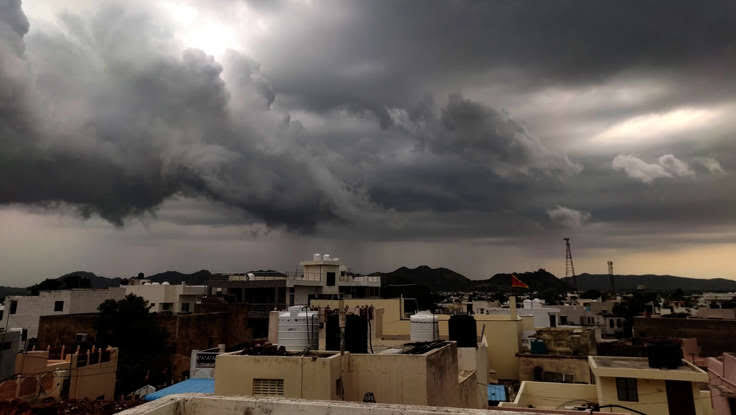
The state of Rajasthan, typically recognised for its arid landscapes, has recorded an extraordinary increase of nearly 187 per cent in rainfall during June. This anomaly positions Rajasthan as the wettest area in India for the month. While the additional rainfall might initially seem beneficial for a state that often grapples with water shortages, the situation is more complex than it appears.

Heavy rainfall within a short timeframe can lead to substantial issues, particularly in regions where dry conditions prevail for most of the year. Short bursts of excessive rain can overwhelm local drainage systems, resulting in waterlogged roads and flooded neighbourhoods, disrupting essential transportation services.

Causes of Increased Rainfall

The continuous heavy rain in Rajasthan is not attributed to the traditional monsoon, which has yet to make an appearance in northern India. Instead, the state is undergoing the effects of western disturbances, influenced by climate change and pre-monsoon weather patterns. The reasons are multifaceted, but the relentless rain persists across the region.

Not all rainfall yields the same benefit. While steady, gentle rain is advantageous for replenishing soil moisture and groundwater supplies, intense downpours often result in significant runoff. In Rajasthan, where many areas are unaccustomed to such sudden precipitation, the consequences can be detrimental.

Agriculture is particularly affected, as fields can become inundated, damaging crops cultivated in anticipation of the rainy season. Additionally, the nutrient-rich topsoil that is vital for future harvests can be washed away, creating long-term implications for farmers.

Challenges Regarding Water Management

Rajasthan’s reliance on deep groundwater reserves complicates the situation further. While surface-level rainfall may appear plentiful, accumulation below ground takes time to recover. When rain arrives in sudden downpours, much of it flows away before it can effectively percolate into the soil and recharge the depleted aquifers. Consequently, it is possible for the region to face water shortages later despite experiencing flooding during the rainy season.

The recent excessive rainfall is also affecting the sowing period for kharif crops, which are essential to the local food supply. Farmers may find their planted crops at risk due to excess water, and disruptions in agriculture could further exacerbate food security concerns in the area.

In the face of these immediate challenges, more extensive environmental shifts are evident. Scientists have noted a growing trend of erratic weather patterns characterized by prolonged dry spells giving way to brief but intense rainfall. Such a transformation presents new challenges for Rajasthan, a state historically conditioned to manage insufficient rainfall.

With decades of experience in combating water scarcity, the state must now adapt to also address the risks associated with sudden excess of rain. A sustainable approach to water management will be essential to mitigate both immediate and long-term consequences of fluctuating weather patterns.

Long or Short, get news the way you like. No ads. No redirections. Download Newspin and Stay Alert, The CSR Journal Mobile app, for fast, crisp, clean updates!

App Store –  https://apps.apple.com/in/app/newspin/id6746449540 

Google Play Store – https://play.google.com/store/apps/details?id=com.inventifweb.newspin&pcampaignid=web_share

Latest News

Popular Videos
