


Yogi Adityanath Accuses TMC Of Restricting Idol Immersion Processions
The CSR Journal Magazine

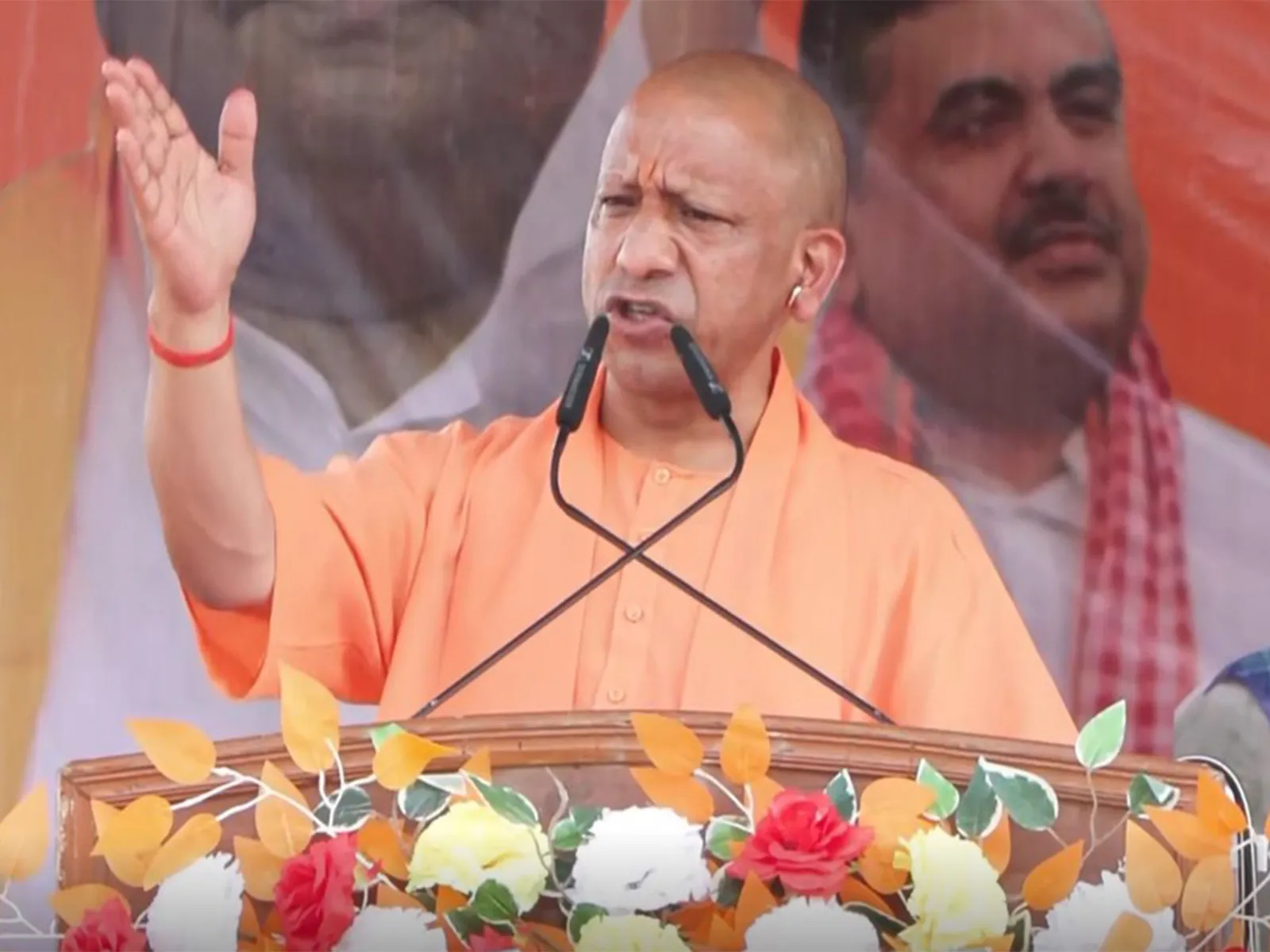
Yogi Adityanath, the Chief Minister of Uttar Pradesh, has made assertions claiming that the Trinamool Congress (TMC) government in West Bengal is imposing restrictions on idol immersion processions. This statement was made during a campaign rally in the state. According to him, these curbs have negatively affected the cultural practices associated with religious festivals.

Adityanath indicated that the TMC’s actions are focused on limiting the immersion of idols, which is a significant part of various festivals. He emphasised the importance of these traditions in maintaining religious harmony and cultural identity, arguing that the TMC is undermining the rights of devotees to celebrate freely.

The Chief Minister further pointed out that while these processions face limitations, activities such as namaz are reportedly permitted on public roads. This, he claimed, demonstrates a bias in the treatment of different religious groups under the TMC government.

TMC’s Response and Context of the Festival

The TMC has contested the assertions made by Adityanath, stating that it is committed to maintaining law and order during festivals. They argue that certain measures are necessary to ensure public safety during immersion processions, especially in densely populated urban areas where traffic management can become a challenge.

The festival season often leads to large crowds participating in religious processions, which can create potential safety hazards. The TMC claims that these regulations are meant to protect the citizens and have nothing to do with restricting religious freedoms. The party also reiterated its support for cultural practices while asserting that governance must prioritise public order.

In a broader context, the issue of religious processions has often been a sensitive topic in Indian politics. The debate over balancing religious rights and public safety continues to be a contentious issue, especially during significant festivals, when large gatherings are common.

Public Sentiment and Political Implications

The statements made by Adityanath appear to resonate with a section of the public that feels strongly about protecting cultural practices. Many community members have expressed their concerns that such restrictions are not only an infringement on their rights but also a sign of deteriorating interfaith relations.

Political analysts suggest that these remarks could energise the voter base for the Bharatiya Janata Party (BJP) in Bengal, especially ahead of upcoming electoral battles. This strategy may appeal to sentiments among the electorate who prioritise cultural and religious assertion against perceived political bias.

As the politicking intensifies, both parties will need to navigate carefully around the topic of religious freedoms, public safety, and the administration of law in order to maintain their voter base while addressing community concerns.

The outcome of these discussions may also influence the broader national dialogue regarding secularism, cultural practices, and the administrative responses to religious events, setting the stage for future political engagements and potential policy changes in West Bengal and beyond.

Long or Short, get news the way you like. No ads. No redirections. Download Newspin and Stay Alert, The CSR Journal Mobile app, for fast, crisp, clean updates!

App Store –  https://apps.apple.com/in/app/newspin/id6746449540 

Google Play Store – https://play.google.com/store/apps/details?id=com.inventifweb.newspin&pcampaignid=web_share

Latest News

Popular Videos
