


Why Urban India Struggles With Breastfeeding Continuity Despite Early Gains
The CSR Journal Magazine

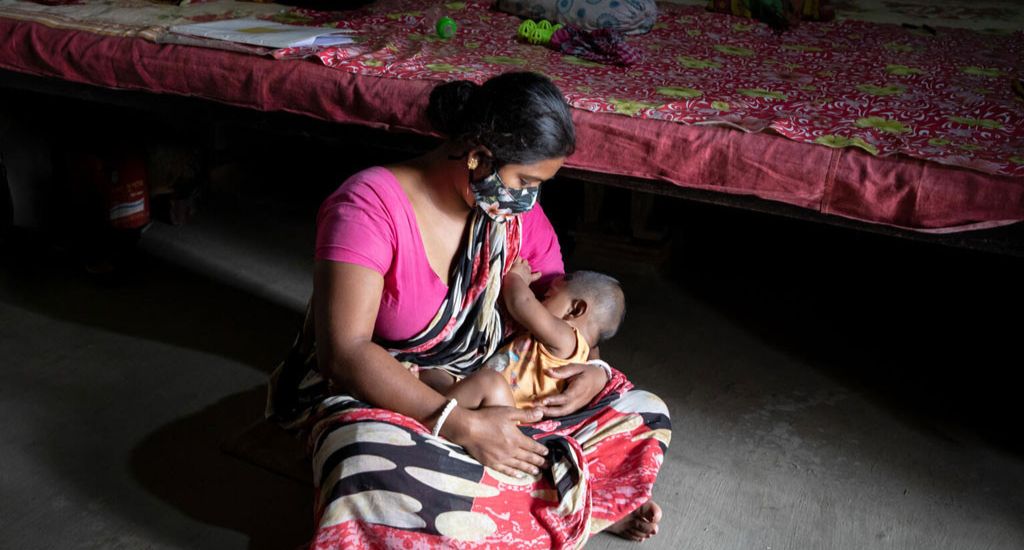
A recent study highlights significant disparities in breastfeeding practices among urban Indian mothers, particularly between those residing in slum and non-slum areas. Using data from the National Family Health Survey conducted in 2015–16, the research shows that while early initiation of breastfeeding is more common in slum areas, the trend reverses for exclusive breastfeeding. This report, published in PLOS One, underscores the necessity for improved maternal guidance.

The findings indicate that 50.4 per cent of mothers in urban slums initiate breastfeeding within one hour of childbirth, compared to only 37.4 per cent in non-slum regions. This demonstrates a positive trend in early breastfeeding practices in economically disadvantaged areas.

Conversely, exclusive breastfeeding for the first six months is less prevalent in slums at 50.1 per cent, while non-slum areas report a higher rate of 55.8 per cent. This suggests that while initiation may be higher, continued exclusive breastfeeding remains a challenge in slum communities.

Significance of Breastfeeding Practices

The health implications of these findings are considerable. Healthcare professionals assert that both early initiation and exclusive breastfeeding play vital roles in enhancing infant health. Early breastfeeding is crucial for building a newborn’s immunity, while exclusive breastfeeding helps prevent infections and facilitates optimal growth.

Moreover, the study suggests the necessity to investigate the broader urban health landscape, as lower initiation rates in non-slum areas may reflect systemic issues within healthcare awareness and education. Addressing these gaps is essential for improving breastfeeding rates across all urban populations.

Factors such as socioeconomic status and educational background were also examined. Mothers in non-slum regions tend to have higher levels of education and income, but a concerning trend arose: less than 20 per cent of mothers in either group regularly access news or radio for health information, indicating a significant lack of awareness that could contribute to lower rates of breastfeeding.

Need for Enhanced Support and Policies

The study reveals that over 90 per cent of mothers in both slum and non-slum areas gave birth in medical facilities, demonstrating the success of government initiatives aimed at promoting institutional deliveries. Programmes such as Janani Suraksha Yojana and Janani Shishu Suraksha Karyakram have successfully incentivised hospital births by providing financial support and free services.

However, an interesting observation is that the correlation between facility births and better early breastfeeding practices is more pronounced in non-slum areas. This points to the critical role that healthcare worker counselling plays during and after childbirth.

To address these disparities, researchers advocate for bolstering initiatives like the Mother’s Absolute Affection programme to ensure that all mothers receive adequate support and counselling post-delivery, specifically targeting urban slum areas where assistance may be less accessible.

Additionally, addressing social barriers, enhancing public awareness, and facilitating better access to health information are recommended strategies. This collective effort can lead to improved breastfeeding practices and healthier outcomes for children across urban India.

Long or Short, get news the way you like. No ads. No redirections. Download Newspin and Stay Alert, The CSR Journal Mobile app, for fast, crisp, clean updates!

App Store –  https://apps.apple.com/in/app/newspin/id6746449540 

Google Play Store – https://play.google.com/store/apps/details?id=com.inventifweb.newspin&pcampaignid=web_share

Latest News

Popular Videos
