


Why Chilled Watermelons Are More Enjoyable to Eat
The CSR Journal Magazine

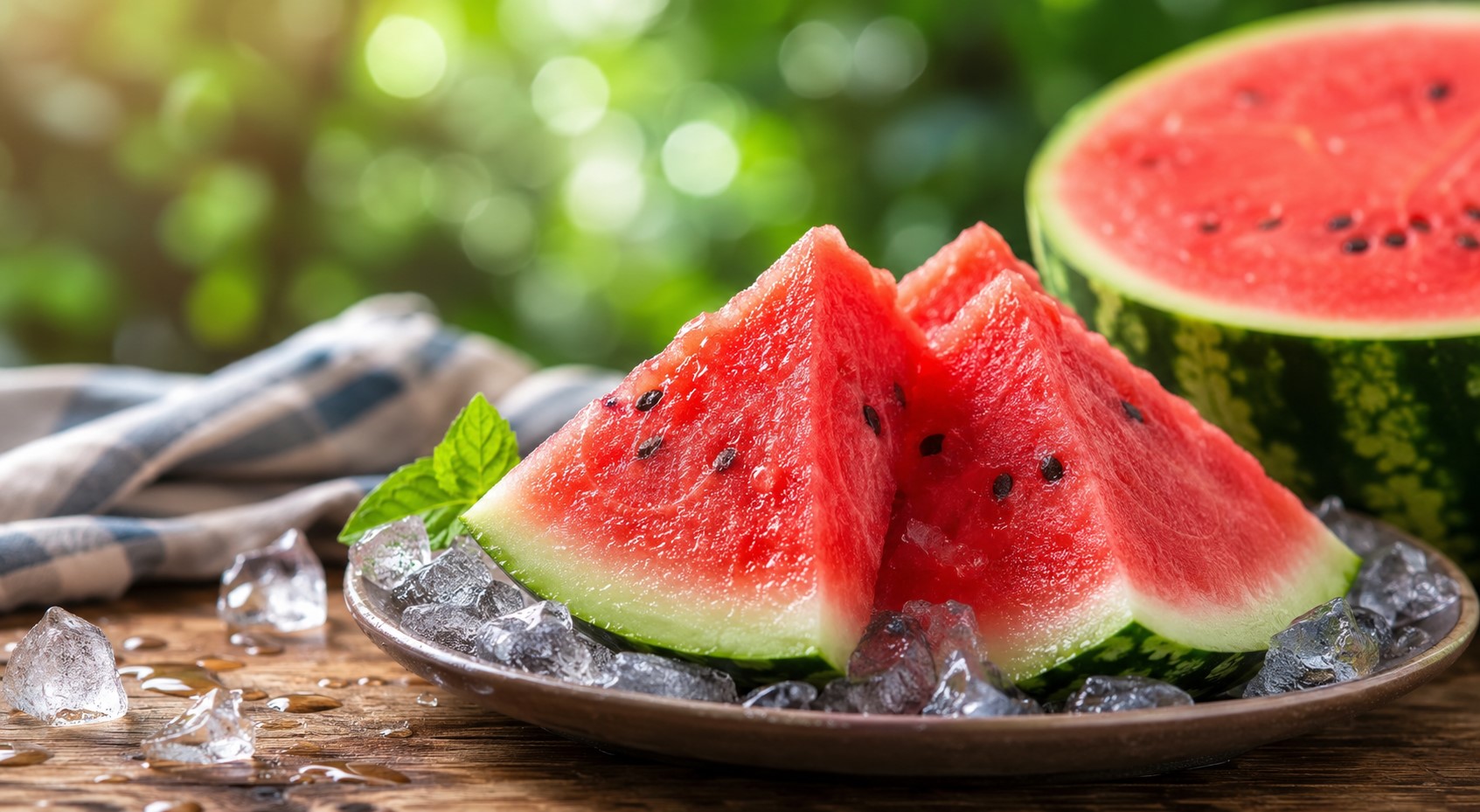
The experience of consuming a chilled slice of watermelon on a hot day can be exceptionally satisfying. Many individuals report that watermelon tastes sweeter, juicier, and more refreshing when served cold rather than at room temperature. However, food scientists clarify that the sugar content in watermelon remains unchanged by refrigeration. The perceived differences in flavour arise primarily from the impact of temperature on how our taste buds respond to sweetness and other sensory experiences.

The Role of Temperature in Taste Perception

Watermelon is composed mainly of natural sugars, particularly fructose. While placing the fruit in a refrigerator does not enhance its sugar content, it does affect how sweetness is experienced. Experts suggest that the temperature influences taste receptors’ sensitivity, allowing sweet flavours to become more pronounced when the fruit is served cold. This change can result in a more enjoyable tasting experience for many consumers.

In addition to sweetness, watermelon has a significant water content, which contributes to its overall flavour profile. The cooling sensation provided by cold watermelon enhances its appeal, especially during warm months. This refreshing quality can elevate the enjoyment of the fruit, making it feel even more flavourful and satisfying.

Moreover, the interplay of aroma and flavour is crucial in how fruits are perceived. Research indicates that aroma compounds significantly impact flavour experience. Watermelon contains numerous aromatic compounds that create its distinct taste. Thus, chilling the fruit can affect both the delivery of its flavour and the overall experience of eating it.

Individual Preferences and Storage Impact

Taste preferences vary from person to person. While many individuals delight in chilled watermelon, others may prefer it nearer to room temperature. Studies involving melons indicate that very cold temperatures can sometimes inhibit certain aroma compounds that contribute to the fruit’s flavour. Consequently, the optimal serving temperature for watermelon can depend on individual tastes and the desired flavour profile.

In summary, while chilling watermelon does not increase its sugar content, it significantly alters the way sweetness, texture, and flavour are experienced. The cooling effect adds to its appeal, solidifying chilled watermelon as a preferred summer fruit for many across the globe.

This exploration of the science behind watermelon serves to enrich the appreciation of the fruit, highlighting how the enjoyment of food can often be influenced by various sensory factors intertwined with temperature.

Long or Short, get news the way you like. No ads. No redirections. Download Newspin and Stay Alert, The CSR Journal Mobile app, for fast, crisp, clean updates!

App Store –  https://apps.apple.com/in/app/newspin/id6746449540 

Google Play Store – https://play.google.com/store/apps/details?id=com.inventifweb.newspin&pcampaignid=web_share

Latest News

Popular Videos
