


Vat Savitri Vrat 2026: Essential Guide for First-Time Observers
The CSR Journal Magazine

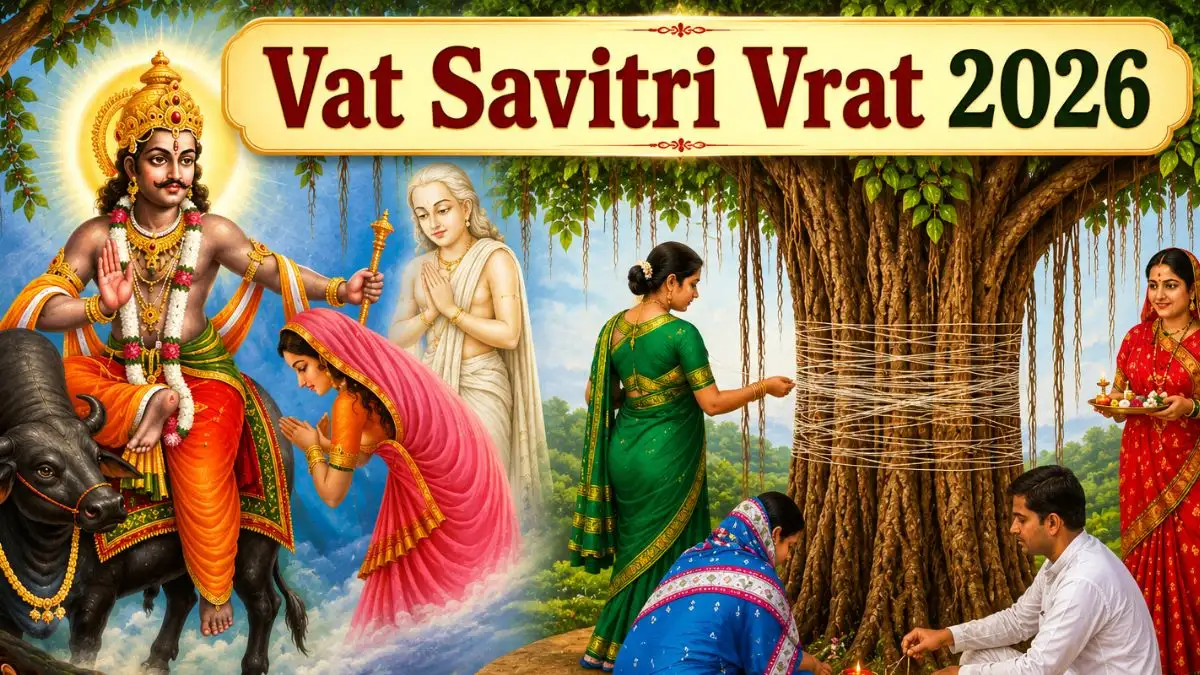
Vat Savitri Vrat is an important fasting observance primarily followed by married Hindu women in various regions of North and Western India. The fast is dedicated to the welfare, longevity, and prosperity of their husbands. This custom is steeped in the narrative of Savitri and Satyavan, which highlights Savitri’s unwavering dedication that enables her to reclaim her husband from the clutches of death.

In 2026, the observance of Vat Savitri Vrat is set for Monday, May 18, as per the Amanta calendar, which is prevalent in numerous states. Conversely, in areas adhering to the Purnimanta calendar, the vrat may be observed on June 1, 2026. Married women are advised to adhere to the date aligned with their familial or regional practices. This vrat takes place during the month of Jyeshtha and prominently features the worship of the banyan tree, also referred to as the Vat tree, which signifies longevity and stability in Hindu beliefs.

Rules and Procedural Guidelines for Observers

Those participating in Vat Savitri Vrat typically commence their day at dawn, followed by a cleansing bath and the donning of traditional attire, often in shades of red or yellow. It is customary for married women to apply sindoor and wear bangles and other symbols of marital status prior to commencing the puja rituals. While many women observe a nirjala fast, abstaining from both food and water until the puja is completed, those undertaking the fast for the first time, older women, or those with health issues have the option of opting for a milder version that permits fruits and water.

It is crucial for observers to maintain a serene mindset, steer clear of disputes, and concentrate on their prayers throughout the duration of the fast. An integral component of the observance includes listening to or reading the Savitri-Satyavan katha, which recounts the story and virtues associated with the fast.

Step-by-Step Instructions for Performing the Puja

The initiation of the puja process requires the cleaning of the worship area and the preparation of offerings ahead of the rituals. The banyan tree is commonly worshipped either at a temple or in a nearby public space. Standard practices include offering water, flowers, fruits, and roli to the banyan tree to honour it.

Following the offerings, a diya and incense sticks are lit, and participants tie a sacred thread around the tree while circling it seven times. They then invoke prayers for their husband’s well-being and family prosperity. Reading or listening to the Vat Savitri Vrat katha marks a key part of this act of devotion.

To conclude the rituals, participants offer sweets and perform the aarti, a ceremonial light offering. Many women also seek blessings from their elders after the puja is finalised, solidifying the communal and familial aspects of this cherished observance.

Long or Short, get news the way you like. No ads. No redirections. Download Newspin and Stay Alert, The CSR Journal Mobile app, for fast, crisp, clean updates!

App Store –  https://apps.apple.com/in/app/newspin/id6746449540 

Google Play Store – https://play.google.com/store/apps/details?id=com.inventifweb.newspin&pcampaignid=web_share

Latest News

Popular Videos
