


UNESCO Adds Brazil’s Amazonia Theaters to World Heritage List
The CSR Journal Magazine

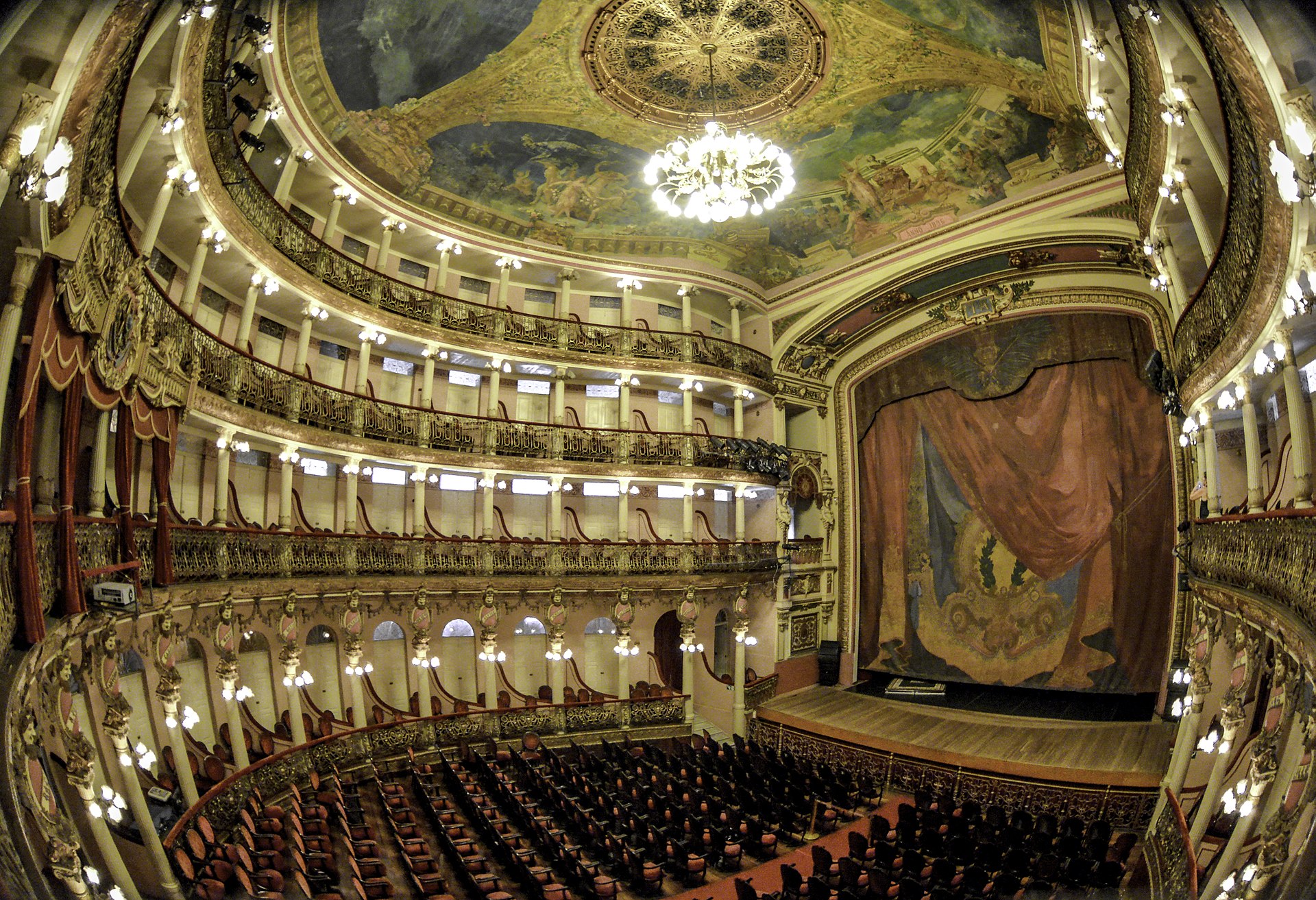
UNESCO has officially recognised two historic theatres located in Brazil’s Amazon region by adding them to its World Heritage List. This announcement was made during the ongoing World Heritage Committee meeting in Busan, South Korea. The theatres, known collectively as the Amazonia Theaters, comprise Theatro da Paz in Belém, Pará, and Teatro Amazonas in Manaus, Amazonas.

These 19th-century theatres were constructed during the prosperous rubber boom era and represent a blend of European architectural styles with local materials and cultural symbols. UNESCO has characterised these theatres as significant “symbols of political and urban ambition,” reflecting both the artistic aspirations and the rapid urban growth of their respective regions.

Theatro da Paz, which opened its doors in 1878, exemplifies Belém’s emergence as a prominent port city. In contrast, Teatro Amazonas, inaugurated in 1896, symbolises the swift urbanisation of Manaus amid the rubber industry’s boom. Both theatres were nominated for inclusion on the World Heritage List because they embody a shared historical period and represent an initiative to modernise the Amazon region while integrating it into global commercial and cultural frameworks.

Architectural Significance

The Brazilian government has described the architectural features of the two theatres as a unique fusion of influenced styles and local craftsmanship. They integrate imported materials with native woods and motifs inspired by the Amazon rainforest. This creates an aesthetic that is at once cosmopolitan and distinctly rooted in the Amazonian context.

The UNESCO World Heritage designation is regarded as prestigious. Each year, the committee identifies sites deemed to possess “outstanding value to humanity.” The World Heritage List includes globally recognised landmarks such as the Great Wall of China and the Taj Mahal in India. Inclusion on the list not only enhances tourism potential but also affords the sites a level of protection from potential threats.

This year, the committee’s assembly in Busan has already resulted in the addition of other notable sites including France’s D-Day landing beaches and Greece’s Mount Olympus. With the inclusion of the Amazonia Theaters, Brazil now boasts a total of 26 sites inscribed on the UNESCO World Heritage List, representing a diverse array of cultural and natural heritage across the country.

A Closer Look at the Amazon Region

The Amazon region is also home to the Central Amazon Conservation Complex, a significant protected area located at the confluence of the Negro and Solimões rivers in Amazonas state. According to UNESCO, this complex harbours a variety of Amazonian ecosystems, including both upland forests and seasonally flooded lowland forests. It is known for its rich biodiversity.

The recent addition of the Amazonia Theaters to the World Heritage List not only highlights the cultural history of Brazil but also underscores the legacy of the rubber boom era in the region. This complex historical narrative contributes to understanding Brazil’s path towards modernisation and the role of its cities within the broader context of global trade and cultural exchange.

In summary, the inclusion of these theatres on the UNESCO list serves to recognise both their architectural and cultural value, marking an important milestone in the preservation of Brazil’s heritage. The announcement has been met with approval from various quarters in Brazil, reflecting the significance of such recognitions in fostering awareness about the country’s historical contributions.

Long or Short, get news the way you like. No ads. No redirections. Download Newspin and Stay Alert, The CSR Journal Mobile app, for fast, crisp, clean updates!

App Store –  https://apps.apple.com/in/app/newspin/id6746449540 

Google Play Store – https://play.google.com/store/apps/details?id=com.inventifweb.newspin&pcampaignid=web_share

Latest News

Popular Videos
