


Indonesia Earthquake Death Toll Reaches 53 Amid Rescue Efforts Struggles
The CSR Journal Magazine

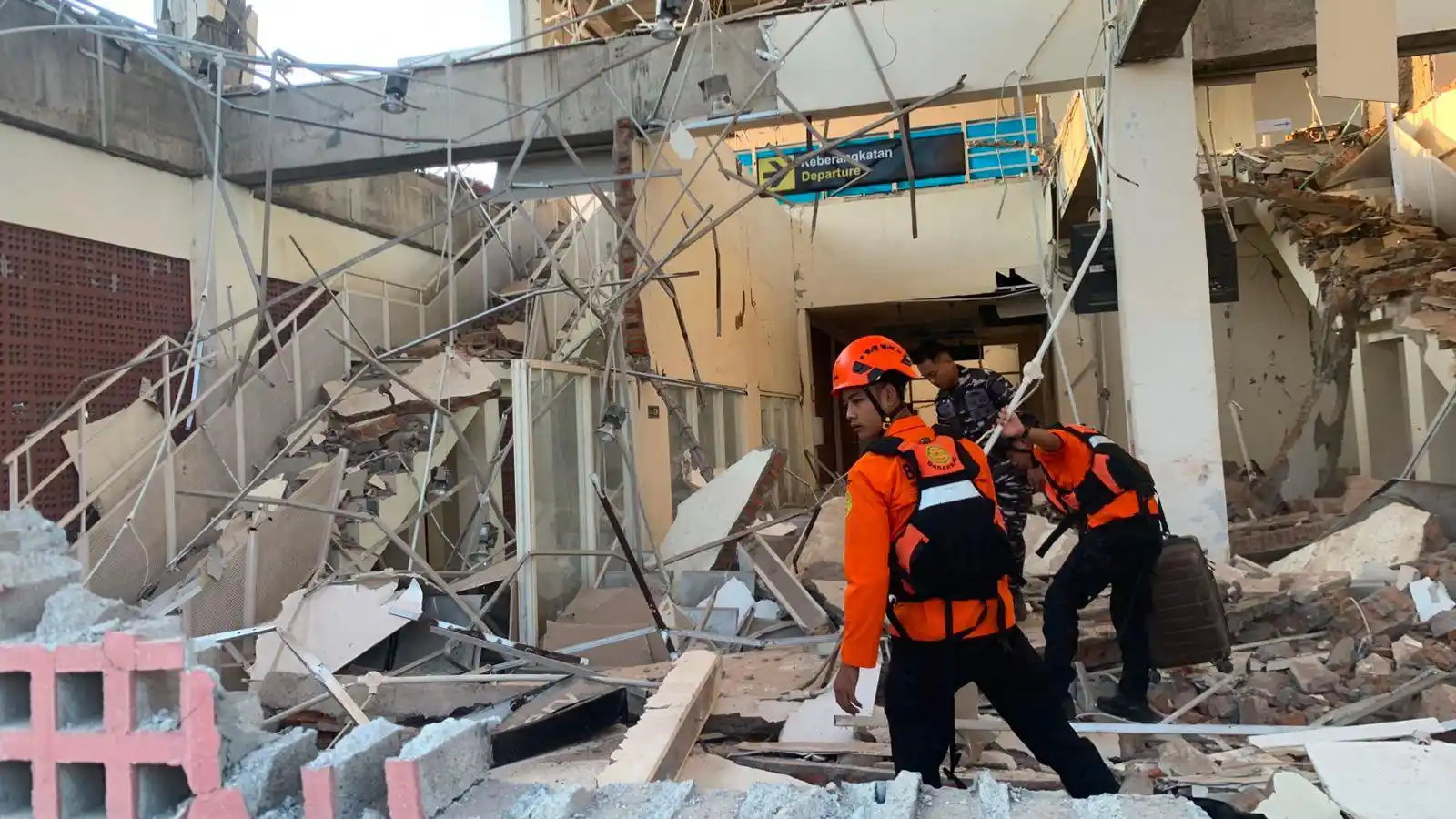
The recent 7.7-magnitude earthquake in eastern Indonesia has led to a rising death toll, now confirmed at 53. Rescue teams have reportedly recovered six additional bodies as search efforts persist across the affected regions of Flores. Many survivors chose to spend the night outdoors, fearing potential aftershocks. The disaster has created significant challenges, particularly due to landslides and damaged infrastructure, which hinder access to some of the worst-hit areas.

Authorities confirmed that over 900 homes were destroyed and an additional 450 were damaged in the East Nusa Tenggara province. Approximately 5,000 individuals have been compelled to seek refuge in temporary shelters. Following the earthquake, local panic escalated further when tsunami warnings were issued, though these were subsequently retracted.

Search teams have concentrated their efforts on three regencies—Manggarai, East Manggarai, and Nagekeo—where access has been particularly difficult. Fathur Rahman, head of the search-and-rescue office in Maumere, noted that while many landslides have now been cleared and roads reopened, ongoing communication disruptions and power outages are proving to be significant obstacles.

Aftershocks Raise Concerns Among Residents

The earthquake struck at approximately 6 am local time on Saturday at a depth of 10 km, as reported by the US Geological Survey. Since then, the National Disaster Management Agency has recorded nearly 995 aftershocks, with 46 of these tremors being felt by local residents. Reports indicate that 135 individuals sustained injuries, and at least 241 homes were damaged solely in the Flores region.

Landslides also obstructed segments of the approximately 700-km Trans-Flores Highway, a major route connecting communities across the mountainous island. The blocked roads added another layer of complexity to recovery efforts, both for rescue teams and humanitarian aid workers.

Challenges in Delivering Aid and Resources

In response to the urgent needs of those affected, relief workers have begun the distribution of essential resources such as rice, ready-to-eat meals, clean drinking water, blankets, and medical supplies. Authorities are working swiftly to establish emergency shelters for those who have been displaced by the disaster.

One of the foremost challenges faced by authorities is the restoration of electricity and communication systems, particularly in remote villages that have been isolated due to landslides. These efforts are critical for effective coordination of ongoing rescue and relief operations. Indonesia’s geographical position on the Pacific “Ring of Fire” makes it particularly susceptible to earthquakes and volcanic activity.

Historically, Flores has experienced some of Indonesia’s deadliest natural disasters, including a tragic earthquake and tsunami in 1992 that claimed around 2,500 lives. Other major seismic events in the region include the 2018 Sulawesi earthquake and tsunami that resulted in over 4,400 fatalities and the 2004 Sumatra earthquake that triggered a tsunami causing around 230,000 deaths across a dozen nations. The current earthquake has underscored the vulnerabilities that persist in this region.

Long or Short, get news the way you like. No ads. No redirections. Download Newspin and Stay Alert, The CSR Journal Mobile app, for fast, crisp, clean updates!

App Store –  https://apps.apple.com/in/app/newspin/id6746449540 

Google Play Store – https://play.google.com/store/apps/details?id=com.inventifweb.newspin&pcampaignid=web_share

Latest News

Popular Videos
