Understanding Why Mirrors Flip Images

The CSR Journal Magazine

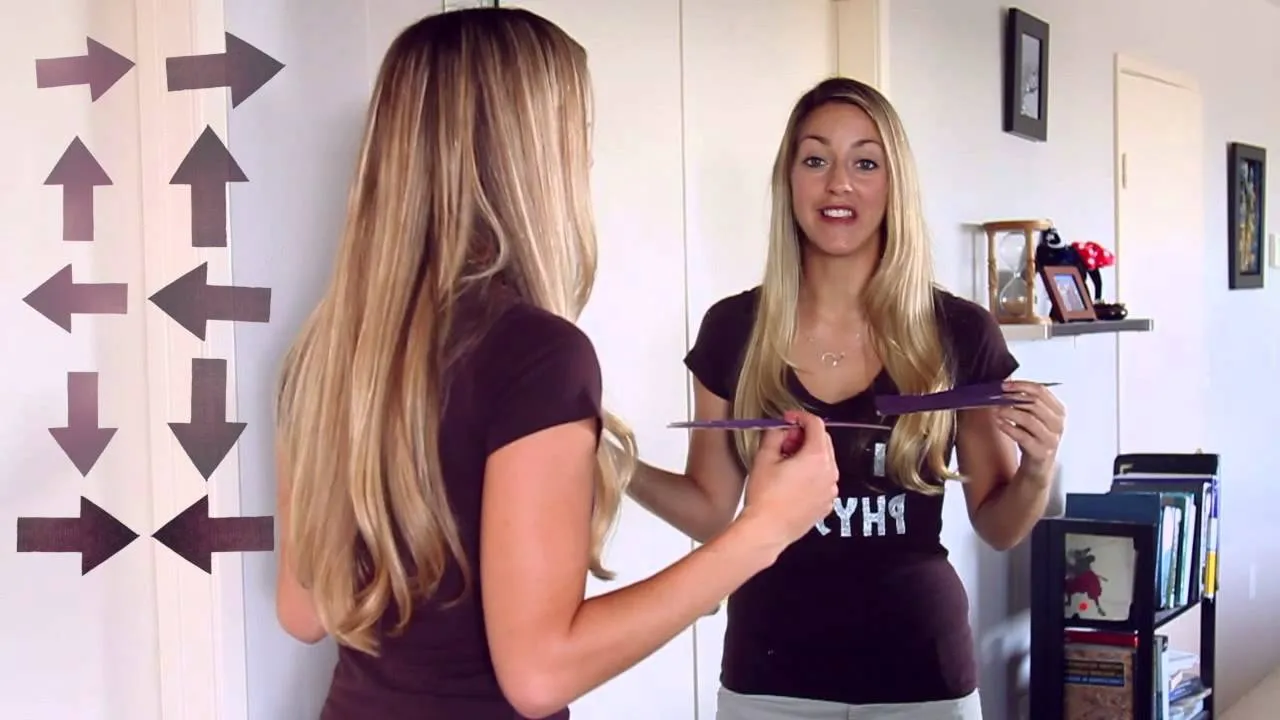
The phenomenon of standing in front of a mirror reveals an intriguing interaction between perception and physics. When an individual raises their right hand, the reflection appears to raise its left. This perplexity extends to simple actions, such as winking or holding up objects, leading to a common misunderstanding regarding the behaviour of mirrors.

For centuries, this puzzling observation has captivated thinkers from philosophers to scientists. It has inspired works of literature, including Lewis Carroll’s writings. Yet, despite extensive contemplation, many people struggle to articulate the underlying principles of reflection without confusion.

The critical takeaway is that mirrors do not actually flip images in the conventional sense. Rather, the change perceived is a result of how the brain processes the reflection. Mirrors operate under the fundamental law of reflection, which dictates that light bounces back in the direction it arrived from.

The Mechanics of Mirrors

It is essential to understand that a mirror’s primary function is simply to reflect light. When light from an object strikes a mirror, it returns along the same path, analogous to throwing a tennis ball against a wall. This principle is known as the law of reflection and is consistent across all reflective surfaces.

When light hits a mirror at a specific angle, it exits at the same angle, meaning there is no magical flipping. The reflection observed is merely the result of light bouncing off the mirror. This clear-cut mechanism reveals that the mirror does not perform any reversal, merely returning light to its source.

An examination of why directions appear reversed in reflections uncovers an interesting aspect. The mirror does not swap left and right but flips what is termed front and back. When facing the mirror, for example, your nose points towards the glass, and in your reflection, it points back at you. Consequently, the impression of a left-right shift is a construct of the mind, influenced by the viewer’s spatial awareness.

The Role of Perception in Reflection

This cognitive interpretation is pivotal in creating the apparent misunderstanding of what mirrors do. When an individual raises their right hand, the reflection corresponds with a hand on the same side of the mirror. The confusion arises because the brain symbolically imagines the need to rotate to engage with a real person. That mental rotation engenders the perception of left and right becoming reversed.

The phenomenon is further illustrated through a simple experiment: writing “HELLO” on paper and facing a mirror results in a mirrored reflection, but when the paper is transparent and held directly towards oneself, the text appears correctly, as it does not involve the mental flipping process.

Additionally, smartphones employ similar reflective properties in their front cameras, resembling mirror reflections. When engaged, these devices display an altered version of the user, allowing comfortable posing. However, the actual captured image may flip the view back to its true orientation, leading to further confusion when reviewing selfies from various applications.

Ultimately, mirrors maintain fixed orientations regarding top and bottom, remaining consistent as individuals stand upright while facing them. Thus, the mirror merely reflects the spatial arrangement without any alteration in verticality. The notion that mirrors reverse images sideways is predominantly a result of visual perception rather than physical mechanics.

Long or Short, get news the way you like. No ads. No redirections. Download Newspin and Stay Alert, The CSR Journal Mobile app, for fast, crisp, clean updates!

App Store –  https://apps.apple.com/in/app/newspin/id6746449540 

Google Play Store – https://play.google.com/store/apps/details?id=com.inventifweb.newspin&pcampaignid=web_share

Latest News

Popular Videos