


UAE Set to Store Up to 30 Million Barrels in India’s Oil Reserves
The CSR Journal Magazine

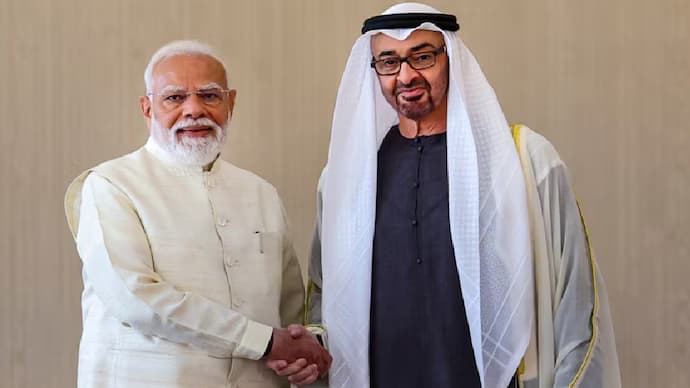
Following Prime Minister Narendra Modi’s recent visit to Abu Dhabi, India and the United Arab Emirates (UAE) have established a significant energy collaboration. The UAE is poised to store up to 30 million barrels of crude oil in India’s Strategic Petroleum Reserve, a move aimed at enhancing energy security for both nations. The agreement was officially announced by the Ministry of External Affairs (MEA) on Friday.

The discussions, which took place between Prime Minister Modi and UAE President Sheikh Mohamed bin Zayed Al Nahyan, underscored the necessity of maintaining safe transit and uninterrupted navigation through the Strait of Hormuz amidst increasing regional tensions.

The MEA noted that both leaders celebrated the conclusion of a Strategic Collaboration Agreement between Indian Strategic Petroleum Reserves Limited and Abu Dhabi National Oil Company (ADNOC) to facilitate the UAE’s involvement in storing crude oil in India. This partnership signifies a key enhancement of energy security at a pivotal time for global crude supplies.

Broader Energy Initiatives and Agreements

In addition to the oil storage agreement, the two nations have agreed to collaborate on establishing strategic gas reserves within India. A separate agreement between Indian Oil Corporation and ADNOC has also been welcomed for long-term supply of Liquefied Petroleum Gas (LPG). This comprehensive approach to energy security highlights the growing interdependence between the two countries in the energy sector.

The MEA characterised the UAE as a vital partner in bolstering India’s energy framework, emphasising that both sides are eager to explore new avenues for comprehensive energy collaboration. This includes not only crude oil but also Liquefied Natural Gas (LNG) and LPG, underlining the extensive engagement in the energy segment.

Furthermore, during the visit, Prime Minister Modi and President Al Nahyan discussed additional investment opportunities, resulting in an announcement of $5 billion in UAE investments across various sectors in India. This includes banking, infrastructure, and finance, signifying a broadening of the economic relationship between the countries.

Geopolitical Context and Regional Stability

The visit occurs against a backdrop of increasing geopolitical tensions in West Asia, coupled with ongoing fluctuations in global energy markets. Prime Minister Modi took the opportunity during discussions to express India’s firm condemnation of attacks on the UAE, reiterating solidarity with Emirati leadership and its populace.

The strategic dialogue also encompassed concerns regarding potential disruptions in critical shipping lanes, notably the Strait of Hormuz, which is pivotal for oil transportation. The leaders highlighted the necessity of ensuring regional stability, secure trade routes, and fostering stronger economic cooperation.

As tensions and volatility in energy markets continue, the strengthened ties between India and the UAE may play a significant role in enhancing both nations’ resilience against challenges in the energy sector. The progress in agreements reflects a mutual commitment to not only support each other but also contribute to stability in a volatile region.

Long or Short, get news the way you like. No ads. No redirections. Download Newspin and Stay Alert, The CSR Journal Mobile app, for fast, crisp, clean updates!

App Store –  https://apps.apple.com/in/app/newspin/id6746449540 

Google Play Store – https://play.google.com/store/apps/details?id=com.inventifweb.newspin&pcampaignid=web_share

Latest News

Popular Videos
