


Trump and Iran Exchange Threats as Tensions Rise Over Hormuz
The CSR Journal Magazine

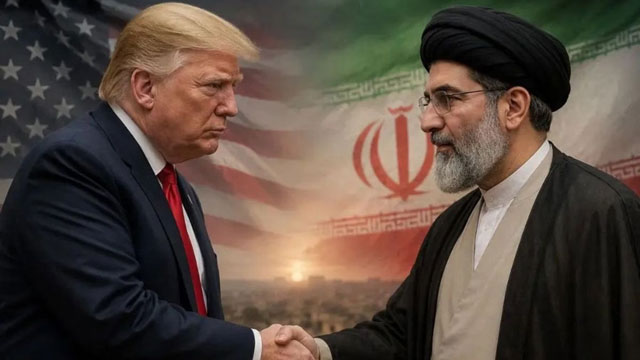
The relationship between the United States and Iran has further deteriorated, as President Donald Trump and Iranian leaders exchanged threats on Saturday. This escalation comes at a time when discussions aimed at establishing a ceasefire in the Middle East appear to be unraveling. Central to these tensions is the strategically significant Strait of Hormuz.

The United States is demanding that Iran publicly confirm the safety of maritime shipping in the strait, while Iran maintains its stance of controlling the waterway. Amid these conflicting views, Iranian Foreign Minister Abbas Araghchi travelled to Oman for negotiations, just a day after Qatari mediators visited Tehran. Despite these diplomatic efforts, both sides have hardened their positions regarding shipping rights and Iran’s nuclear ambitions.

Escalating Warnings and Military Readiness

As tensions mounted, President Trump took to social media, issuing a series of alarming statements. He urged Iran to confirm that vessels would not be attacked while transiting the Strait of Hormuz. This public demand follows recent funeral ceremonies for Ayatollah Ali Khamenei, during which attendees openly called for threats against Trump. In a subsequent statement, Iranian Supreme Leader Mojtaba Khamenei has vowed to pursue retribution for his father’s death, labelling it a national priority.

Trump’s remarks suggested a readiness for military action, declaring that a significant number of missiles are prepared should Iran act on its threats. He reaffirmed that the ceasefire declared previously was effectively over, yet negotiations are still ongoing. The situation intensified following a series of US airstrikes on Iranian targets, which were reportedly prompted by Iran’s earlier attacks on ships in the region.

Iran has rejected US expectations regarding the Strait of Hormuz, insisting on its right to control the route and charge fees for its use. This refusal underscores the deepening divide between the two nations, especially in the wake of military actions that have escalated conflicts in the region.

Ongoing Diplomacy and Future of Nuclear Deal

Despite the rising tensions, diplomatic efforts continue. On Saturday, Araghchi met with Omani officials, who are acting as intermediaries in the ongoing negotiations. The Turkish Foreign Minister has expressed optimism that a resolution could be found, although the efforts remain hampered by the unresolved issues surrounding the Strait and Iran’s nuclear programme.

US officials have indicated that they believe the latest strikes were executed by a faction within Iran that opposed the cessation of hostilities. Nevertheless, Iran insists that it is unified under its new leadership. Discussions have now centred around the prospect of a potential nuclear deal, with the US reportedly demanding that Iran disclose its stockpile of highly enriched uranium before any agreements can be considered.

The situation remains delicate, with both sides adopting an increasingly combative stance. While continued diplomacy offers a glimmer of hope for resolution, significant obstacles remain, particularly in relation to shipping security in the strategically vital Strait of Hormuz and the future of Iran’s nuclear capabilities. The world watches closely as developments unfold in this critical geopolitical landscape.

Long or Short, get news the way you like. No ads. No redirections. Download Newspin and Stay Alert, The CSR Journal Mobile app, for fast, crisp, clean updates!

App Store –  https://apps.apple.com/in/app/newspin/id6746449540 

Google Play Store – https://play.google.com/store/apps/details?id=com.inventifweb.newspin&pcampaignid=web_share

Latest News

Popular Videos
