


Trump Agrees to Delay Iran Attacks If Strait of Hormuz Reopens
The CSR Journal Magazine

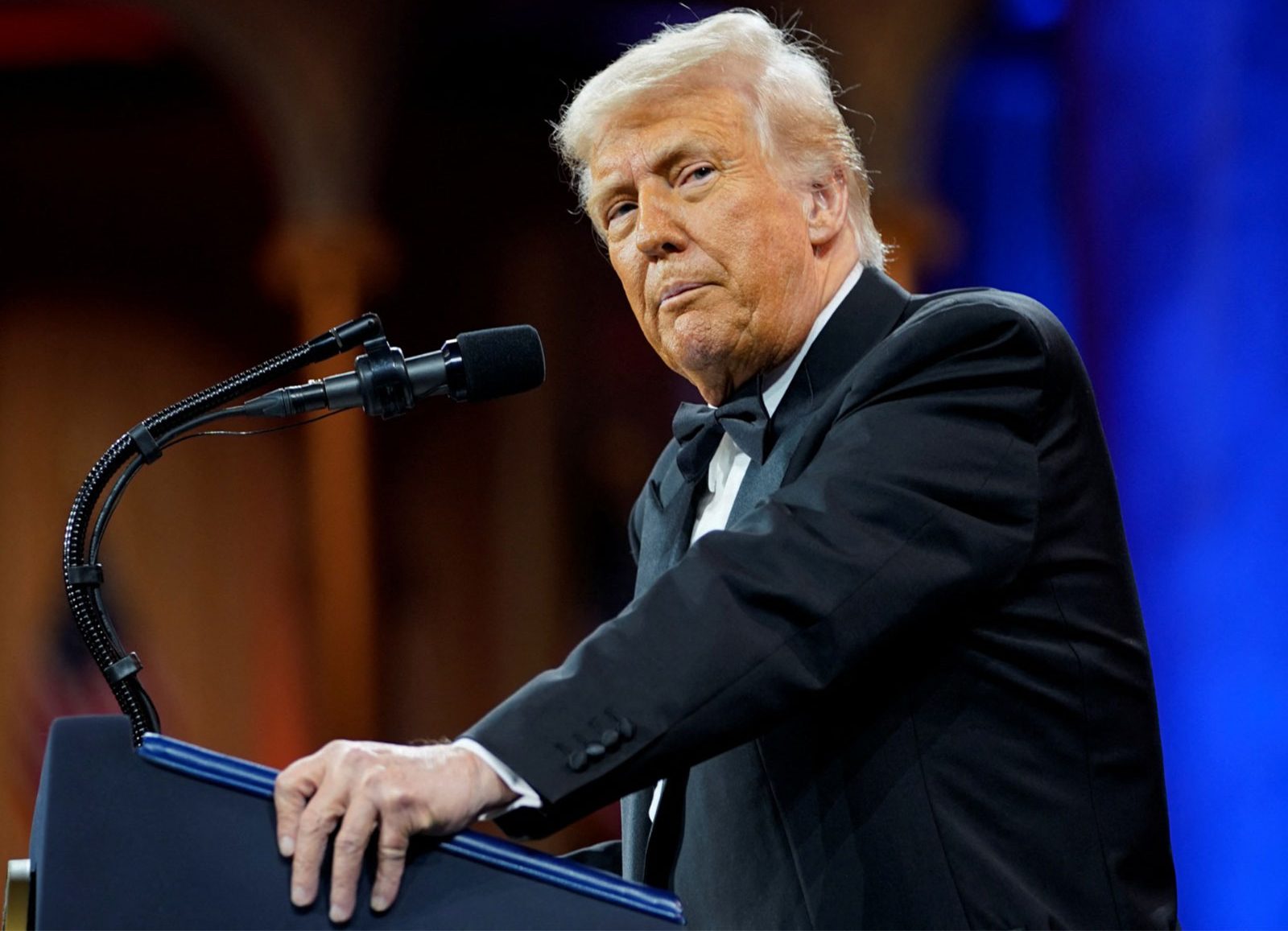
US President Donald Trump has revealed that he is willing to postpone planned strikes against Iran for a period of two weeks, contingent upon the immediate reopening of the Strait of Hormuz. This statement was made via a post on his Truth Social platform and indicates a significant shift in his previously confirmed military stance.

The announcement came shortly after Trump had allegedly signalled that Iran would encounter substantial military action targeting its civilian infrastructure. This abrupt change highlights the complexities of the ongoing tensions between the US and Iran.

Background on the Strait of Hormuz

The Strait of Hormuz is a strategically vital waterway located at the entrance to the Persian Gulf, facilitating the transport of a significant portion of the world’s oil supplies. Approximately one-fifth of the global petroleum consumption passes through this narrow strait, making its control crucial for international trade and energy security.

In recent months, geopolitical tensions have escalated in the region, with various nations expressing concerns over safe passage through the strait. The potential reopening is seen as a critical factor that could de-escalate hostilities, at least temporarily, between the US and Iran.

Trump’s conditional agreement echoes the international community’s apprehensions regarding maritime security and the implications of military actions in the Middle East. Previously imposed sanctions and military presence in the region have further heightened these concerns.

Reactions from Political Leaders

Political leaders and analysts from various nations have reacted to Trump’s announcement with a mix of cautious optimism and skepticism. Many are examining the potential consequences of such a delay on both regional stability and global oil markets. Experts suggest that the decision reflects not only the pressure from domestic opinion but also international diplomatic efforts seeking to avert conflict.

Iranian officials have yet to publicly respond to Trump’s proposal, but their stance on the pressure to reopen the Strait of Hormuz is likely to play a vital role in subsequent developments. Analysts believe that Iran’s response may also be shaped by broader regional dynamics and its own strategic interests.

In Congress, some members have voiced concerns regarding the potential ramifications of an attack on Iranian soil. They argue that military engagement could escalate tensions, further complicating diplomatic relations. The established political discourse in the US indicates an increasing call for alternatives to military action in favour of diplomatic resolutions.

Conclusion and Implications for Future Relations

Trump’s proposal for a temporary halt on military actions against Iran represents a pivotal moment in US-Iran relations. By tying this pause to the reopening of a strategic maritime route, it suggests a willingness to negotiate under specific conditions, although the effectiveness of this approach remains to be seen.

The implications of this development could extend beyond immediate military considerations, impacting international policies and economic conditions as well. Oil markets are particularly sensitive to changes in the stability of the Strait of Hormuz, and fluctuations may occur as a reaction to ongoing negotiations.

As the world watches these unfolding events, the potential for both conflict and diplomatic progress remains. The next two weeks may be critical in determining the pathway for relations between the United States and Iran and the broader geopolitical landscape of the Middle East.

Long or Short, get news the way you like. No ads. No redirections. Download Newspin and Stay Alert, The CSR Journal Mobile app, for fast, crisp, clean updates!

App Store –  https://apps.apple.com/in/app/newspin/id6746449540 

Google Play Store – https://play.google.com/store/apps/details?id=com.inventifweb.newspin&pcampaignid=web_share

Latest News

Popular Videos
