


Tragedy in Andaman Sea: 250 Feared Dead Following Overcrowded Trawler Capsizing
The CSR Journal Magazine

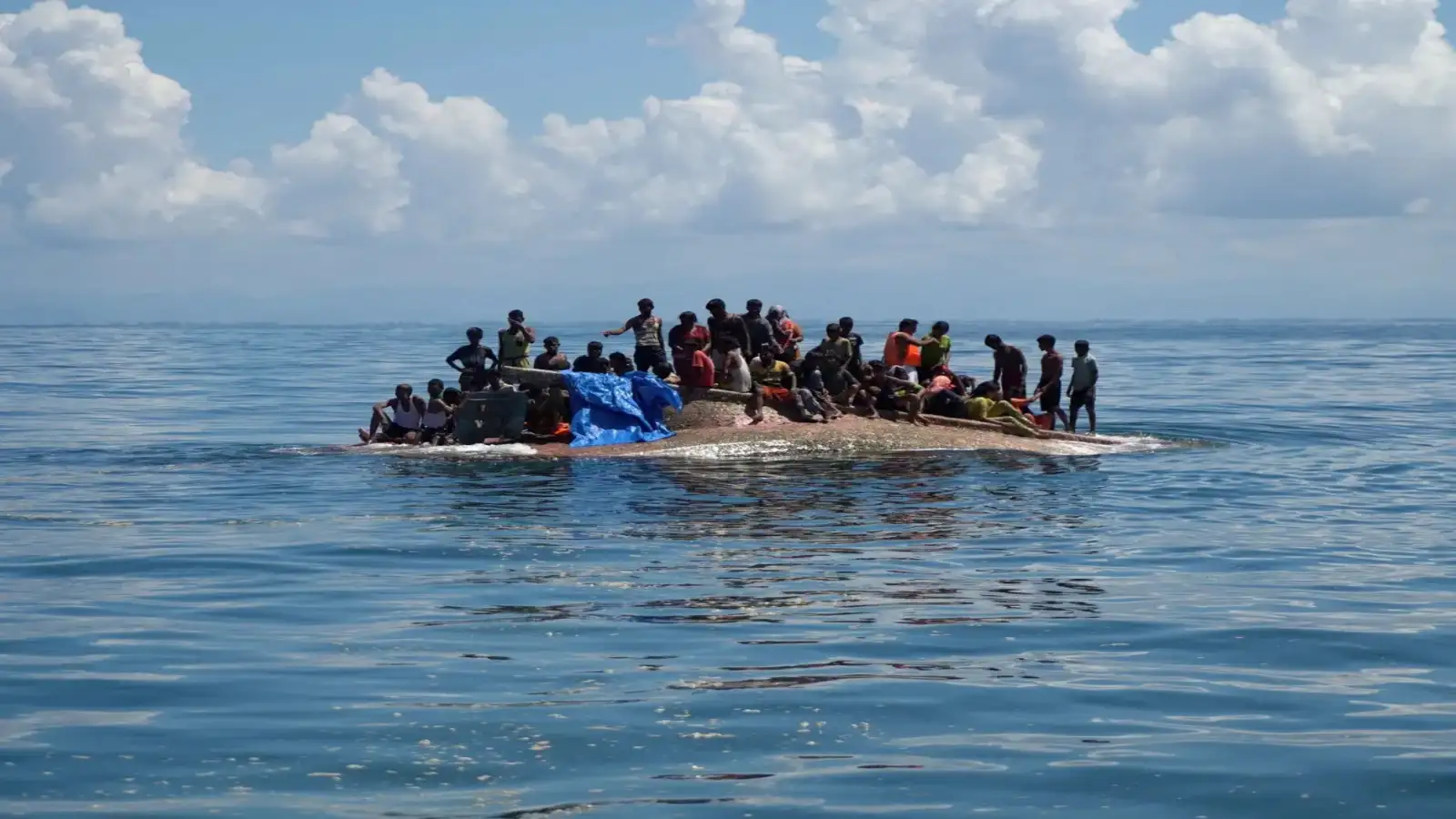
The recent capsizing of a trawler in the Andaman Sea has left approximately 250 individuals missing, presumed dead, as search and rescue operations continue. The vessel was reportedly overloaded with Rohingya refugees and Bangladeshi nationals when it overturned amid challenging weather conditions on April 15, 2023. The trawler had departed from Teknaf in southern Bangladesh and was en route to Malaysia prior to the disaster occurring.

The United Nations High Commissioner for Refugees (UNHCR) and the International Organisation for Migration (IOM) released a statement expressing profound sadness regarding the situation. This incident coincides with the Bengali New Year, a time traditionally marked by celebrations, adding to the tragedy of the event.

According to sources, the capsizing is believed to have been exacerbated by strong winds and severe overcrowding, which have made maritime journeys increasingly perilous. The situation has drawn attention to the risks associated with desperate sea crossings undertaken by refugees seeking safety and better opportunities abroad.

Current Search and Rescue Efforts

In response to the capsizing, a substantial search and rescue operation has been deployed in the region. Authorities from both Bangladesh and neighbouring nations are reportedly coordinating efforts to locate any survivors and retrieve those who may have drowned. The ongoing operation highlights the urgent need for swift action to address the crisis.

UN agencies have highlighted that the missing individuals include families, women, and children, further underscoring the humanitarian implications of the tragedy. Despite repeated warnings regarding the extreme dangers of such sea journeys, many individuals continue to risk their lives on these treacherous routes.

Humanitarian organisations have called for immediate support for the displaced communities affected by this incident. The tragic event serves as a stark reminder of the increasing frequency of such maritime disasters and the vulnerability of those undertaking perilous migrations.

Wider Context of the Rohingya Crisis

This tragic event is indicative of the broader Rohingya crisis, which escalated significantly following violence in Myanmar in 2017. Since then, hundreds of thousands of Rohingya individuals have sought refuge in Bangladesh, often living in overcrowded camps with limited access to resources and opportunities for sustainable livelihoods.

The UNHCR and IOM have pointed out that the lack of durable solutions for Rohingya refugees and ongoing violence in Rakhine State contribute to desperation among these displaced individuals. Many are compelled to undertake risky journeys across the sea, driven by the hope of better living conditions and employment prospects in foreign lands.

Human trafficking and smuggling networks exploit the vulnerabilities of these displaced people, making the maritime routes even more dangerous. Experts have warned that without urgent, coordinated international action, the loss of life at sea is likely to continue. The humanitarian situation remains critical, necessitating sustained attention from the global community to address the root causes of displacement.

Long or Short, get news the way you like. No ads. No redirections. Download Newspin and Stay Alert, The CSR Journal Mobile app, for fast, crisp, clean updates!

App Store –  https://apps.apple.com/in/app/newspin/id6746449540 

Google Play Store – https://play.google.com/store/apps/details?id=com.inventifweb.newspin&pcampaignid=web_share

Latest News

Popular Videos
