


Tensions Escalate in West Asia as Israel and Hezbollah Resume Hostilities
The CSR Journal Magazine

Renewed tensions in West Asia have been marked by recent escalations between Israel and Hezbollah. This surge in conflict follows claims made by US President Donald Trump that Washington is still in command of the crisis, even as he urged Israeli Prime Minister Benjamin Netanyahu to refrain from attacking Iran. Events have rapidly progressed, undermining perceptions of a ceasefire agreed upon just a week earlier.

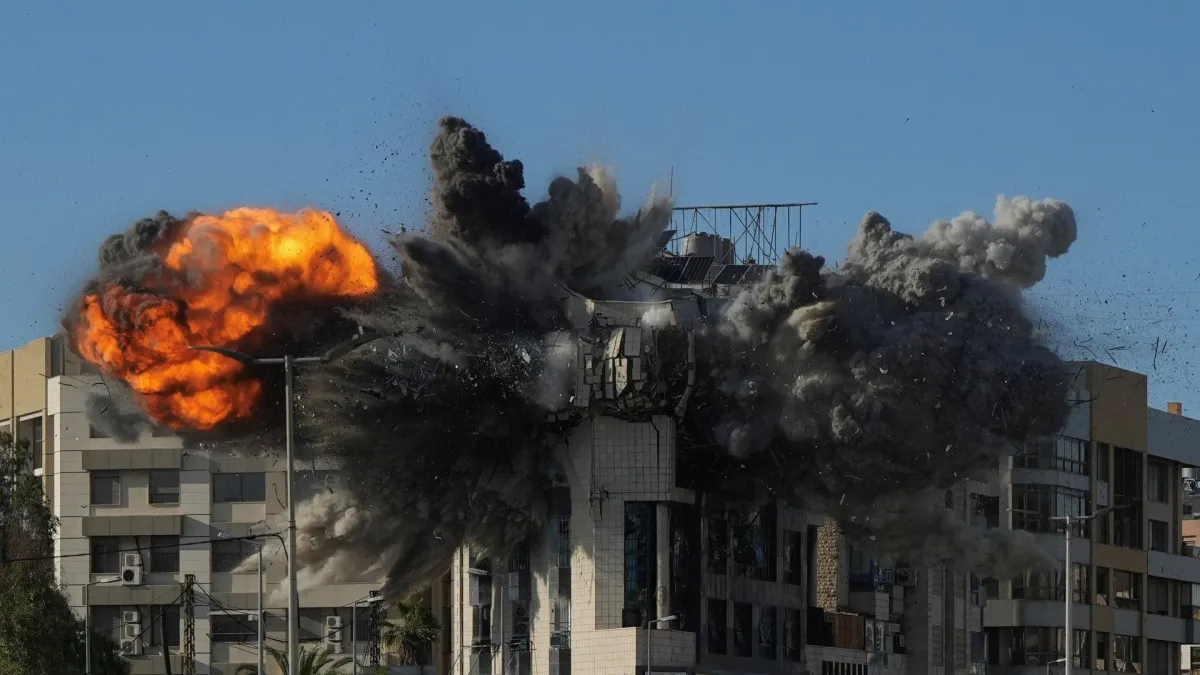
The situation escalated when Hezbollah targeted northern Israel, which included attacks near the Yiftach area. This marked the first offensive by Hezbollah since the supposed truce mediated by Trump. Israel responded with airstrikes on Hezbollah-affiliated locations in Beirut’s Dahiyeh district and southern Lebanon, indicating a return to hostilities.

The region, which had remained unstable, has now re-entered a phase of open confrontation, suggesting a persistent cycle of violence is unfolding again between the two groups.

Iran’s Involvement and Broader Regional Implications

The conflict’s dimensions expanded to involve both Iran and Israeli military forces. For the first time since 8 April, exchanges of fire were reported between Israeli and Iranian troops, raising concerns about the potential for a wider conflict. Iran’s Islamic Revolutionary Guard Corps claimed to have targeted essential installations in Israel, which included air bases crucial for Israeli defence capabilities.

Israeli sources reported interception of missiles launched from Iranian territory. Ongoing attacks prompted Israel to reportedly target multiple locations across Iran, responding to what officials described as a serious escalation involving up to thirty ballistic missiles aimed at various Israeli sites.

Strategically vital military installations in Israel and their capacities have entered a contentious zone, further complicating the unfolding crisis and suggesting a serious breach of what had been perceived as a stabilised front.

International Reactions and Future Outlook

Amidst these hostilities, the United States has maintained a stance hopeful for de-escalation. President Trump noted in recent comments that both Israel and Iran continue to seek a ceasefire, and negotiations appear to be progressing. However, the ongoing violence cast a shadow over these diplomatic efforts.

Iran’s military command also indicated a temporary halt to its military operations, although it warned against any continued conflict, particularly involving Hezbollah. This statement suggested a cautious approach, despite the underlying tensions that continue to strain regional dynamics.

Recent developments underline that the tension is not merely a consequence of isolated actions but reflects deeper regional strategies. Iran’s alignment with Hezbollah indicates a calculated risk in its broader engagement with Israel, while Israel remains focused on treating the situation involving Hezbollah as a distinct operational theatre. The next steps from all parties involved will thus be critical in determining whether a more extensive military conflict can be averted or if the region will spiral further into chaos.

Long or Short, get news the way you like. No ads. No redirections. Download Newspin and Stay Alert, The CSR Journal Mobile app, for fast, crisp, clean updates!

App Store –  https://apps.apple.com/in/app/newspin/id6746449540 

Google Play Store – https://play.google.com/store/apps/details?id=com.inventifweb.newspin&pcampaignid=web_share

Latest News

Popular Videos
