


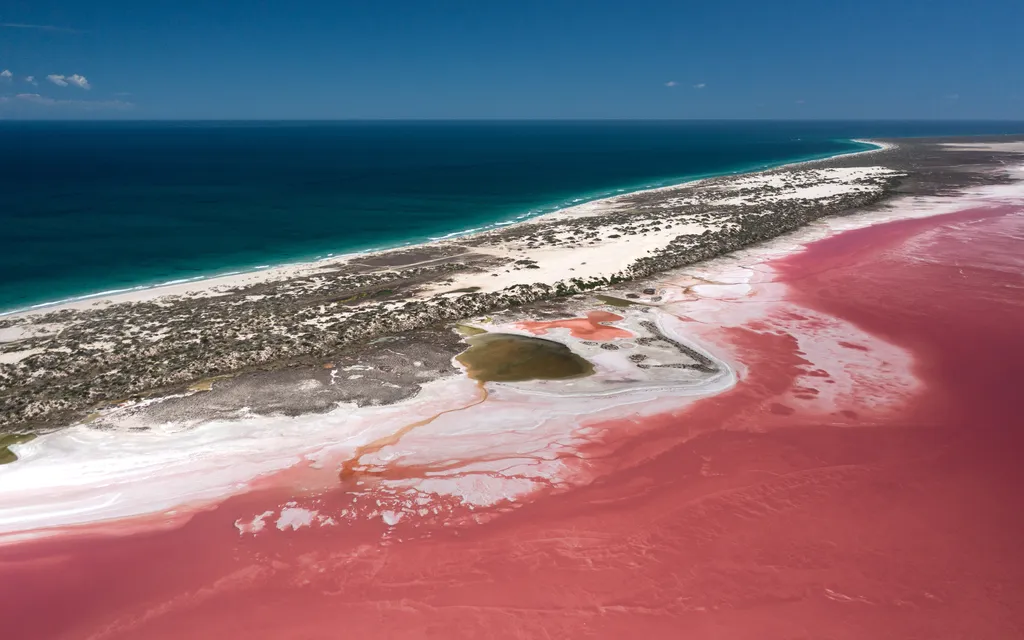

Ten Pink Lakes Found Worldwide

The CSR Journal Magazine

Ten pink lakes located across the globe have garnered attention due to their striking colours and unique characteristics. These lakes are often characterised by their vibrant hues, which are attributed to various natural phenomena. They attract numerous visitors and nature enthusiasts, who seek to experience their unusual beauty firsthand.

These lakes can be found in diverse locations, from Australia to Canada, showcasing the distinct environments they inhabit. Each lake holds its own charm, with differing shades of pink that vary depending on the time of day, weather, and surrounding landscape. Research into these lakes reveals fascinating insights into ecosystem dynamics and the biochemical reactions occurring in these aquatic environments.

The 10 famous pink lakes around the world and their locations:

  1. Lake Hillier

  2. Hutt Lagoon

  3. Lake Retba

  4. Las Coloradas

  5. Pink Lake

  6. Masazir Lake

  7. Dusty Rose Lake

  8. Laguna Colorada

  9. Torrevieja Pink Lake

  10. Lake Natron

Notable Pink Lakes

One of the most famous pink lakes is Lake Hillier in Australia, situated on Middle Island in the Recherche Archipelago. This lake is celebrated for its bright bubblegum pink colour, which remains intact even when the water is removed. Scientists believe that the colour is influenced by the presence of certain algae and bacteria that thrive in saline conditions.

Another significant pink body of water is the Pink Lake in Western Australia, known for changing shades based on the season and time of day. This lake is part of an extensive coastal ecosystem, providing a habitat for various bird species. Observations indicate the lake can shift from an intense pink to a softer hue, depending on environmental factors.

Salinas de Torrevieja in Spain is also noteworthy, recognised for its expansive salt flats that contribute to its pinkish hue. These salt flats are not only a popular tourist destination but also serve as a vital resource for the local salt industry. The combination of high salinity and specific microorganisms contributes to the lake’s distinctive colour.

Scientific Insights and Importance

The colouration of pink lakes has intrigued scientists, leading to research that delves into the ecological balance within these environments. The pigments produced by algae, particularly carotenoids, play a crucial role in this aspect. These pigments can vary significantly among species, resulting in the diverse colours observed in different lakes.

Moreover, the unique properties of pink lakes make them essential for understanding climate change and saltwater ecology. Studies have shown that these bodies of water serve as indicators of environmental shifts, providing insights into the health of ecosystems. Protecting these lakes is crucial to maintaining biodiversity and ensuring the sustainability of their surrounding habitats.

Conservation efforts are underway in various locations to safeguard these unique ecosystems from human activities and environmental changes. Initiatives aim to balance tourism with ecological preservation, ensuring that visitors can enjoy the lakes while also helping to maintain their integrity for future generations.

Long or Short, get news the way you like. No ads. No redirections. Download Newspin and Stay Alert, The CSR Journal Mobile app, for fast, crisp, clean updates!

App Store –  https://apps.apple.com/in/app/newspin/id6746449540 

Google Play Store – https://play.google.com/store/apps/details?id=com.inventifweb.newspin&pcampaignid=web_share

Latest News

Popular Videos