


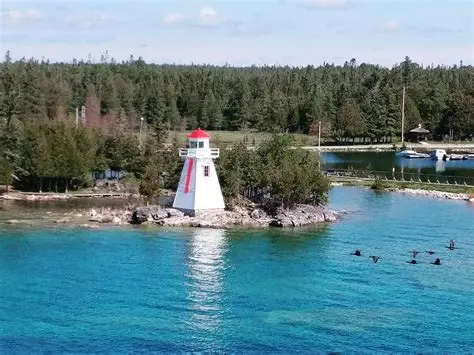

Ten Largest Lake Islands Worldwide

The CSR Journal Magazine

Manitoulin Island is the largest lake island globally, situated in Lake Huron in Canada. Covering an area of approximately 2,766 square kilometres, it is a prominent destination for both tourists and locals. The island is known for its rich biodiversity, with numerous hiking trails and natural parks attracting outdoor enthusiasts.

The indigenous Anishinaabe people have a significant presence on Manitoulin Island, contributing to its cultural richness. Visitors can explore various heritage sites and partake in community events that showcase local traditions. The island also boasts several charming towns, including Little Current and Gore Bay, both of which offer unique dining options and artisanal shops.

Manitoulin Island serves as a hub for water-based activities, from fishing to kayaking. The expansive shoreline features numerous beaches, making it a favourite spot for summer excursions. Conservation efforts are ongoing to preserve the island’s natural landscapes and wildlife, ensuring its beauty for future generations.

The ten largest lake islands in the world (by area) are:

Rank

Island

Lake

Country

Approx. Area

1

Manitoulin Island

Lake Huron

Canada

2,766 sq km

2

Isle Royale

Lake Superior

United States

535 sq km

3

Olkhon Island

Lake Baikal

Russia

730 sq km (often listed ahead of Isle Royale in some rankings because of differing definitions or measurements; exact ordering varies by source)

4

Sotra

Storavatnet

Norway

537 sq km (included only under some definitions of lake islands)

5

Ukerewe Island

Lake Victoria

Tanzania

530 sq km

6

Korkeasaari

Lake Saimaa

Finland

~385 sq km

7

René-Levasseur Island

Manicouagan Reservoir

Canada

2,020 sq km (on a reservoir rather than a natural lake, so often excluded from natural-lake lists)

8

Mfangano Island

Lake Victoria

Kenya

65 sq km

9

Kihnu

Coastal/lagoon system

Estonia

Not typically counted among true lake islands

10

Koivusaari

Lake Saimaa

Finland

~160 sq km

Widely accepted list of the largest natural lake islands

If considering only natural islands in natural lakes, the commonly accepted top entries include:

  1. Manitoulin Island – Lake Huron (Canada)

  2. Olkhon Island – Russia

  3. Isle Royale – Lake Superior (USA)

  4. Ukerewe Island – Tanzania

  5. Idjwi Island – Africa

  6. Ometepe – Nicaragua

  7. Mfangano Island – Kenya

  8. St. Ignace Island – Canada

  9. Sipi Island (smaller; rankings vary)

  10. Zalavik Island (depending on measurement criteria)

Note: Rankings vary because some sources include islands in artificial reservoirs (such as René-Levasseur Island) while others count only islands in natural lakes.

Lake Superior’s Madeline Island

Madeline Island, located in Lake Superior, is another significant lake island, covering an area of approximately 35 square kilometres. It is the largest of the Apostle Islands in Wisconsin, USA. The island is accessible via ferry service, which connects it to the mainland, making it a popular vacation spot.

The island’s history is steeped in Native American culture, particularly the Ojibwe tribe, who have inhabited the region for centuries. Madeline Island features numerous historical sites, including the Madeline Island Museum, where visitors can learn about the island’s past and its role in the fur trade.

Recreational activities abound on Madeline Island, with opportunities for hiking, fishing, and water sports. The island’s natural beauty is complemented by quaint shops and local eateries, providing visitors with a vibrant community atmosphere. Seasonal events, including the annual Madeline Island Film Festival, draw crowds and promote local artists.

Idjwi Island: The Hidden Gem of Lake Kivu

Idjwi Island, situated in Lake Kivu, is another notable lake island, known for its stunning landscapes and rich cultural heritage. It spans approximately 340 square kilometres and is located within the Democratic Republic of the Congo. The island is often overlooked but has much to offer in terms of natural beauty and historical significance.

The local population primarily consists of the Banyindu people, who maintain traditional lifestyles centred around agriculture and fishing. Visitors to Idjwi can experience the island’s unique culture through local festivals and markets, where traditional crafts and cuisines are showcased. This cultural exchange enriches the experience for both locals and tourists.

Idjwi’s geography consists of lush hills and fertile plains, providing excellent opportunities for eco-tourism. Hiking trails wind through the island, offering panoramic views of Lake Kivu and its surroundings. Efforts are being made to promote sustainable tourism on Idjwi to protect its environment while benefiting the local economy.

Long or Short, get news the way you like. No ads. No redirections. Download Newspin and Stay Alert, The CSR Journal Mobile app, for fast, crisp, clean updates!

App Store –  https://apps.apple.com/in/app/newspin/id6746449540 

Google Play Store – https://play.google.com/store/apps/details?id=com.inventifweb.newspin&pcampaignid=web_share

Latest News

Popular Videos