


Bumblebees Carry Up to Seven Times More Toxic Metals Than Honeybees, Study Finds
The CSR Journal Magazine

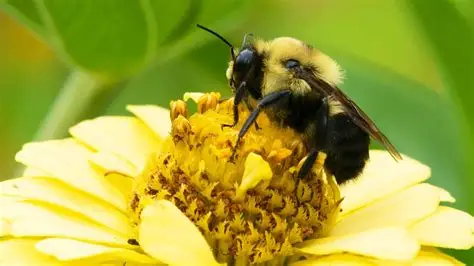
A recent study has revealed that bumblebees can carry significantly higher levels of toxic metals compared to honeybees. This potentially alarming finding suggests that bumblebees may be exposed to environments with elevated pollution levels or varying foraging habits. Scientists undertook this research to scrutinise the implications of metal accumulation in bee populations and the subsequent impact on ecosystems.

Study Methodology

The investigation involved collecting samples from various bee species across multiple locations. Researchers measured metal concentrations in the bodies of bumblebees and honeybees, particularly focusing on heavy metals such as lead, cadmium, and nickel. Notably, the data indicated that bumblebees harboured metal levels reaching up to seven times higher than those of honeybees.

Field sites were selected based on varying levels of urbanisation and industrial activity. This approach allowed the scientists to correlate the presence of toxic metals with specific environmental factors. Detailed analyses contributed to a comprehensive understanding of contamination patterns in bee populations.

Additionally, the researchers assessed the potential sources of metal exposure. It appeared that urban landscapes, agricultural practices, and industrial emissions played pivotal roles in environmental pollution, thus affecting the bees that inhabit these areas. The findings underscore the need for further investigation into how pollution affects bee health and behaviour.

Implications for Ecosystems and Biodiversity

This discovery may have significant consequences for ecosystems, as bees are vital pollinators for many plants. Pollination is crucial for the growth and reproduction of numerous crops and wild flora, thereby sustaining biodiversity. High levels of toxic metals can impair bee functioning, leading to reduced foraging efficiency and overall health declines. This, in turn, may threaten food security and ecological balance.

Concerns regarding bee population declines have heightened in recent years, and this research adds another layer to the complex challenges these insects face. Environmental stresses, coupled with the accumulation of metals, could exacerbate existing threats, making it essential for conservation efforts to consider pollution factors comprehensively.

Moreover, the research highlights the interconnectedness of species within ecosystems. If bee health deteriorates due to metal exposure, the ripple effects may extend to other species relying on the same plants for food and shelter, thereby creating a broader ecological crisis.

Future Research Directions

The findings of this study provide a fundamental basis for future research into the impacts of environmental contamination on bee health. Experts are advocating for targeted studies examining the long-term effects of metal exposure on both bumblebees and honeybees. Investigating the specific mechanisms by which these metals affect bee biology will be crucial for developing effective conservation strategies.

Furthermore, given the alarming nature of these results, policymakers may need to consider implementing stricter regulations on pollution sources. Promoting cleaner practices in urban and agricultural environments could mitigate the risks faced by bee populations. Increased public awareness and collaboration between researchers, policymakers, and communities will play a vital role in protecting these essential pollinators.

In summary, the study serves as a call to action for further investigation and policy intervention. Recognising the role of environmental pollutants in bee health will be essential for ensuring that these crucial species can continue to thrive and support the ecosystems upon which human and environmental health depend.

Long or Short, get news the way you like. No ads. No redirections. Download Newspin and Stay Alert, The CSR Journal Mobile app, for fast, crisp, clean updates!

App Store –  https://apps.apple.com/in/app/newspin/id6746449540 

Google Play Store – https://play.google.com/store/apps/details?id=com.inventifweb.newspin&pcampaignid=web_share

Latest News

Popular Videos
