


Supreme Court Dismisses Plea Regarding Alleged Police Misconduct at CJP Protest
The CSR Journal Magazine

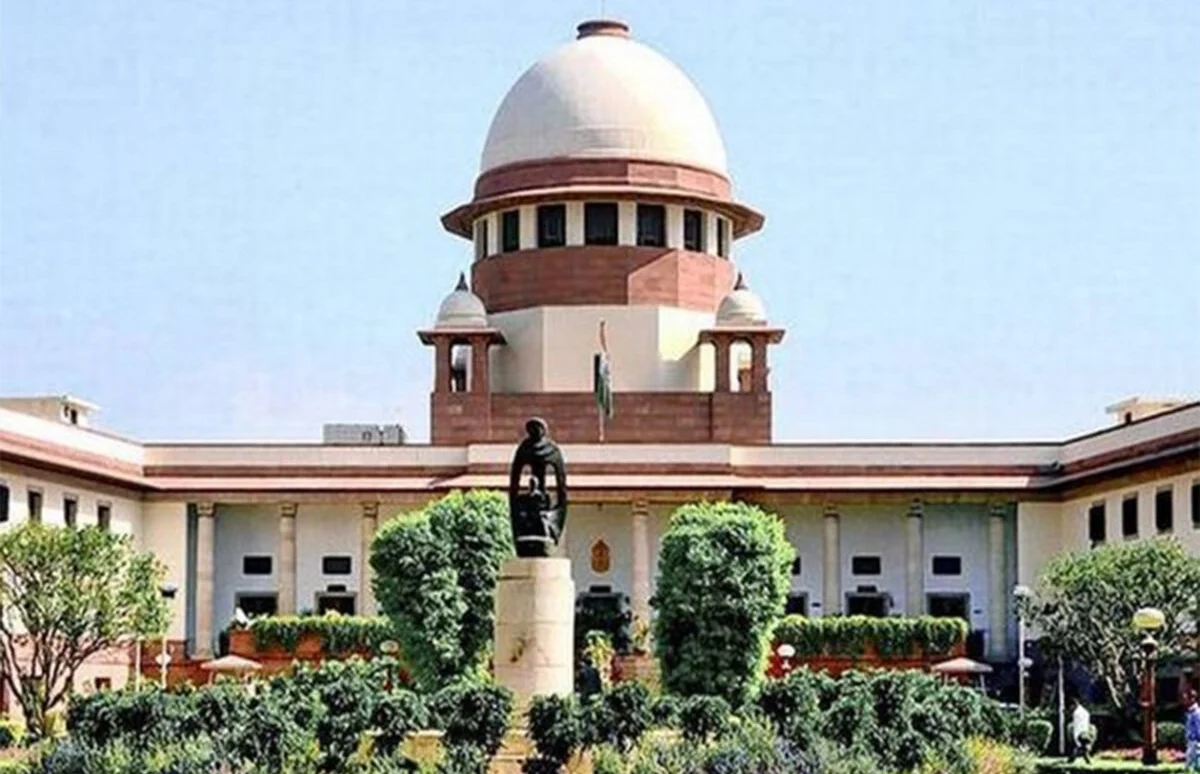
The Supreme Court of India on July 22 declined to entertain a letter petition that accused police of excessive force against students during a protest led by the Cockroach Janta Party (CJP) in Delhi. The protest, aimed at demanding significant reforms in the nation’s education system, was brought to the attention of the Court by Advocate Narendra Mishra.

Mishra approached a bench headed by Chief Justice of India Surya Kant, requesting the Court’s intervention regarding alleged incidents such as lathi-charge and the deployment of tear gas against participants in the demonstration. The Chief Justice responded by stating that the Court was not interested in reviewing videos or entertaining such matters, indicating a lack of willingness to pursue the case further.

Details of the Allegations

The letter petition outlined various allegations concerning law enforcement actions during the protest, including calls for the Court’s suo motu cognisance regarding the police conduct. Mishra’s petition sought an independent judicial inquiry into the accusations of police excessiveness alongside demands for formal registrations of First Information Reports (FIRs) against those officers deemed responsible for misconduct.

Furthermore, the plea requested directives to ensure the preservation of electronic evidence linked to the events of the protest, including videos submitted as part of the petition. The allegations extended to individuals suspected of participating in the violence while dressed in civilian clothing, prompting calls for a thorough investigation into their involvement.

In addition to the calls for accountability, the petition also sought financial compensation for those who suffered injuries allegedly due to unlawful or excessive force used by authorities during the demonstration. The request underlined the need for justice for victims of what was claimed to be police aggression during the protest.

Context of the Protest

The protest organised by the CJP was part of a broader movement advocating for substantial changes to the education system in India. Students gathered in significant numbers to voice their concerns and demand attention from policymakers regarding issues affecting their educational experience. Amidst these protests, tensions escalated, resulting in confrontations with the police.

Law enforcement agencies maintain that their actions were necessary to manage the situation, highlighting the challenges of ensuring public safety in the context of mass protests. However, claims from various quarters continue to question the proportionality and legitimacy of the police response during such demonstrations.

The Supreme Court’s dismissal of the letter petition has raised concerns among activist groups and advocates for student rights, many of whom view the Court’s decision as a setback for accountability in cases of alleged police misconduct. Despite this, the legal landscape surrounding civil rights and police actions in India remains a complex and evolving arena.

Long or Short, get news the way you like. No ads. No redirections. Download Newspin and Stay Alert, The CSR Journal Mobile app, for fast, crisp, clean updates!

App Store –  https://apps.apple.com/in/app/newspin/id6746449540 

Google Play Store – https://play.google.com/store/apps/details?id=com.inventifweb.newspin&pcampaignid=web_share

Latest News

Popular Videos
