


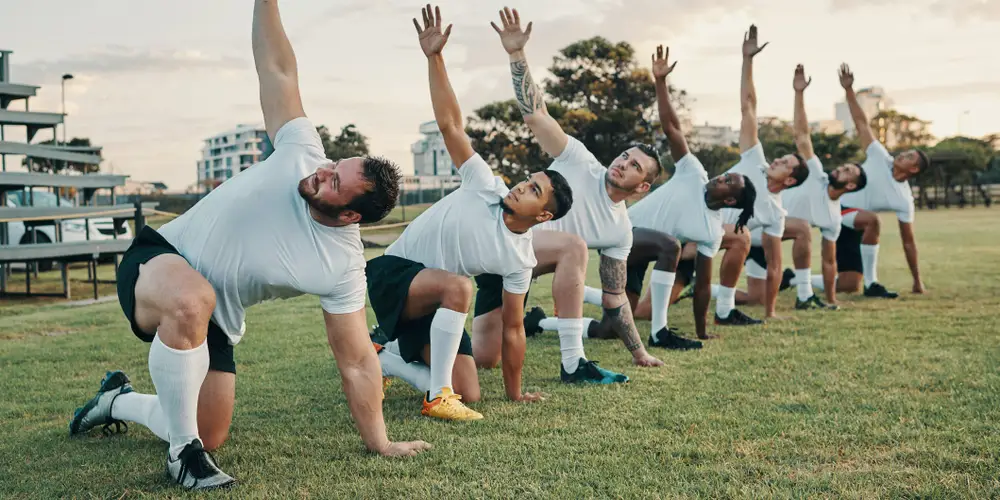

Recent investigations have raised questions about the necessity of stretching before engaging in physical activities, challenging the long-held belief that it is essential for fitness routines. Traditionally, stretching is viewed as a means to prevent injuries and prepare the body for exertion. However, insights from new studies suggest that the effectiveness of stretching varies based on the nature of the exercise planned.
The main objectives of stretching before workouts include enhancing flexibility, improving blood circulation, and mentally preparing the individual for exercise. Experts now advise focusing on warming-up movements that actively engage the body’s systems instead of performing long static stretches prior to a workout.
As exercise professionals continue to evaluate stretching techniques, shifting towards more dynamic movements appears to be the recommended approach for most fitness enthusiasts. This guidance comes from a growing body of evidence supporting the effectiveness of dynamic warm-ups.
Comparing Static and Dynamic Stretching
Stretching methods can generally be divided into two categories: static and dynamic. Static stretching involves holding a position for a duration, typically ranging from fifteen to sixty seconds, without any movement. Examples include toe touches or hamstring holds. Conversely, dynamic stretching emphasizes controlled, repetitive motions that allow for a comprehensive range of joint and muscle movement. Activities like arm circles, leg swings, walking lunges, bodyweight squats, and high knees fall into this category.
Research indicates that dynamic stretching is often more effective prior to exercise, as it actively engages the body and prepares it for movement. The controlled nature of dynamic exercises facilitates a smoother transition into workouts, which can lead to enhanced performance.
Despite popular belief, static stretching may not provide the injury prevention benefits that many assume. Studies suggest that the act of holding stretches, particularly static stretches, does not consistently correlate to a reduction in sports-related injuries. Instead, a comprehensive warm-up that progressively elevates heart rate and activates relevant muscle groups is considered critical.
Understanding the Impacts of Stretching on Performance
Static stretching, especially when performed immediately before activities requiring strength, speed, or explosive power, has been shown to potentially diminish muscle performance temporarily. This is particularly relevant for athletes preparing for sprints, jumps, or heavy lifts, where extended static stretching can hinder the ability to generate maximum force. Consequently, many fitness experts advocate for reserving static stretching for after workouts or dedicated flexibility sessions.
Dynamic stretching, on the other hand, significantly benefits pre-workout preparations by promoting increased blood circulation, raising body temperature, and enhancing joint mobility. These advantages contribute to improved coordination and balance, making dynamic stretching a preferred choice for athletes and those preparing for intense workouts.
Experts recommend a comprehensive warm-up lasting five to ten minutes, which may encompass activities such as brisk walking, light jogging, arm circles, leg swings, and bodyweight squats. Tailoring the warm-up to suit the specific activity planned is a suitable strategy to optimise performance.
When to Implement Static Stretching
While static stretching has benefits, it is most effective post-exercise when muscles are adequately warmed. Engaging in static stretching after workouts can help to improve flexibility over time and alleviate muscle tightness, although it may not fully prevent soreness after strenuous activities.
Individuals with specific conditions such as chronic pain, joint issues, or mobility restrictions should consult healthcare professionals or physiotherapists before embarking on a stretching routine. It is also crucial to halt any stretching that induces sharp pain, numbness, or dizziness and seek medical counsel if necessary.
In conclusion, stretching can be advantageous, but the method employed is of utmost importance. Most individuals will benefit more from a dynamic warm-up prior to exercise, while static stretches are more appropriately applied after workouts or in separate flexibility training sessions.