


Sonam Wangchuk Responds to Critics After Ending Hunger Strike
The CSR Journal Magazine

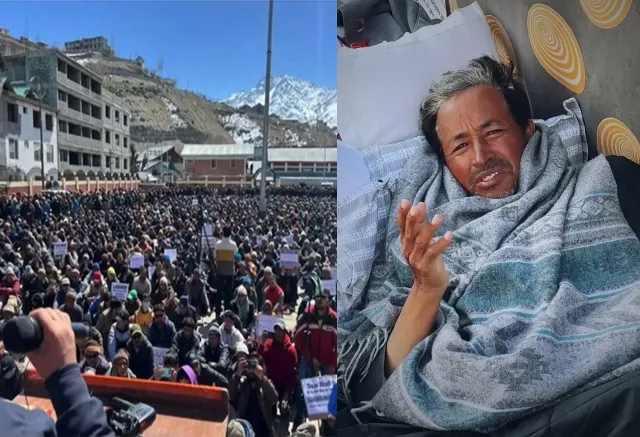
Sonam Wangchuk, a prominent activist, recently concluded a hunger strike that lasted for 26 days, during which he advocated for students protesting the alleged NEET paper leak. His decision to terminate the fast has sparked criticism and questioning from various quarters regarding the sincerity of his efforts.

In a video message shared on social media, Wangchuk expressed his frustration with the notion that he must provide a character certificate to validate his commitment to the cause. He highlighted the physical toll the fast had taken on him, noting a significant loss of weight and suggesting that his health had reached a precarious state due to the prolonged absence of food.

Wangchuk’s fast was not just a personal trial; it represented a wider call for systemic reforms in India’s education system. He pointed out that the current state of competitive examinations requires urgent attention, particularly following the issues surrounding the NEET examination. His motivation in taking such a drastic step was to amplify the voices of students facing adversity.

Assurances from the Government

The conclusion of Wangchuk’s hunger strike came after he received written assurances from the Union Government regarding the pressing concerns related to the NEET examinations. The assurance reportedly included commitments towards necessary reforms in the competitive testing system.

Wangchuk terminated his fast in the presence of Union Ministers JP Nadda and Jitendra Singh at Medanta Hospital. During the event, he shared that he had insisted on receiving a formal document for confirmation of the assurances, which resulted in a two-day delay in his decision to end the protest. This insistence on a written guarantee stemmed from previous experiences where verbal promises had not been fulfilled.

In a concurrent meeting with government representatives, members of the Cockroach Janata Party (CJP) stated that the government requested additional time to consider their demand for the resignation of Union Education Minister Dharmendra Pradhan. This suggests that negotiations around educational reforms are ongoing and complex.

Public Reaction and Accountability

In his message, Wangchuk also addressed the public’s scepticism regarding his motivations for ending the strike. He urged individuals to consider the backgrounds of those who criticise him, questioning whether their perspectives were influenced by political affiliations or biases. His call for scrutiny highlights the contentious nature of activism in the political landscape.

Wangchuk’s reflections on his commitment, despite the backlash, underscore the challenges faced by activists in advocating for reforms. The circumstances of his hunger strike and the heavy implications of student protests illustrate the enduring struggles within the educational system in India.

As discussions surrounding the NEET examination and related reforms continue, Wangchuk’s actions have reinvigorated attention on the issues at hand. His need for recognition and understanding, both personally and publicly, reflects the broader discontent among students and stakeholders demanding change.

Long or Short, get news the way you like. No ads. No redirections. Download Newspin and Stay Alert, The CSR Journal Mobile app, for fast, crisp, clean updates!

App Store –  https://apps.apple.com/in/app/newspin/id6746449540 

Google Play Store – https://play.google.com/store/apps/details?id=com.inventifweb.newspin&pcampaignid=web_share

Latest News

Popular Videos
