


“Some Issues Remain Non-negotiable”: CJP’s Saurav Das Ahead of Meeting With JP Nadda
The CSR Journal Magazine

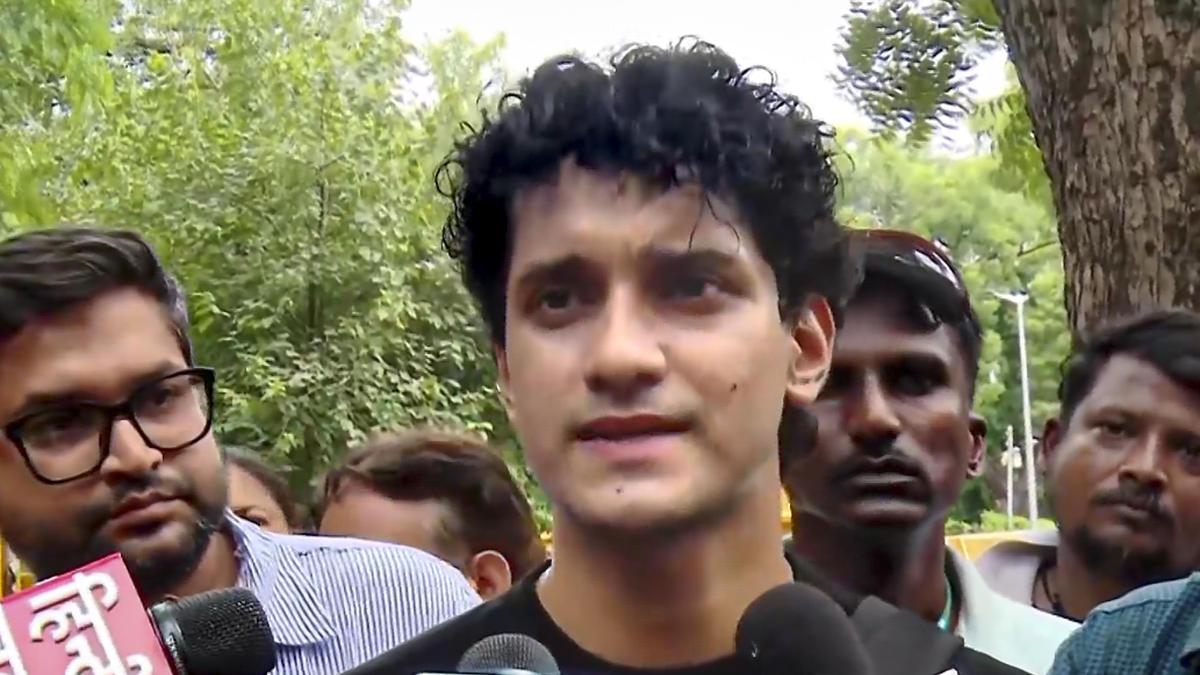
The Cockroach Janta Party (CJP), through spokesperson Saurav Das, has confirmed a meeting with government officials scheduled for July 24, at 12:30 PM. The discussions will take place at the Constitution Club of India, following a two-day review period. Das indicated that senior BJP leaders JP Nadda and Bhupendra Singh would represent the government to address key issues raised by the CJP delegation. He emphasised that some topics would remain non-negotiable during these talks.

Das further noted that the meeting was arranged after considerable deliberation and expressed the view that if government representatives were hesitant to meet at Jantar Mantar, the chosen venue of the CJP’s ongoing protests, the Constitution Club was deemed an appropriate alternative. He reaffirmed the commitment to addressing core grievances and acknowledged the importance of this dialogue in the current political climate.

Background of the Advocates for Change

According to CJP representative Ashutosh Ranka, many members of the delegation lacked a history of political activism. The origins of the protests, which began on June 6, reflected a collective response to perceived failings in the education system. Ranka provided insight into the motivations of the participants, stating that their concerns for the nation’s educational framework and future led them to engage in advocacy despite having no prior experience.

Ranka described their initial visit to Jantar Mantar as a pivotal moment for the organisers, noting that their commitment to the cause stemmed from a sense of urgency. “Recognising the significance of the situation, we felt that staying silent would hinder the nation’s progress,” he remarked. The CJP has claimed that the support from the public has been instrumental in sustaining their momentum over the past month and a half.

Furthermore, Ranka underscored the risks involved in their activism, stating that without popular backing, they could have faced unfounded allegations of anti-national activities. He asserted that public support has shifted the dynamics, putting pressure on the government rather than the protesters themselves.

Primary Demands and Future Actions

The CJP’s founding president, Abhijeet Dipke, made it clear that their protests would continue until Union Education Minister Dharmendra Pradhan resigns. Following the conclusion of activist Sonam Wangchuk’s 26-day hunger strike, Dipke expressed relief for Wangchuk’s health while reasserting the demand for accountability related to examination irregularities.

Dipke addressed media representatives, asserting the movement’s determination: “Our agitation will persist until our demands are met.” He articulated a principled stance regarding negotiations, indicating that discussions must occur in a neutral venue and reiterated that the resignation of Pradhan is crucial to resolving the ongoing protest. The insistence on neutrality showcases the group’s desire for fair dialogue.

This stance comes amidst assertions from Prime Minister Modi about taking strict measures against alleged examination paper leaks. Modi’s government plans to introduce a draft Bill for Fast-Track Courts to tackle such issues more effectively, demonstrating the ongoing tensions surrounding educational integrity and the response to public demands for accountability.

Long or Short, get news the way you like. No ads. No redirections. Download Newspin and Stay Alert, The CSR Journal Mobile app, for fast, crisp, clean updates!

App Store –  https://apps.apple.com/in/app/newspin/id6746449540 

Google Play Store – https://play.google.com/store/apps/details?id=com.inventifweb.newspin&pcampaignid=web_share

Latest News

Popular Videos
