


Residents Torch Ebola Treatment Centre in DRC’s Ituri Province Amid Burial Practice Dispute
The CSR Journal Magazine

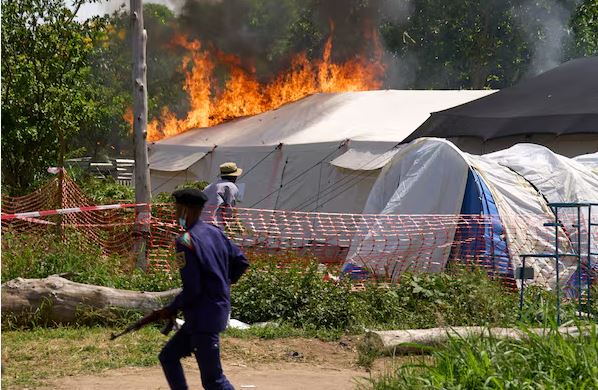
The residents of Rwampara, a town in the eastern Democratic Republic of the Congo (DRC), have reportedly set ablaze a facility designated for treating Ebola patients. This incident occurred on 21 May 2026, following a dispute regarding the burial of a local man suspected to have died from the virus. The attack highlights existing tensions and mistrust regarding the management of the Ebola outbreak in a region grappling with limited healthcare resources and ongoing conflict.

According to eyewitness accounts, a group of young men stormed the treatment centre after health officials declined their request to release the body of a friend for burial. Following their entry, they ignited sections of the facility, illustrating the community’s frustration with the health authorities’ regulations concerning Ebola victims.

Reports indicate that police were deployed in an attempt to de-escalate the situation; however, their efforts were reportedly unsuccessful. Local resident Alexis Burata stated that the unrest crescendoed with the treatment centre being set on fire, revealing the level of desperation among the locals.

Public Health Regulations and Community Response

The DRC and international health agencies have emphasised the importance of strict burial protocols for Ebola victims, as their bodies can pose a significant risk of transmission. Therefore, they mandate that specialised teams carry out burials while wearing protective gear, thereby restricting traditional funeral practices that often involve close family contact with the deceased.

Deputy Senior Commissioner Jean Claude Mukendi highlighted the difficulties faced by the authorities in navigating local customs during health crises. He reiterated that the enforcement of these regulations is essential for public safety, despite the emotional distress experienced by grieving families who wish to perform last rites according to their traditions.

This tragic incident exemplifies a broader challenge for health officials, as resistance to public health measures often arises from deep-seated cultural practices. Many locals remain suspicious and believe that health workers may not be fully transparent regarding the care and treatment occurring within these centres.

Implications for Future Ebola Control Efforts

Hama Amadou, field coordinator for humanitarian organisation ALIMA, reported that tension in the area had eased, allowing aid workers to resume their operations following the incident. However, the event calls attention to the ongoing difficulties faced by relief efforts in the region.

As the Ebola outbreak continues, both local authorities and international health agencies must address the challenges of engaging with communities effectively. The balance between ensuring public health and respecting cultural practices remains a delicate task that requires sensitivity and understanding from all parties involved.

Long or Short, get news the way you like. No ads. No redirections. Download Newspin and Stay Alert, The CSR Journal Mobile app, for fast, crisp, clean updates!

App Store –  https://apps.apple.com/in/app/newspin/id6746449540 

Google Play Store – https://play.google.com/store/apps/details?id=com.inventifweb.newspin&pcampaignid=web_share

Latest News

Popular Videos
