


Research Reveals Reason Behind Red and Orange Hair In Humans
The CSR Journal Magazine

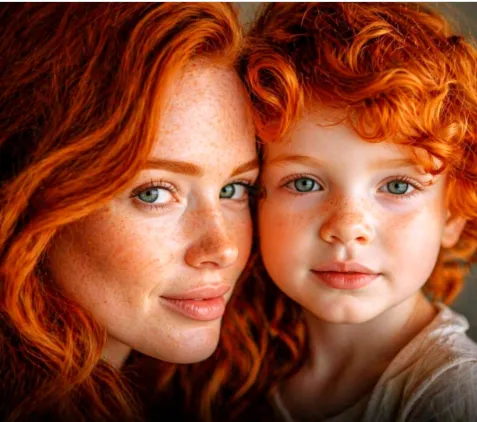
The phenomenon of red and orange hair in humans has been a subject of intrigue for many years. Recent research has uncovered insights into the genetic basis for these unique hair colours. The study focuses on specific gene variations that are responsible for the pigmentation of hair, particularly the role of the gene known as MC1R. This gene has been identified as a significant factor influencing the red hair trait, which is found predominantly in individuals of Northern and Western European ancestry.

While the MC1R gene is crucial in determining hair colour, the expression of this gene can vary widely among different populations. It is suggested that variations in these genetic sequences can lead to the production of pheomelanin, the pigment associated with red and orange hues. The study posits that these genetic differences may have occurred due to evolutionary pressures faced by early humans in varying climates and environments.

Impact of Avian Biology on Human Hair Pigmentation

The research draws parallels between human hair colours and the pigmentation observed in certain bird species. Birds, particularly those in temperate regions, exhibit a remarkable range of feather colours, including shades of red and orange, which have been linked to their diets and environmental adaptations. The study indicates that understanding these avian colouration patterns may provide a better understanding of the adaptive significance of red hair in humans.

The connection between avian biology and human genetics highlights the evolutionary pathways that may lead to specific pigmentation traits. Researchers have pointed out that just as certain bird species developed these colours as a response to their ecological niches, humans may have similarly evolved their hair colours to attract mates or blend into their surroundings. This offers a compelling narrative regarding how various species adapt to their environments over time.

Moreover, the study examines how the migration of early humans could have played a crucial role in the distribution of red hair genes across different populations. Genetic drift and natural selection are proposed as potential forces that shaped the presence or absence of these traits based on geographical location and climate. The findings suggest that the rarer occurrence of red hair in contemporary populations may be a result of complex historical demographic changes.

Cultural and Societal Implications of Red Hair

In addition to the scientific aspect, the cultural significance of red hair across various societies cannot be overlooked. Throughout history, red-haired individuals have often been viewed through various cultural lenses, sometimes facing stereotypes, while at other times being revered. The findings from the recent study could fuel discussions about the social dynamics that surround hair colour variations.

Notably, the prevalence of red hair can vary, with only about one to two per cent of the global population exhibiting this trait. Its rarity has made red hair a subject of fascination in folklore and popular culture, often depicted as magical or otherworldly. Researchers acknowledge that a deeper understanding of the genetic and evolutionary factors behind red hair may help to challenge existing stereotypes and promote greater acceptance of diversity in human appearances.

As discussions around human genetics and cultural diversity evolve, further research might delve deeper into the implications of pigmentation beyond just aesthetic values. The findings collectively encourage a broader dialogue on genetic diversity, human evolution, and the cultural significance of various physical traits in society.

Long or Short, get news the way you like. No ads. No redirections. Download Newspin and Stay Alert, The CSR Journal Mobile app, for fast, crisp, clean updates!

App Store –  https://apps.apple.com/in/app/newspin/id6746449540 

Google Play Store – https://play.google.com/store/apps/details?id=com.inventifweb.newspin&pcampaignid=web_share

Latest News

Popular Videos
