


Rain Forecasted: Yellow Alert Issued for Delhi-NCR as Western Disturbance Approaches
The CSR Journal Magazine

A significant weather system from the west is currently affecting northern India, bringing rain, thunderstorms, and cooler temperatures to the region. This development coincides with the advance of the southwest monsoon. Meteorologists report that a robust Western Disturbance is travelling eastward across North India, influencing active rain zones in several states including Rajasthan, Haryana, western Madhya Pradesh, Delhi-NCR, Jammu and Kashmir, Himachal Pradesh, and Uttarakhand.

The India Meteorological Department (IMD) anticipates light rainfall in various areas, including Kaithal, Jind, Rewari, Alwar, and Bhiwari, in the coming hours. In Uttar Pradesh, places like Saharanpur, Bijnor, Hastinapur, and Chandpur are also expected to receive light to moderate rain, accompanied by thunderstorms and winds gusting up to 40 kmph over the next two hours. Prior to this, some regions have experienced moderate showers and overcast skies.

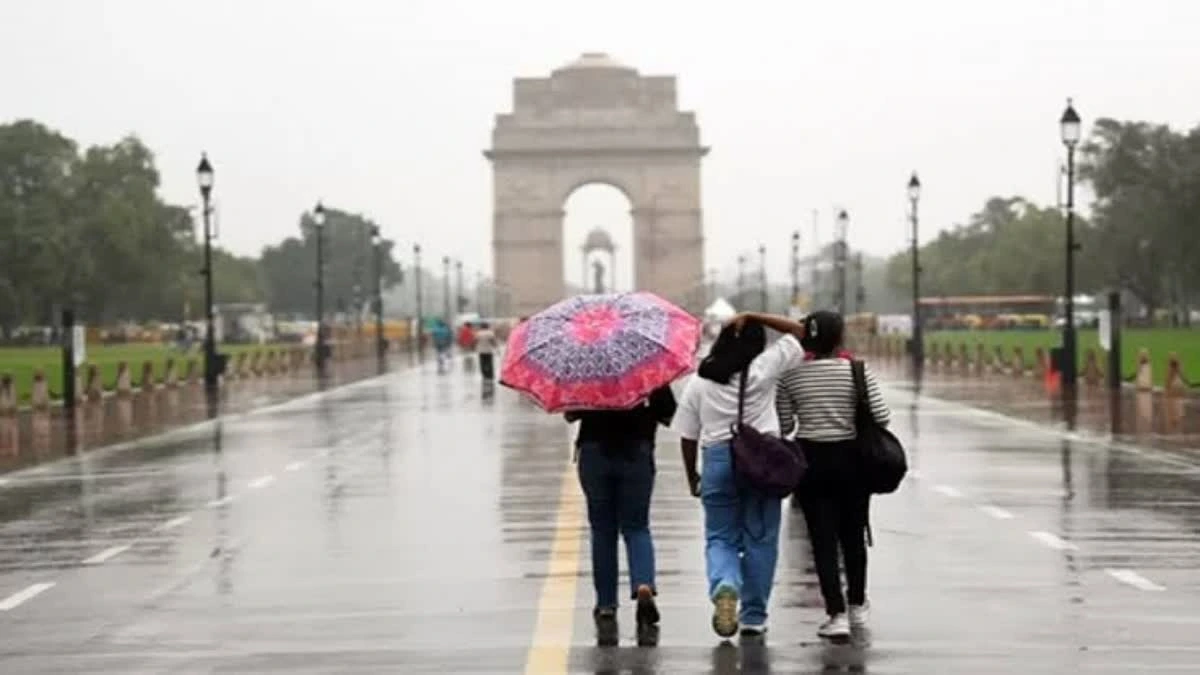
In Delhi, light drizzle was recorded on the morning of June 5, marking a noticeable drop in temperatures and providing a welcome respite from the heatwave that had gripped the area. The IMD has issued alerts for thunderstorms, lightning, and rain across multiple states, specifically a yellow alert for Delhi and its neighbouring regions.

Clarifying Current Rainfall Causes

The anticipated rainfall is not directly associated with the incoming monsoon, as the seasonal rains are still weeks away. This current spell of precipitation can be attributed to the ongoing western disturbance, a weather pattern known for producing rains and storms in northern India. The southwest monsoon typically originates from the Indian Ocean and was reported to have officially reached Kerala on June 4, signalling the start of the monsoon season across the country.

The arrival of the Western Disturbance, which has been active since June 3, is seen as a relief for many in North India, who have been enduring excessive temperatures. However, this system carries inherent risks, including the possibility of sudden heavy showers that can lead to waterlogging in urban areas. Strong winds and lightning can pose hazards, particularly in open spaces and mountainous regions, affecting travel conditions and increasing the likelihood of accidents.

The IMD forecasts indicate that rain and thunderstorms will persist through June 6 in several areas before gradually subsiding. Following this period, temperatures are expected to rise again until the monsoon advances further north, which is projected to occur towards the end of June.

Recommendations Amid Weather Changes

As the weather pattern evolves, the IMD advises the public to stay informed through official updates and to prepare for the changing conditions. Residents are urged to carry rain gear, avoid exposed areas during thunderstorms, and drive carefully in adverse weather. This recent occurrence of rain illustrates the complex interactions between western weather systems and the monsoon, both crucial for delivering the annual rains that millions depend upon.

With this development, the attention continues to be on how these weather phenomena will shape the remainder of the season. As North India experiences this shift, the implications for various regions and their preparedness remain a critical consideration.

Long or Short, get news the way you like. No ads. No redirections. Download Newspin and Stay Alert, The CSR Journal Mobile app, for fast, crisp, clean updates!

App Store –  https://apps.apple.com/in/app/newspin/id6746449540 

Google Play Store – https://play.google.com/store/apps/details?id=com.inventifweb.newspin&pcampaignid=web_share

Latest News

Popular Videos
