


Pellet Gun Injuries Result in Long-Term Consequences for Survivors
The CSR Journal Magazine

The issue concerning the use of pellet guns has gained renewed attention following reports and personal testimonies from victims who experienced pellet injuries during recent student protests. Medical records reveal at least three individuals have been treated for such wounds, while a fourth case is being discussed online but remains unverified. Although hospital authorities and security forces have not officially acknowledged the deployment of pellet ammunition during the crackdown on protesters associated with the Cockroach Janta Party (CJP) on July 20, the severity of these injuries has raised significant concerns regarding crowd-control tactics employed by security personnel.

Among the injured is 20-year-old Sahil Lochab, who sustained extensive damage to one eye, jeopardising his vision. He also faces various other injuries across his face, shoulders, and torso and is currently receiving treatment at the All India Institute of Medical Sciences (AIIMS). Additionally, Shaikh Irshad Mansoori is being treated at Lady Harding Medical College (LMHC), having undergone surgeries to remove pellets lodged in his neck and eye. There are also reports of two more individuals, including a journalist, suffering from pellet injuries who are not currently hospitalised.

This alarming situation has sparked further examination of security responses to public protests. The Delhi Police has denied the use of pellet guns during the recent operation, yet sources indicate that pellet guns are part of the equipment utilised by the Rapid Action Force (RAF), a unit of the Central Reserve Police Force (CRPF) that deals with riot control. Meanwhile, officials from the Union Home Ministry are reportedly looking into these allegations but have not released an official statement confirming whether pellet guns were employed.

Understanding the Nature of Pellet Injuries

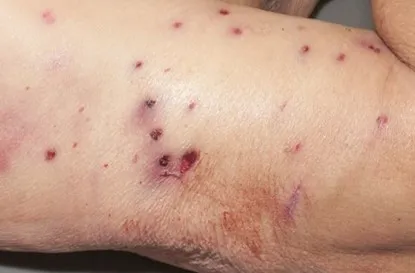
Medical professionals highlight that pellet injuries differ significantly from conventional firearm wounds, largely due to the mechanics of the ammunition. Unlike a single bullet, a pellet cartridge releases multiple small pellets that disperse on firing. This dispersion makes it nearly impossible to predict the trajectory or impact of each pellet. Dr Namit Gupta, a medico-legal expert who has treated victims in the past, asserts that this unpredictable spread can result in injuries not just to targeted individuals, but also to bystanders.

Injuries are particularly severe when pellets are fired from close range, leading to deep penetration in soft tissues. The face and neck are particularly vulnerable, with pellets embedded in these areas requiring painful surgical removal. When pellets strike the eyes, the potential for vision loss increases drastically, as even a single pellet can inflict irreversible damage. Threats can extend to vital organs, where pellet impacts may lead to life-threatening conditions.

Moreover, the consequences of pellet injuries are not solely immediate. Medical professionals point out the necessity for long-term observation, as retained pellets can occasionally lead to complications such as blood clots or lead toxicity. Surgeons often confront challenging decisions in the operating room, opting to leave certain pellets in place because of the harm potential in retrieving them. These retained pellets can, over time, become encased in scar tissue, complicating future medical evaluations.

The Legacy of Pellet Guns in India

The usage of pellet guns in India has been a contentious issue for over a decade, introduced as a less-lethal option for crowd control around 2010 in Jammu and Kashmir. However, hospitals soon reported alarming numbers of severe eye injuries and permanent disabilities among those impacted. During the 2016 unrest in Kashmir, many injured individuals required airlifting to AIIMS Delhi for specialised treatment due to the nature of their injuries.

The Supreme Court took note of these widespread reports of injuries, urging the government to ensure judicious use of pellet guns. In 2017, the government communicated to the court that such weapons were to be considered a last resort for crowd-control operations. Recent protests, particularly during farmer demonstrations in Punjab and Haryana, saw renewed allegations surrounding pellet gun usage, yet authorities have repeatedly denied these claims, leaving the situation unresolved.

For trauma surgeons, managing pellet injuries poses significant challenges, as each case presents a unique pattern of damage. Some patients recover after minor procedures, while others face extended rehabilitation and multiple surgeries, resulting in an ongoing need for medical care.

Long or Short, get news the way you like. No ads. No redirections. Download Newspin and Stay Alert, The CSR Journal Mobile app, for fast, crisp, clean updates!

App Store –  https://apps.apple.com/in/app/newspin/id6746449540 

Google Play Store – https://play.google.com/store/apps/details?id=com.inventifweb.newspin&pcampaignid=web_share

Latest News

Popular Videos
