


Delay in One Nation, One Election Bill Until Winter Session
The CSR Journal Magazine

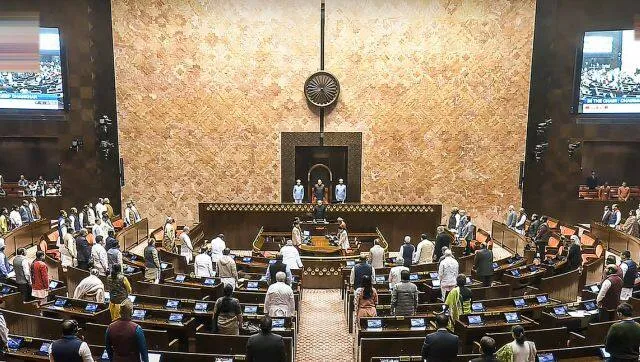
The ‘One Nation, One Election’ Bill will not be discussed during the present Monsoon Session of Parliament. The Lok Sabha formally approved an extension for the Joint Parliamentary Committee (JPC) responsible for reviewing the legislation. This resolution was tabled by Committee Chairman PP Chaudhary and accepted by a voice vote.

This new deadline means that the Constitution (the 129th Amendment) Bill, 2024, which aims to establish a framework for simultaneous elections for the Lok Sabha and state assemblies, is not expected to advance in Parliament before the Winter Session. Typically, the Winter Session begins in late November and wraps up before Christmas.

The JPC, consisting of 41 members, has been undertaking consultations nationwide with constitutional experts, civil society groups, educators, political figures, and state administrations to assess the feasibility and implications of synchronised elections.

Committee Envisions Simultaneous Elections by 2029

Chaudhary noted that the committee is exploring various mechanisms to make simultaneous elections operable by the general elections scheduled for 2029. Efforts are being made to create a model that is acceptable to all political factions.

The government contends that this initiative is designed to decrease the frequency of elections, reduce associated costs, and lessen interruptions in governance. Chaudhary has claimed that frequent elections lead to economic drawbacks, hamper administrative efficiency, and distract teachers and other public servants from their core responsibilities.

He has also cited research presented to a high-level committee led by former President Ram Nath Kovind, indicating that synchronised elections could yield significant economic benefits. Proponents argue that such elections could streamline the election process and minimise disruptions to daily life.

Support and Opposition Surrounding the Proposed Reform

Conversely, opposition parties have raised robust concerns regarding the proposal. They contend that synchronising elections risks undermining the federal framework by diluting state autonomy and favouring larger national parties. Critics have also questioned the practicality of maintaining a unified electoral cycle, particularly in a parliamentary structure where government dissolutions can occur before the completion of term lengths.

Many leaders from the opposition have called for broader consultations and more clarity on the constitutional, legal, and administrative matters before any amendments are pursued. Their calls highlight the necessity for a more substantial dialogue surrounding the potential ramifications of the proposed reforms.

Ongoing Consultations and Future Steps

The JPC has already travelled to several states, including Gujarat, Karnataka, Maharashtra, Himachal Pradesh, Uttarakhand, Punjab, Haryana, Delhi, and Goa, to gather insights on the challenges associated with implementing the proposed plan. Chaudhary stated that a substantial majority of civil society participants consulted thus far have expressed support for the initiative, even though achieving political consensus remains challenging.

The focus of the committee, now with extended tenure, will be on completing these consultations and finalising its recommendations. The government is anticipated to await the JPC report before determining the next legislative direction, making the Winter Session the earliest possible opportunity for additional parliamentary discussions on the ‘One Nation, One Election’ reform.

Long or Short, get news the way you like. No ads. No redirections. Download Newspin and Stay Alert, The CSR Journal Mobile app, for fast, crisp, clean updates!

App Store –  https://apps.apple.com/in/app/newspin/id6746449540 

Google Play Store – https://play.google.com/store/apps/details?id=com.inventifweb.newspin&pcampaignid=web_share

Latest News

Popular Videos
