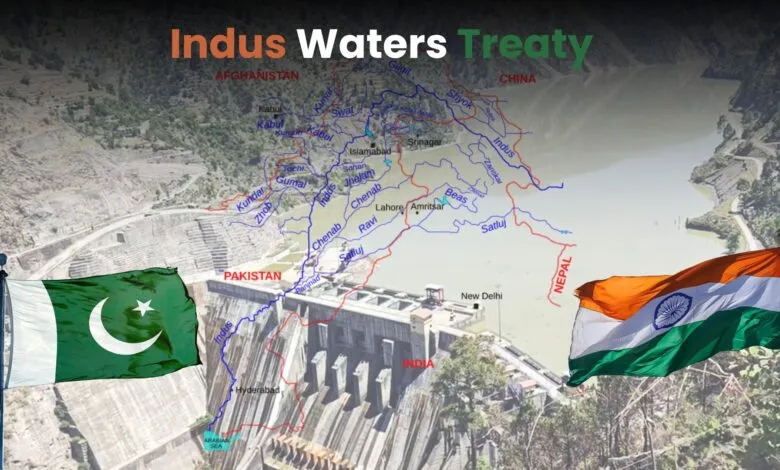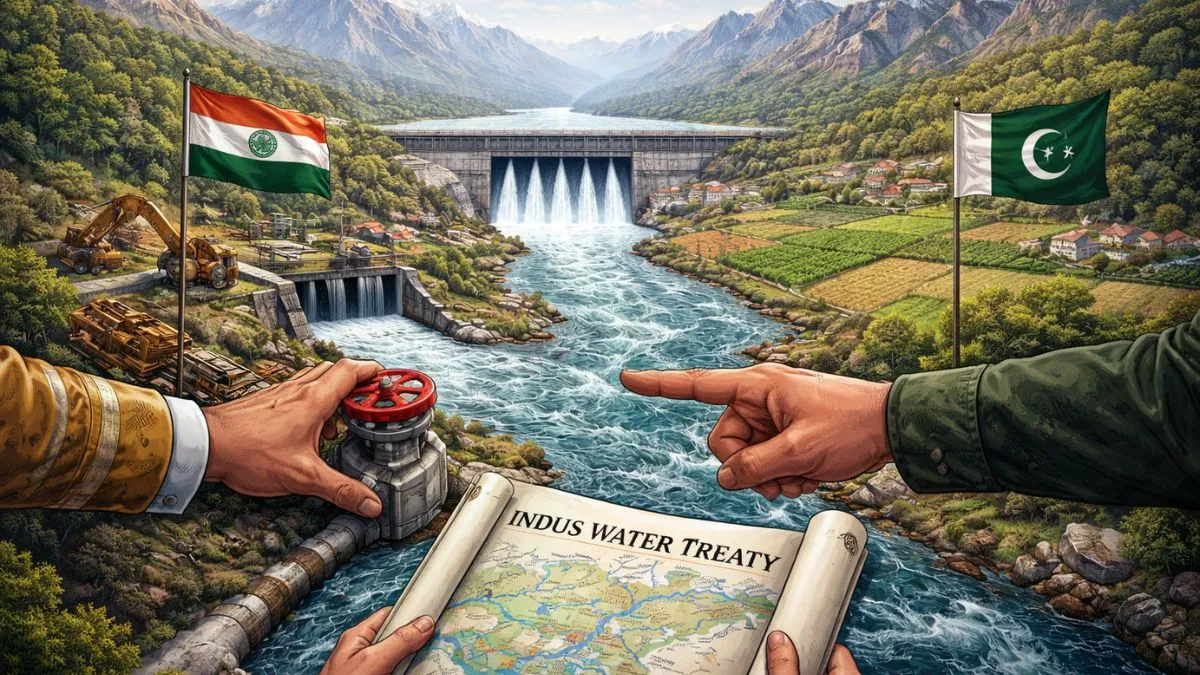

The Indus Waters Treaty (IWT), established in 1960 to manage water-sharing between India and Pakistan, has come under renewed scrutiny due to recent political tensions. Allegations have emerged suggesting a coordinated narrative from Pakistani media and western think tanks portraying Pakistan as a victim in the ongoing water dispute. This development occurs against the backdrop of India’s decision to suspend its adherence to the treaty following a terrorist attack attributed to Pakistan.
On April 22, 2025, a deadly assault in Pahalgam resulted in 26 civilian deaths, with victims reportedly targeted based on their religion. This attack occurred after statements from the Pakistani military hinted at increased militant activity. In response to such incidents, Indian leadership has firmly stated that issues of national security must take precedence over humanitarian considerations related to water distribution.
Pakistan’s President, Asif Ali Zardari, convened a high-level meeting shortly after the incident, expressing alarm over India’s suspension of the treaty. He framed this suspension as a form of “weaponisation of water” and laid out plans for diplomatic and legal measures to assert Pakistan’s rights under the treaty. His statements coincided with a series of articles in various international platforms advocating for Pakistan’s narrative regarding water rights.