


Oman-Gujarat Deep-Sea Pipeline Could Reshape India’s Energy Future
The CSR Journal Magazine

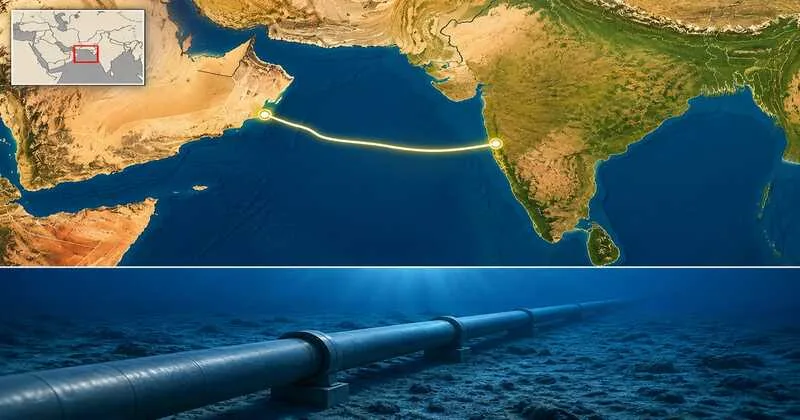
The proposed Oman-Gujarat deep-sea gas pipeline is once again drawing attention as India looks to strengthen its energy security amid growing geopolitical uncertainties. Stretching nearly 2,000 kilometres beneath the Arabian Sea, the project aims to transport natural gas directly from Oman to Gujarat, reducing India’s dependence on traditional shipping routes through the Strait of Hormuz.

The proposal has gained momentum as policymakers and energy experts explore ways to shield the country from disruptions caused by conflicts and tensions in West Asia. With a large share of India’s oil and gas imports passing through the strategically sensitive waterway, any instability can have a direct impact on energy prices and economic growth.

A Potential Energy Lifeline for India

Supporters of the project argue that the pipeline could serve as a critical energy lifeline for India. By providing a direct supply route, the project would help ensure a more stable flow of natural gas to households, power plants, fertiliser units and industries across the country.

The initiative has also been highlighted as a step toward greater energy independence. As India’s demand for natural gas continues to rise, a dedicated pipeline connection could reduce exposure to global shipping disruptions and improve long-term energy planning.

Industry observers believe the project could become a key component of India’s broader strategy to diversify energy sources while maintaining reliable access to imported fuel.

Engineering Challenges Remain Significant

Despite its strategic appeal, the pipeline faces substantial technical hurdles. The proposed route would run at depths of nearly 3,000 metres below sea level, making it one of the most ambitious subsea energy infrastructure projects ever attempted.

Experts caution that operating, monitoring and maintaining a pipeline at such depths would require advanced technology and significant investment. Any repairs or leak management efforts could prove particularly complex and costly.

Feasibility studies conducted by industry stakeholders have reportedly examined technical, financial and seabed conditions, but further evaluation will be necessary before construction decisions can be finalised.

Economic Viability Under Scrutiny

Beyond engineering concerns, commercial viability remains a key question. Previous versions of the proposal struggled to gain traction due to high costs and uncertainty over long-term gas pricing.

Analysts note that securing financing and ensuring competitive gas rates will be crucial for the project’s success. Cost overruns, often associated with large-scale offshore infrastructure projects, could also pose challenges.

If successfully implemented, however, the Oman-Gujarat pipeline could evolve into a broader Gulf-India energy corridor, strengthening regional energy cooperation and enhancing India’s resilience against future supply disruptions.

Long or Short, get news the way you like. No ads. No redirections. Download Newspin and Stay Alert, The CSR Journal Mobile app, for fast, crisp, clean updates!

App Store –  https://apps.apple.com/in/app/newspin/id6746449540 

Google Play Store – https://play.google.com/store/apps/details?id=com.inventifweb.newspin&pcampaignid=web_share

Latest News

Popular Videos
