


New India-US Trade Deal Set to Boost Market Access and Tariff Gains
The CSR Journal Magazine

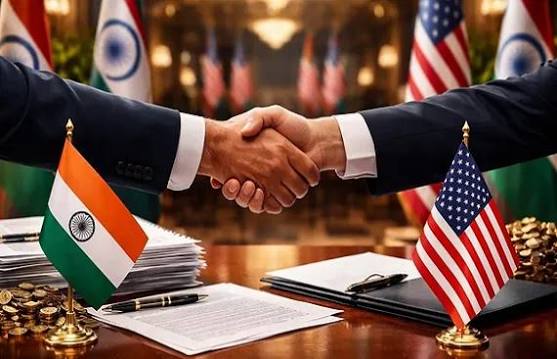
The India and United States are reportedly very near to finalising a bilateral trade agreement, according to Union Commerce and Industry Minister Piyush Goyal, who made the announcement on Thursday. Speaking in London, Goyal indicated that discussions have primarily been completed and both nations have been focusing on the finer aspects of the agreement since February 6.

The ongoing negotiations involve ensuring that India secures favourable tariff treatment compared to its trading competitors. Goyal mentioned that the deal would be signed only once India could confirm a competitive advantage for its exports, stating, “The day the US finds appropriate tools to give us a competitive advantage, the deal is on.”

Goyal’s comments underline the importance of having a robust legal framework that would allow Indian exports to retain a competitive edge over equivalent products from other countries.

Understanding the Delays in Signing the Agreement

The Commerce Minister elaborated on the reasons why the agreement has not yet been signed, despite the broad details being settled months prior. He explained that the delay is related to the necessity of ensuring that Indian exporters do not lose their competitive edge under potential tariff concessions provided to rival nations.

Previously, India had consented to an 18 per cent tariff rate during discussions with the US, but this understanding was contingent upon India receiving preferential treatment in comparison to its competitors. “When India agreed to an 18 per cent tariff rate with the US, it was centred around having a comparative advantage,” Goyal noted, highlighting the strategic nature of these negotiations.

This focus on maintaining a competitive advantage reveals the intricate balance India seeks to achieve in its trade relations with the US, particularly concerning its exporters’ position in the global market.

Defining Competitive Advantage in Trade

Competitive advantage, in the context of this trade agreement, refers to India’s objective of ensuring that its exports are subject to lower or more favourable tariffs than those from competing countries. For instance, should Indian textiles, engineering goods, or pharmaceuticals face lower import duties in the US compared to similar items from nations like Vietnam or Bangladesh, Indian exporters would gain a significant competitive edge in the American marketplace.

The anticipated benefits of this competitive advantage could include increased export levels, expanded market share, and the potential for job creation within India. The proposed trade agreement is expected to address various facets such as tariffs, rules of origin, investment provisions, and enhanced cooperation across multiple sectors.

Additionally, the agreement aims to strengthen economic ties between the US and India, which rank as the world’s largest and fifth-largest economies, respectively. The focus now shifts to whether both parties can effectively resolve the outstanding issues related to tariff preferences and competitive access before the formal signing of the deal.

Long or Short, get news the way you like. No ads. No redirections. Download Newspin and Stay Alert, The CSR Journal Mobile app, for fast, crisp, clean updates!

App Store –  https://apps.apple.com/in/app/newspin/id6746449540 

Google Play Store – https://play.google.com/store/apps/details?id=com.inventifweb.newspin&pcampaignid=web_share

Latest News

Popular Videos
