


New Education Secretary Faces Long-Standing Challenges in Higher Education Reforms
The CSR Journal Magazine

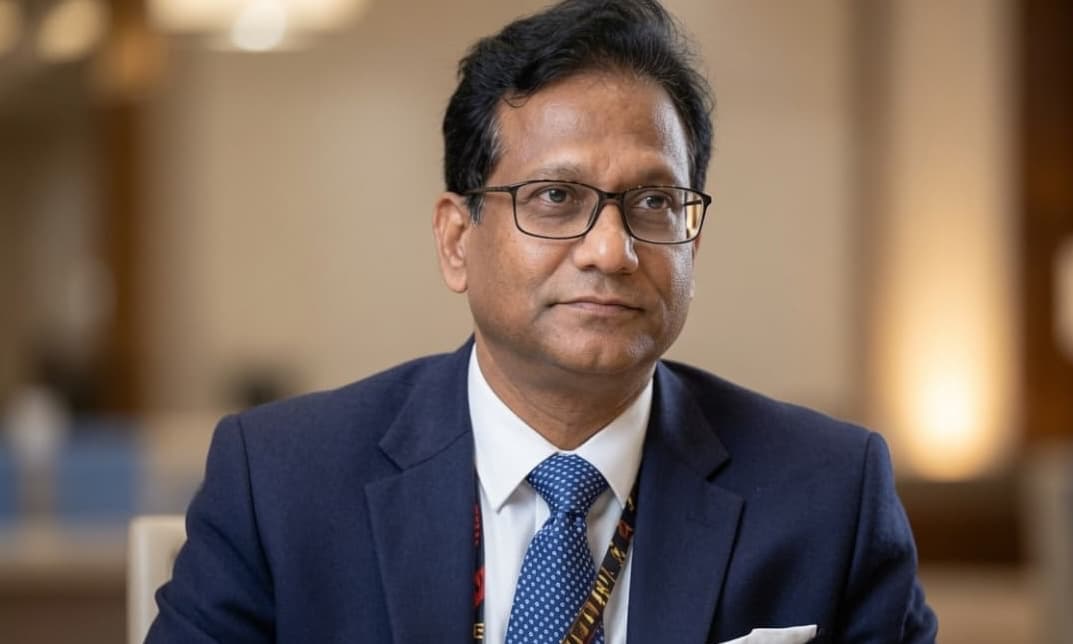
With the appointment of Naresh Pal Gangwar as the new Higher Education Secretary, the Department of Higher Education acknowledges a change in leadership. Gangwar takes over from Vineet Joshi, amidst a backdrop of scrutiny over the ongoing reforms stipulated by the National Education Policy (NEP) 2020. While new leadership may offer renewed momentum, it also comes with the challenge of addressing numerous reforms that are yet to be implemented.

Pending Reforms Under NEP 2020

The NEP 2020 proposed several reforms aimed at enhancing the higher education landscape in India. However, the realisation of these reforms has often been impeded. Notably, one of the flagship ideas was the establishment of a single higher education regulator. The Viksit Bharat Shiksha Adhishthan (VBSA) Bill, which aims to consolidate various regulatory functions, remains under consideration by a Joint Parliamentary Committee. This proposal faces scrutiny regarding issues of university autonomy, funding mechanisms, and centralisation of power.

Another significant aim of NEP 2020 was to demarcate governance into four independent verticals: regulation, accreditation, funding, and academic standards. Despite ongoing discussions, progress towards this transition is stagnant. Universities currently navigate a system where overlapping regulations complicate compliance, thereby hampering operational efficiency.

Further complicating the reform landscape is the rollout of the Academic Bank of Credits (ABC). While this initiative has seen millions of student IDs created, the full implementation of seamless student mobility across institutions remains inconsistent. Many universities have not yet operationalised features such as credit portability or multiple entry and exit paths, necessitating improvements in student experience and inter-institutional transfer procedures.

Challenges for Foreign Universities and Technological Integration

In a bid to enhance academic diversity, the University Grants Commission (UGC) approved regulations for top-ranked foreign universities to establish campuses in India. Although some institutions have announced plans to open branches, regulatory uncertainties regarding land, financial viability, and academic autonomy have delayed broader participation in this initiative.

Meanwhile, the urgent need for digital and examination reforms has been highlighted over the past two years. Issues such as paper leaks and assessment irregularities have brought to light vulnerabilities in the examination environment. The higher education system has yet to implement comprehensive technology-driven and secure examination processes across universities. Governance structures also require strengthening to ensure accountability and transparency alongside the technological upgrades.

As Gangwar takes charge, the Department of Higher Education stands at a critical juncture where immediate concerns regarding examination integrity coincide with the overarching ambition of executing NEP 2020 reforms. The expectation from both students and institutions is that this transition in leadership will foster progress in initiatives that have lingered in policy discussions without significant advancement.

Long or Short, get news the way you like. No ads. No redirections. Download Newspin and Stay Alert, The CSR Journal Mobile app, for fast, crisp, clean updates!

App Store –  https://apps.apple.com/in/app/newspin/id6746449540 

Google Play Store – https://play.google.com/store/apps/details?id=com.inventifweb.newspin&pcampaignid=web_share

Latest News

Popular Videos
