


New Diagnostic Tool Predicts Tuberculosis Death Risk at Diagnosis, Aiding Early Treatment Decisions

The CSR Journal Magazine

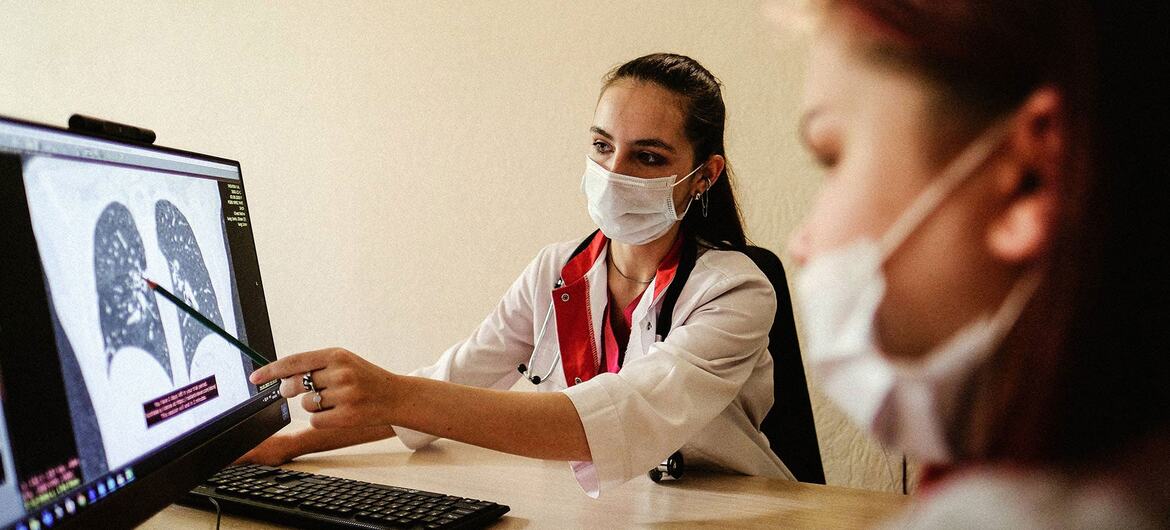
A recent study has introduced a novel tool capable of predicting the risk of death from tuberculosis (TB) at the time of diagnosis. This development may significantly improve patient management and treatment outcomes for those diagnosed with the disease. The research highlights the urgent need for effective risk assessment strategies in tuberculosis healthcare.

Significant Findings From the Study

The study was conducted by a team of researchers who employed a comprehensive approach to evaluate patients diagnosed with pulmonary tuberculosis. It analysed various clinical factors alongside the patients’ health histories to establish a predictive model. This model demonstrated a capacity to provide insights into mortality risk, potentially allowing healthcare providers to implement timely interventions.

According to the research, several factors were found to correlate strongly with increased mortality risk in TB patients. These included age, underlying health conditions, and immunosuppressive status. By assessing these variables at the point of diagnosis, the tool aims to classify patients into different risk categories, thereby facilitating targeted treatment plans.

The researchers noted that early intervention is critical in managing tuberculosis effectively, and this tool could serve as a vital resource for healthcare practitioners. It is particularly crucial in low-resource settings where TB is prevalent, as it would enable prioritisation of treatment for patients at greatest risk of mortality.

Implications for Patient Care

This predictive tool holds several implications for the management of tuberculosis. Firstly, it can enhance the accuracy of patient assessments during the initial diagnosis stage. With higher risk patients identified early, healthcare providers can take swift action to address their specific needs and potential complications associated with TB.

Additionally, the implementation of such predictive models could lead to more efficient resource allocation within healthcare systems. Hospitals could better distribute medical resources, ensuring that individuals who are at higher risk receive immediate and adequate care. This strategic approach is vital in environments where healthcare resources are often limited.

Moreover, the adoption of this tool could potentially reduce overall mortality rates associated with tuberculosis. By emphasising preventive care and rapid intervention, the tool aims to transform the traditional approaches currently employed in TB management. Such shifts in strategy could ultimately contribute to significant public health improvements.

Future Directions and Research Needs

The promising results from this study pave the way for further research into predictive tools for tuberculosis and other diseases. Experts believe that refining this predictive model could enhance its effectiveness, potentially incorporating more sophisticated algorithms or machine learning techniques in the future.

Future studies will also aim to test the tool in diverse populations and settings, further validating its robustness and applicability. By evaluating its performance across various demographics, researchers hope to ensure that the tool is equitable and effective for all groups affected by tuberculosis.

Ultimately, continued research in this area is essential for advancing tuberculosis care and improving outcomes for patients. With ongoing efforts to refine predictive tools, healthcare providers may be better equipped to confront the challenges posed by tuberculosis globally.

Long or Short, get news the way you like. No ads. No redirections. Download Newspin and Stay Alert, The CSR Journal Mobile app, for fast, crisp, clean updates!

App Store –  https://apps.apple.com/in/app/newspin/id6746449540 

Google Play Store – https://play.google.com/store/apps/details?id=com.inventifweb.newspin&pcampaignid=web_share

Latest News

Popular Videos