


Nepal Resumes Tea Exports While Aiming to Enhance Quality and Explore New Markets
The CSR Journal Magazine

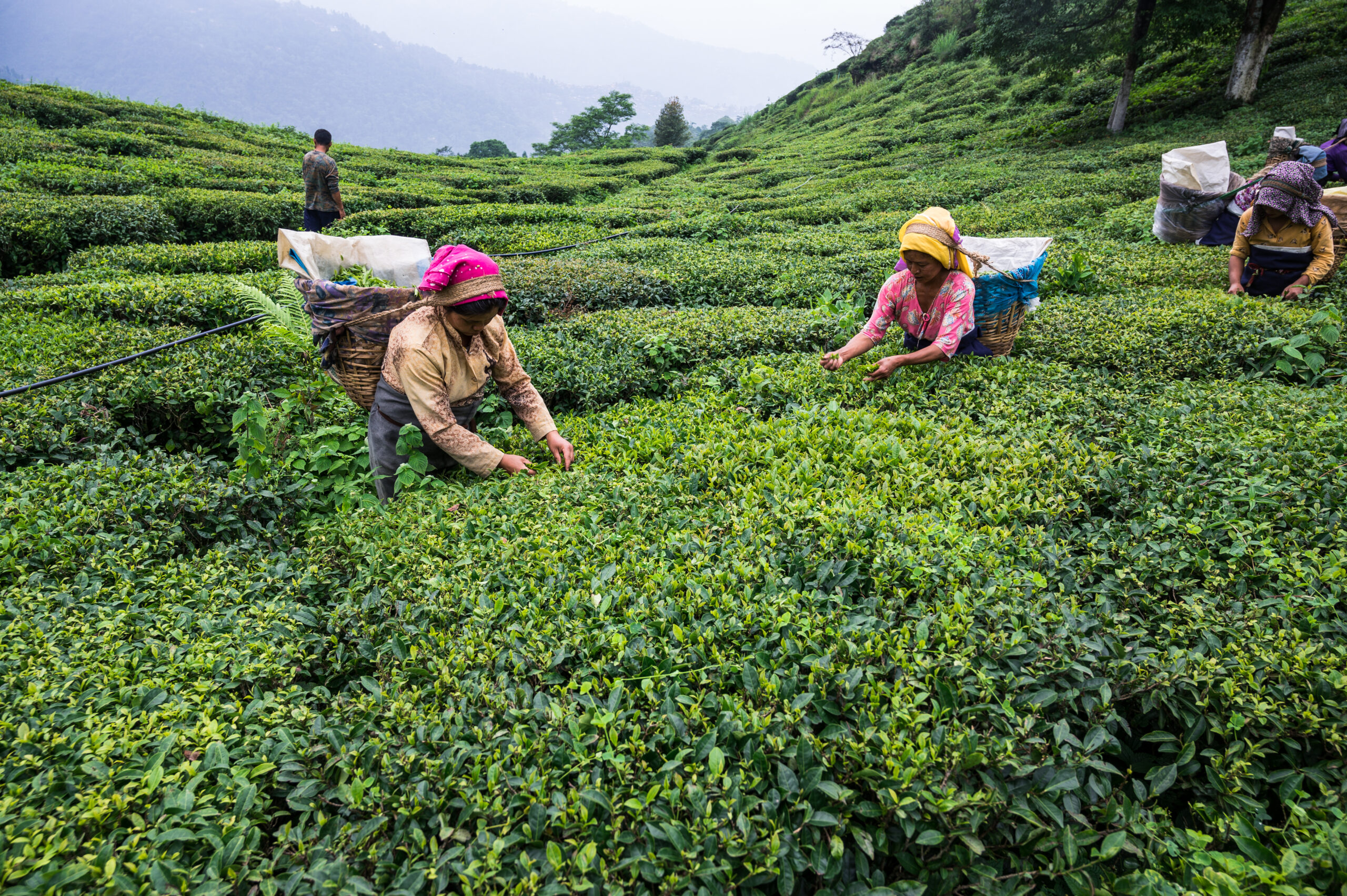
Nepal has resumed tea exports as officials seek to improve product quality and explore new markets following a recent disruption in trade with India. This disruption started on May 1 when Indian authorities imposed stringent testing rules on Nepalese tea products, which halted exports to its southern neighbour. Diplomatic efforts by the Nepali government led to the relaxation of these rules, subsequently allowing tea exports to resume on June 30, 2026.

The current situation highlights the heavy reliance of Nepal on a single export destination, with approximately 86 per cent of its tea being shipped to India. A government task force has been established to evaluate this reliance and provide recommendations for diversification. The report from this task force is expected to advocate for reducing dependence on the Indian market.

Officials noted that while exports to India are crucial, there is an urgent need to broaden the market portfolio. The lessons learned from the recent disruption have motivated the authorities to adopt a more robust approach in ensuring the sustainability of the tea industry.

Focus on Quality and New Markets

The National Tea and Coffee Development Board of Nepal is actively addressing quality control within the tea sector. According to Deepak Khanal, the board’s director and spokesperson, improving tea quality is essential for competing successfully in various international markets. Producers have been urged to enhance the quality of their products to meet global standards.

In light of this focus, alternative markets such as China, Pakistan, the United States, and Europe are being considered for future exports. This strategy aims to reduce vulnerabilities associated with depending primarily on the Indian market. Khanal stated that although new avenues are being explored, the importance of the Indian market in the overall tea trade cannot be understated.

In terms of production, Nepal produces roughly 26.5 million kg of tea annually, including both CTC and orthodox varieties. The tea sector is an important employer, directly providing jobs for over 60,000 individuals. Many of the tea gardens in Nepal, especially those located in the Ilam and Jhapa districts of Koshi Province, rely on senior Indian technicians for various processing tasks, further intertwining the economies of the two nations.

Regulatory Changes and Future Prospects

After the period of stringent testing that disrupted exports, new arrangements have been established regarding the approval process for exports to India. The revised regulations now permit only twenty per cent of consignments to be tested before export approval, indicating a partial easing of the earlier strict measures. This adjustment aims to facilitate smoother trade while maintaining quality assurance standards.

The previous disruption in tea exports has propelled Nepal to concentrate on enhancing quality and expanding market access. The dual approach of improving tea standards and diversifying trade destinations is expected to fortify Nepal’s position in the global tea market, despite the ongoing significance of India as a key partner.

Nepal’s efforts to strengthen its tea industry could lead to a more resilient export market, ultimately benefiting local producers and workers. As the sector evolves, stakeholders remain optimistic about the potential for growth, diversification, and enhanced quality control in the coming years.

Long or Short, get news the way you like. No ads. No redirections. Download Newspin and Stay Alert, The CSR Journal Mobile app, for fast, crisp, clean updates!

App Store –  https://apps.apple.com/in/app/newspin/id6746449540 

Google Play Store – https://play.google.com/store/apps/details?id=com.inventifweb.newspin&pcampaignid=web_share

Latest News

Popular Videos
