


Nepal’s Kami Rita Sets World Record by Climbing Mount Everest for the 32nd Time
The CSR Journal Magazine

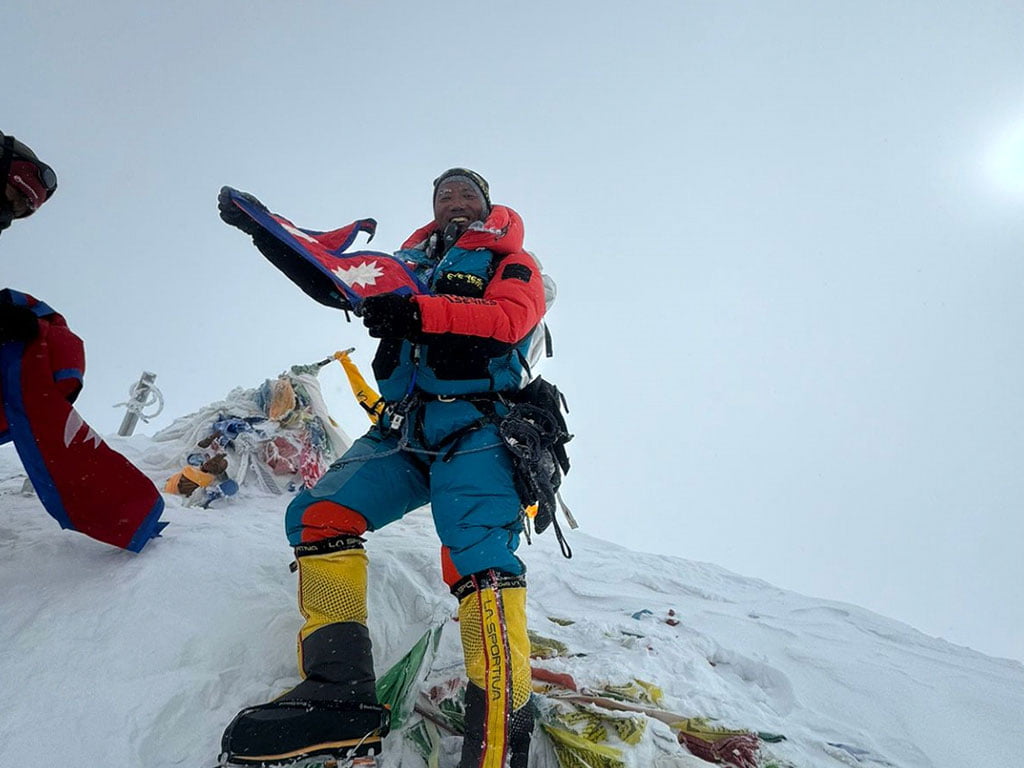
Kami Rita Sherpa, a prominent Sherpa climber and guide from Nepal, has established a new world record by reaching the summit of Mount Everest for the 32nd time. This remarkable achievement occurred on May 17, 2026, at 10:12 a.m. Nepal Standard Time, positioned in the high-altitude Himalayas. At the age of 56, he continues to exemplify leadership and determination in the field of mountaineering.

Officials from Nepal’s Department of Tourism confirmed the successful ascent, highlighting that Kami Rita achieved this milestone whilst leading an expedition organised by 14 Peaks Expedition. The record-breaking climb was part of the bustling Spring 2026 mountaineering season.

Kami Rita, born on January 17, 1970, in Thame, Solukhumbu District, began his illustrious mountaineering career in 1992. He first reached the summit of Everest in 1994, and since then, he has taken part in numerous expeditions, showcasing his skills and experience on other significant peaks, including K2, Cho Oyu, Lhotse, and Manaslu.

Regulations Surrounding Climbing Permits

In light of an increasing number of climbers obtaining permits for Everest, the Nepalese government has made notable changes to its mountaineering regulations. The adjustments were first implemented on February 3, 2025, aiming to address safety and environmental concerns. Among the key changes is the prohibition of solo expeditions on all eight-thousanders, including Everest.

As part of the updated regulations, the cost of permits for foreign climbers seeking to ascend Mount Everest has significantly increased. The new fee for the spring season has risen to $15,000 per person from the previous charge of $11,000. Additionally, adjustments have been made to the royalty fees for expeditions during the autumn and winter seasons, reflecting a broader strategy to enhance the management of climbing activities in the region.

The climbing royalty for Nepali climbers on the standard route during the spring season has doubled from Rs. 75,000 to Rs. 150,000. Notably, these regulatory updates also indicate potential financial benefits for the Nepalese government as climbing activities continue to attract a large number of participants, even amidst rising costs and challenges in the region.

Challenges Faced by Climbers

Despite the heightened interest in climbing Mount Everest, climbers are faced with various challenges that impact their expeditions. The increase in flight costs and logistical difficulties due to ongoing crises in East Asia has created additional barriers to securing expeditions. This situation has compelled climbers to carefully consider the economic aspects of their journeys.

The favourable weather conditions for climbing Mount Everest typically last for only a brief period—approximately two weeks during the spring season. As a result, when inclement weather occurs, the challenges for aspiring climbers can become even more pronounced, leading to potential delays and increased difficulties during their attempts to summit.

Since the initial successful summit by Tenzing Norgay Sherpa and New Zealand’s Edmund Hillary in May 1953, nearly 7,000 climbers have reached the peak from the Nepalese side. This long history of expeditions has made Mount Everest a pivotal destination for mountaineers worldwide, contributing to Nepal’s reputation as a vital centre for adventure tourism.

Long or Short, get news the way you like. No ads. No redirections. Download Newspin and Stay Alert, The CSR Journal Mobile app, for fast, crisp, clean updates!

App Store –  https://apps.apple.com/in/app/newspin/id6746449540 

Google Play Store – https://play.google.com/store/apps/details?id=com.inventifweb.newspin&pcampaignid=web_share

Latest News

Popular Videos
