


Young Bengal Revitalises Rabindra Sangeet With Contemporary Interpretations
The CSR Journal Magazine

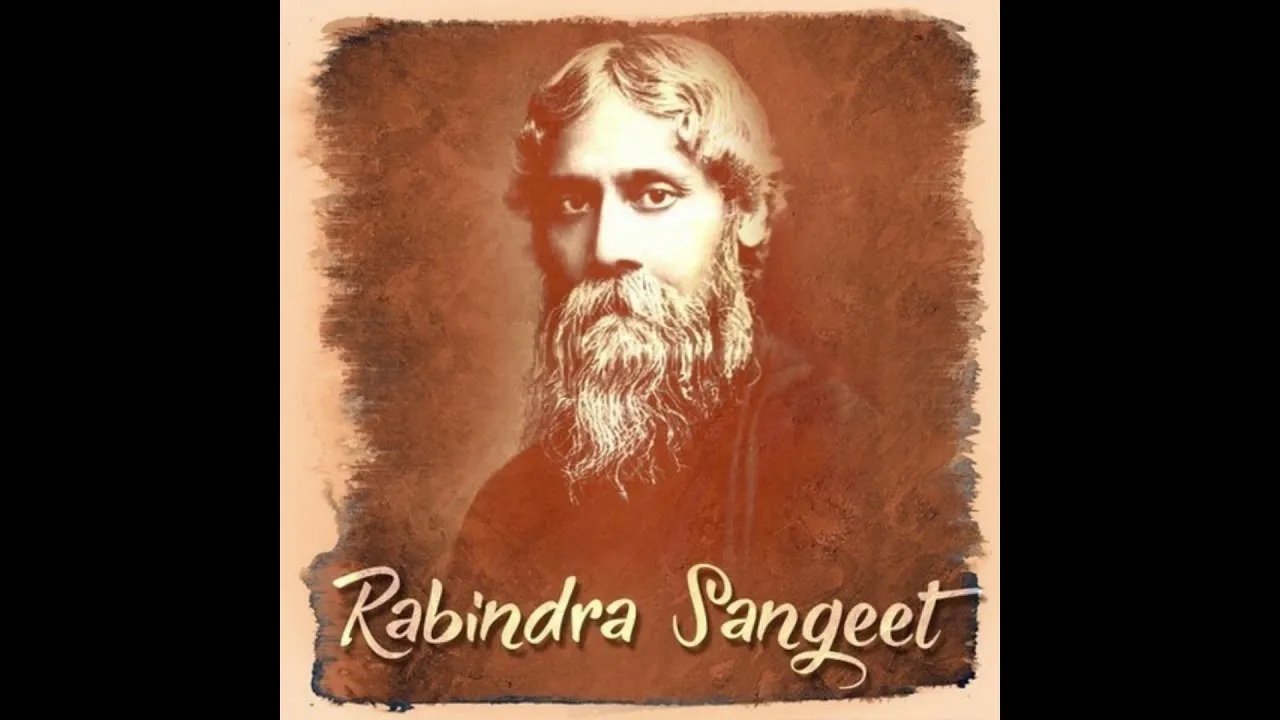
The centuries-old musical tradition of Rabindra Sangeet is finding a new audience as young artists in Bengal experiment with diverse forms of expression. This revival maintains the essence of the genre, which stems from the prolific works of Nobel laureate Rabindranath Tagore. His music comprises a repertoire of over 2,000 compositions, integrating classical ragas and local folk traditions, touching on themes such as love, nature, spirituality, and the breadth of human emotions.

Emerging artists in Kolkata view Rabindra Sangeet as more than mere performances; it is intrinsically linked to their cultural identity. Shubhanita Ghosh, an artist, recounts her deep-seated connection to Tagore’s work, stating that his stories, poems, and songs have shaped her upbringing and continue to influence her artistic journey.

While the younger generation does not merely replicate traditional renditions, they are reinterpreting the music through innovative formats, such as incorporating Bharatanatyam dance into their performances. Jhinuk Mukherjee, a Bharatanatyam artist, asserts that Tagore’s lyrical depth naturally lends itself to modern interpretations, enabling the emotional nuances of his works to resonate with contemporary audiences.

Instrumentation and Modern Arrangements

The revival of Rabindra Sangeet also encompasses the use of traditional instruments and practices. Sukrit Sen, a performer of the Shrikhol—an age-old percussion instrument—feels a personal obligation to sustain this heritage. The Shrikhol is an integral part of Bengal’s Vaishnava tradition, tracing its origins back to the Bhakti movement of the 15th century. Sen articulated that preserving such cultural practices is vital to honouring his roots.

As traditional elements coexist with modern influences, young musicians are incorporating contemporary instrumentation, such as saxophones and guitars, into their performances. This innovative blending aims to introduce Rabindra Sangeet to a broader audience. Artists like Sharoni Poddar are fusing Baul music and Bengali folk sounds with modern arrangements, also contributing new compositions that resonate with younger listeners.

Guitarist Debmalo has highlighted the critical role of digital platforms in bridging the gap between traditional music and its emerging audience. Platforms such as YouTube facilitate a wider reach, allowing traditional compositions to captivate new generations, thus enhancing the visibility of Bengal’s rich musical heritage.

Preserving Heritage While Embracing Change

The evolution of Rabindra Sangeet is indicative of a larger cultural phenomenon, where young artists increasingly utilise contemporary methods and technologies to maintain the relevance of tradition. By infusing their work with dance, modern instruments, fusion styles, and digital canvases, these artists ensure that Bengal’s musical legacy is not only preserved but also evolves over time.

The overarching goal remains consistent: to keep the spirit of Bengal’s musical culture alive and accessible for future audiences. This effort exemplifies the dynamic interplay between tradition and innovation, highlighting the adaptability of Rabindra Sangeet amidst changing cultural landscapes.

Through their imaginative approaches, these young artists are not just revamping Rabindra Sangeet; they are forging a new path that honours the past while looking towards the future. By doing so, they contribute significantly to a vibrant cultural tapestry that reflects both continuity and transformation in Bengal’s musical narrative.

Long or Short, get news the way you like. No ads. No redirections. Download Newspin and Stay Alert, The CSR Journal Mobile app, for fast, crisp, clean updates!

App Store –  https://apps.apple.com/in/app/newspin/id6746449540 

Google Play Store – https://play.google.com/store/apps/details?id=com.inventifweb.newspin&pcampaignid=web_share

Latest News

Popular Videos
