


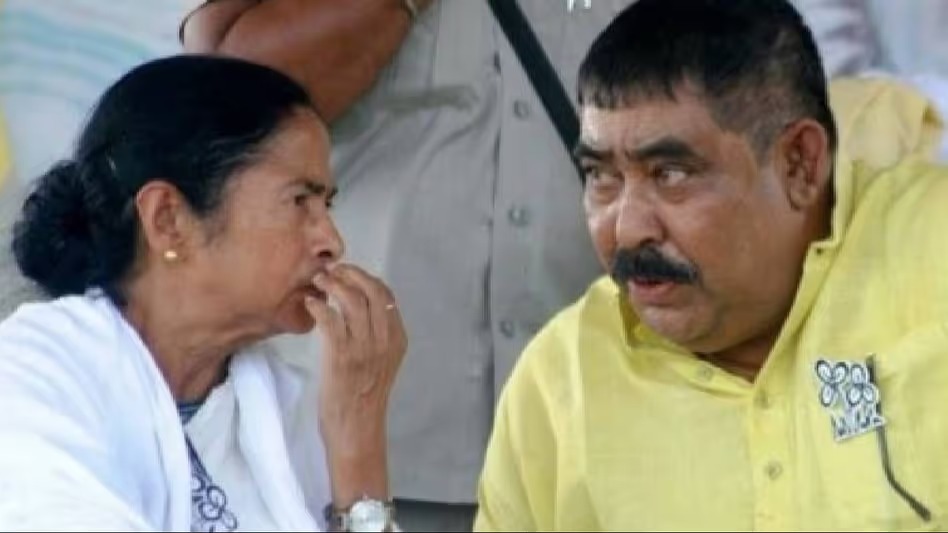

The recent political landscape in West Bengal has witnessed a notable shift, as Anubrata Mandal, a senior leader within the Trinamool Congress (TMC) and influential figure from Birbhum, has joined the rebel camp of the party. This move represents a considerable change within the party dynamics, particularly as Mandal has been a longstanding and powerful presence in the TMC.
Announcement of Mandal’s New Role
The Leader of the Opposition, Ritabrata Banerjee, publicly announced Mandal’s induction into the rebel faction on Saturday, July 11, 2026. This announcement included Mandal’s appointment as the Birbhum district president of the new camp, highlighting his central role in shaping opposition strategies in the area. The decision signifies a critical moment for the TMC, as it grapples with internal dissent.
With Mandal’s extensive influence in Birbhum, his alignment with the rebel faction could potentially reshape the political landscape in the district. Local observers note that his leadership qualities and established connections within the locality have made him a dominant force in TMC. The implications of his shift may resonate widely within both the party and the broader political arena.
As TMC faces challenges related to internal divisions, Mandal’s departure raises questions about the party’s stability and cohesion. The party leadership will need to address these issues to prevent further losses of key figures and maintain its stronghold in the region.
Potential Effects on Birbhum Politics
The induction of Anubrata Mandal into the rebel camp is likely to affect various political dynamics in Birbhum. His longstanding connection with the constituents makes him a critical asset for any political faction claiming his allegiance. With him now on the opposing side, the TMC may have to confront new strategies to mitigate the impact of his influence.
This shift could energise the opposition, providing them with a seasoned leader well-versed in local politics. Additionally, it may embolden other TMC members to consider similar paths, particularly if they perceive dissatisfaction with the current party leadership and direction. The rebel faction’s ability to capitalise on Mandal’s support will be crucial as they seek to build momentum ahead of future electoral contests.
The grassroots support that Mandal has cultivated over many years could also play a significant role in how the electorate perceives the current political scenario. Political analysts have begun to speculate on the possibility of realignment among voters and the potential for shifts in loyalties as a result of his move.
Conclusion and Future Implications
The recent developments surrounding Anubrata Mandal’s alignment with the TMC rebel camp represent a pivotal moment for the party and the broader political climate in West Bengal. His prominent position within the party and his recent defection have drawn attention to the ongoing tensions within TMC and its ability to maintain its influence in the region.
The party leadership now faces the responsibility of addressing these challenges while attempting to solidify their support base. How the TMC navigates this emerging landscape could very well determine the future of the party in West Bengal and set the stage for the next electoral cycle.
Ultimately, the situation will warrant close observation as political narratives evolve and the implications of Mandal’s decision unravel over time. The ongoing responses from both TMC and the opposition factions will be critical in influencing public sentiment and voter behaviour in the months to come.