


Madrasa Board Abolished In Uttarakhand, State Curriculum Mandatory From July
The CSR Journal Magazine

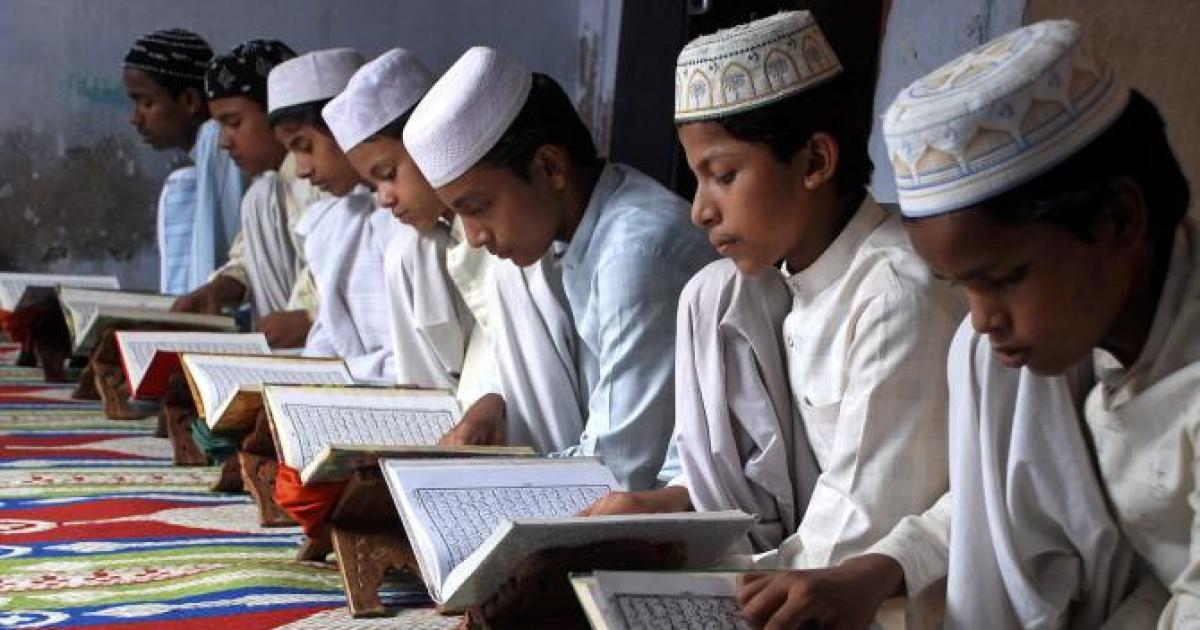
Uttarakhand’s Chief Minister, Pushkar Singh Dhami, has confirmed the abolition of the state’s Madrasa Board. According to the announcement, all madrasas must implement the curriculum set by the Uttarakhand Education Board starting in July 2026. This decision aims to establish a uniform educational framework across the state.

Dhami expressed that this move is a historic step towards modernising education. He stated that madrasas that do not comply with the directive will face closure. This announcement was made during an event held in Haridwar, where Dhami underlined the intention to provide all students with an equal opportunity to learn, irrespective of their religious backgrounds.

Support from Religious Leaders

The announcement received backing from several Hindu religious figures present at the event. Swami Chidanand Muni, affiliated with Parmarth Ashram, praised the initiative, suggesting that it would facilitate the integration of students into the national framework.

Chidanand emphasized that a comprehensive education would combine spiritual values with modern subjects such as science and mathematics. He indicated that this approach would enable students to gain a well-rounded understanding of both national and global issues.

Another prominent figure, Mahant Ravindra Puri, who heads the Akhil Bharatiya Akhara Parishad, adopted a more critical viewpoint. He associated madrasas with various forms of social unrest and suggested that they should be disbanded throughout the nation. His comments, echoed by other seers at the event, called for restrictions on the presence of individuals from other faiths in regions like Uttarakhand and Himachal Pradesh.

Opposition from Muslim Community Leaders

There has yet to be an official response from opposition parties or Muslim organisations regarding the Chief Minister’s announcement. However, leaders within the Muslim community had previously expressed strong opposition to the idea of abolishing the Madrasa Board when it was first suggested by the ruling BJP government.

Maulana Khalid Rashid Firangi Mahali, a member of the All India Muslim Personal Law Board, remarked that the decision to dismantle the Madrasa Board is inherently unlawful. He highlighted that the proposed reforms could have been achieved without disbanding the board, allowing for continued oversight and governance of madrasa education.

Furthermore, All India Muslim Jamaat National President Maulana Mufti Shahabuddin Razvi Barelvi questioned the rationale behind the government’s decision. He pointed out that instead of dissolving the Madrasa Board, the government could have leveraged it to implement necessary changes and manage educational assessments effectively.

Implementation Timeline and Future Considerations

The decision to abolish the Madrasa Board is set to take effect from July 2026. As this date approaches, the implications for madrasa education in Uttarakhand remain a subject of considerable discussion and concern.

While proponents argue that this reform will enhance educational standards, the resistance from within the Muslim community indicates potential challenges ahead. The future trajectory of madrasa education will depend on how effectively the state government manages the transition to the new curriculum.

As the situation develops, it will be important to monitor responses from various stakeholders and the broader societal impact of these educational reforms in Uttarakhand.

Long or Short, get news the way you like. No ads. No redirections. Download Newspin and Stay Alert, The CSR Journal Mobile app, for fast, crisp, clean updates!

App Store –  https://apps.apple.com/in/app/newspin/id6746449540 

Google Play Store – https://play.google.com/store/apps/details?id=com.inventifweb.newspin&pcampaignid=web_share

Latest News

Popular Videos
