


Kerala High Court Rules Oaths in Local Bodies Must Conform to Legal Standards
The CSR Journal Magazine

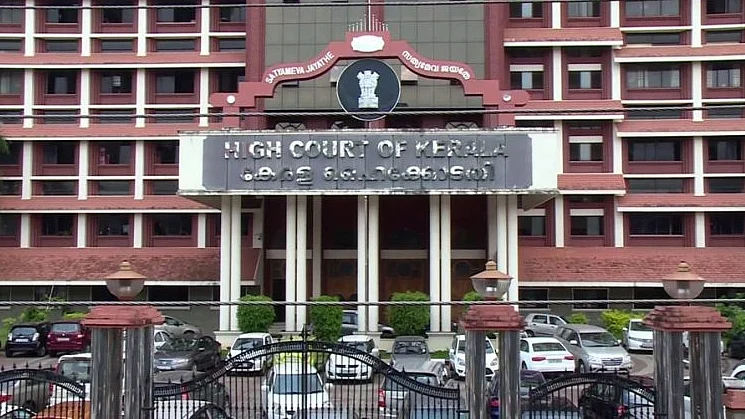
The Kerala High Court delivered a ruling on Wednesday regarding the oath-taking procedure for elected representatives in local governing bodies, asserting that they must adhere strictly to the prescribed legal format. The judgment, presented by Justice PV Kunhikrishnan, invalidated oaths taken by several councillors of the Bharatiya Janata Party (BJP) in the Thiruvananthapuram Corporation, which included names other than “God” or expressions exceeding a solemn affirmation.

The court emphasised that under the Kerala Municipality Act and the Kerala Panchayat Raj Act, elected members are required to take their oaths either “in the name of God” or through a solemn affirmation. Justice Kunhikrishnan highlighted that the statutory wording cannot be expanded to incorporate specific deities, political martyrs, or other individuals and organisations.

The case arose after twenty councillors from the Thiruvananthapuram Corporation took their oaths using the names of various Hindu deities, including “Bharathamba” (Mother India), “Bharatha Matha”, and other significant figures associated with their political context. Additionally, a councillor from the Vadakkencherry grama panchayat in the Palakkad district had taken their oath “by God’s blessing in the name of Oommen Chandy”.

Significance of the Oath

According to the court, administering an oath represents a solemn commitment to the electorate that an elected official will uphold the Constitution, adhere to the rule of law, and serve the public with integrity. This necessitates that the oath-taking be conducted exactly as mandated by law. The judge commented that while citizens are free to worship any deity or adhere to any religious belief, the legally prescribed form of oath does not accommodate additions or substitutions.

Justice Kunhikrishnan reiterated that when legislation specifies a particular form for taking an oath, it is impermissible to broaden the definition of “God”. Nonetheless, the court recognised that the democratic mandate of elected representatives should remain intact. It confirmed that elections held prior to this ruling would remain valid, even though the oaths taken were deemed defective.

The court directed relevant authorities to arrange for the affected councillors and the panchayat member to undertake a new oath in accordance with established legal procedures within four weeks. It noted that no penalties should be imposed on these individuals, citing they acted under a sincere belief that their oath forms were legally acceptable.

Implications of the Judgment

In terms of the specific councillors from the Thiruvananthapuram Corporation, the court determined that their actions thus far would enjoy protection under Section 531 of the Kerala Municipality Act. This provision serves to safeguard their legislative actions, notwithstanding the procedural discrepancies in oath-taking.

Conversely, the court indicated that the Panchayat Raj Act lacks a similar protective clause for the Vadakkencherry grama panchayat member. As a result, the actions taken by this individual prior to this judgment were categorised as invalid, although they have been provided a further opportunity to retake their oath properly.

In concluding the order, Justice Kunhikrishnan referenced the teachings of Sree Narayana Guru and the constitutional principle of secularism. He remarked that while individuals may refer to the Almighty by various names, the law mandates that oaths are taken solely “in the name of God” or through solemn affirmation, devoid of any further elaboration.

Long or Short, get news the way you like. No ads. No redirections. Download Newspin and Stay Alert, The CSR Journal Mobile app, for fast, crisp, clean updates!

App Store –  https://apps.apple.com/in/app/newspin/id6746449540 

Google Play Store – https://play.google.com/store/apps/details?id=com.inventifweb.newspin&pcampaignid=web_share

Latest News

Popular Videos
