


Kejriwal Urges Halt On Petrol And Diesel Vehicle Purchases Amid E20 Fuel Concerns
The CSR Journal Magazine

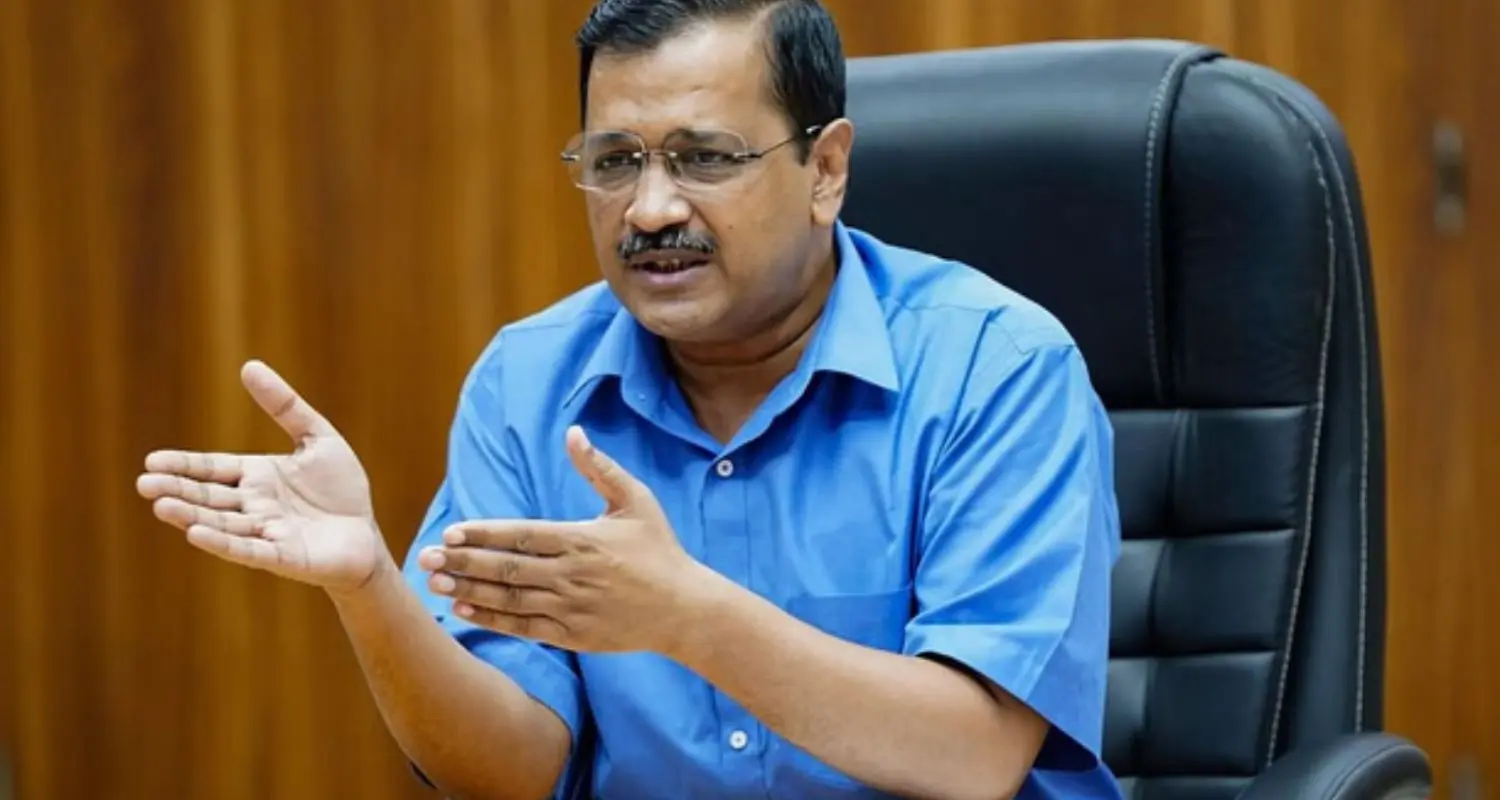
Arvind Kejriwal, the national convenor of the Aam Aadmi Party (AAP), has urged the public to refrain from purchasing petrol and diesel vehicles. This plea follows rising concerns regarding the government’s stance on E20 fuel, which has reportedly not undergone adequate testing prior to its implementation.

During a press conference held in Panaji, Goa, on August 7, Kejriwal expressed his apprehension that the introduction of E20 fuel had led to a considerable decrease in the mileage of various types of vehicles. He claimed that users have experienced a drop in efficiency by approximately 25 to 30 per cent across two-wheelers, cars, and SUVs.

Kejriwal emphasised that clarity is necessary from the government regarding E20 fuel and its impact on vehicle performance. He urged citizens to delay their vehicle purchases until a definitive position has been established by the authorities.

Impact on Goan Residents

Highlighting the unique situation in Goa, Kejriwal noted that the state’s residents are particularly vulnerable to the implications of E20 fuel. He stated that about 45 per cent of households in the region possess a car, while around 86 per cent have a two-wheeler.

He further asserted that it is possible that 85 to 90 per cent of families in Goa could feel the adverse effects of this decision given the high vehicle ownership in the state. These statistics underscore the potential for widespread discontent among Goan families.

Kejriwal attributed the rapid rollout of E20 fuel by the Modi government as a source of dissatisfaction amongst the populace. He mentioned that while only about 7 per cent of Indian households own a car, the numbers in Goa are much higher, thereby exacerbating the issue for local residents.

Comparative International Practices

In his remarks, Kejriwal drew attention to global practices regarding fuel implementation, particularly referencing Brazil as a case study. He pointed out that Brazil took several decades to transition to E20 fuel, showcasing a more gradual approach to such significant policy changes.

Brazil introduced E5 fuel in 1931 and took approximately 50 to 55 years to adopt E20 in 1985. He noted that this measured approach allowed the country to fully adapt to changes over time. Only recently has Brazil started transitioning towards E100, which consists of pure ethanol fuel, facilitated by flex-fuel vehicles capable of running without petrol.

Kejriwal’s comments imply a need for the Indian government to observe similar timelines to ensure a smooth transition to new fuel types. He stated that most countries that have adopted E20 provided themselves with generations to adjust to the changes, thereby reinforcing the argument for a more considered rollout in India.

Long or Short, get news the way you like. No ads. No redirections. Download Newspin and Stay Alert, The CSR Journal Mobile app, for fast, crisp, clean updates!

App Store –  https://apps.apple.com/in/app/newspin/id6746449540 

Google Play Store – https://play.google.com/store/apps/details?id=com.inventifweb.newspin&pcampaignid=web_share

Latest News

Popular Videos
