


Arvind Kejriwal Alleges Centre’s New Law Aims to Suppress Dissent
The CSR Journal Magazine

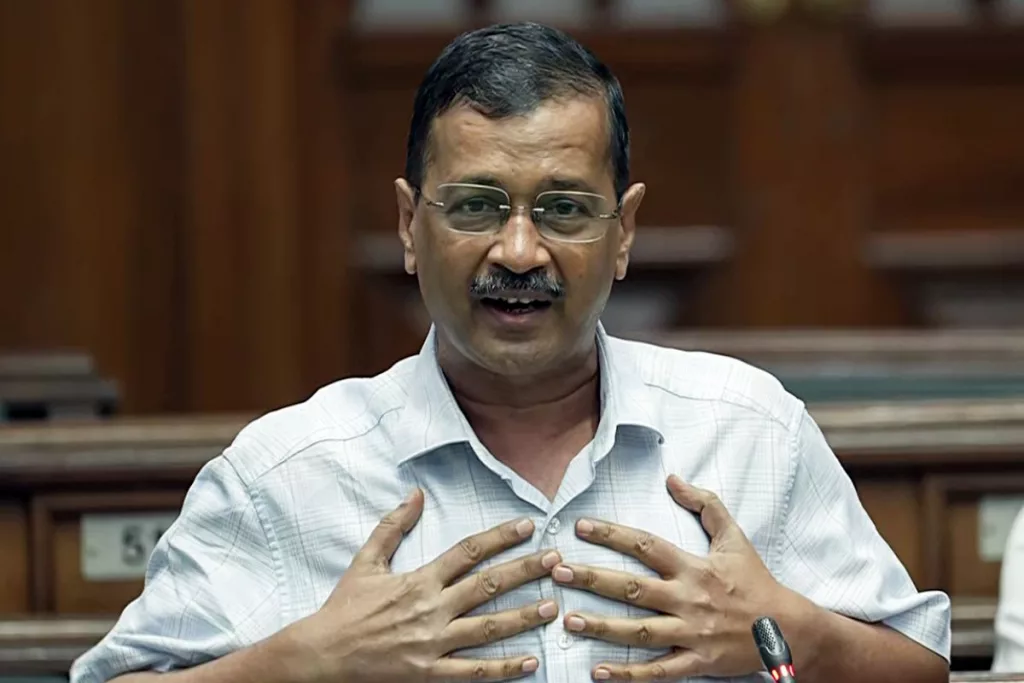
Arvind Kejriwal, the national convenor of the Aam Aadmi Party (AAP), has accused the central government of enacting a social media law intended to stifle dissent. Speaking to supporters on August 7, 2026, in New Delhi, he asserted that Prime Minister Narendra Modi is increasingly fearful of public protests and criticism regarding his administration’s policies.

Kejriwal contended that the new legislation mandates social media platforms to remove flagged content within three hours upon government request. He stated that this extensive power could lead to the swift deletion of posts related to sensitive issues such as corruption, the ethanol policy, and allegations of irregularities in recruitment processes.

He emphasised that while content critical of the government would be rapidly removed, derogatory comments or abusive remarks from individuals aligned with the government would often go unaddressed. This, he argued, reveals a significant bias in the application of the law.

Concerns About Public Dissatisfaction and Protests

Kejriwal expressed that the government’s attempts at suppressing public opinion will not resolve its difficulties but instead could exacerbate public discontent. He remarked that silencing voices will likely lead to increased resentment among the populace, stating that engagement with citizens would yield more positive outcomes. He believes that if the government performs well, the public will naturally commend its efforts.

Highlighting recent demonstrations involving young people and protests at Jantar Mantar, Kejriwal indicated that these events have heightened concerns within the Modi administration. He claimed the Prime Minister’s apprehension is palpable, particularly in relation to the youth and women, a demographic he feels is crucial for genuine change.

According to Kejriwal, a government that fears its citizens is unlikely to endure. He asserted that prolonged suppression of public voices could potentially lead to a backlash, stating, “The more you try to suppress the voices of the people, the stronger their anger will become.”

Implications of the New Social Media Law

The introduction of this social media law has raised significant questions about freedom of expression in India. Critics are worried that it may be used to clamp down on dissent and hinder open dialogue on pressing societal issues. Kejriwal’s views reflect a growing anxiety surrounding the government’s approach to managing criticism, especially in the digital age.

In his remarks, Kejriwal underscored that the nature of governance must involve listening to the people. He posited that dismissing valid criticisms can undermine the legitimacy of any government. The implications of this law, he argued, could be far-reaching, affecting not just political discourse but also the broader democratic fabric of the nation.

As the public reaction continues to unfold, it remains to be seen how this law will function in practice and its potential impact on social media users. The situation underscores the ongoing tension between state authority and individual liberties in India, raising critical discussions about the future of freedom of speech.

Long or Short, get news the way you like. No ads. No redirections. Download Newspin and Stay Alert, The CSR Journal Mobile app, for fast, crisp, clean updates!

App Store –  https://apps.apple.com/in/app/newspin/id6746449540 

Google Play Store – https://play.google.com/store/apps/details?id=com.inventifweb.newspin&pcampaignid=web_share

Latest News

Popular Videos
