


Karnataka High Court Accepts Ranveer Singh’s Apology Over Kantara Mimicry Incident
The CSR Journal Magazine

The Karnataka High Court has formally accepted actor Ranveer Singh’s unconditional apology related to his mimicry performance at the 56th International Film Festival of India. On April 25, Singh submitted a revised affidavit, which prompted the court to indicate its intent to resolve the case. The High Court has mandated that Singh pay a visit to the Chamundeshwari temple in Mysore within a four-week timeframe.

Details of the Allegations

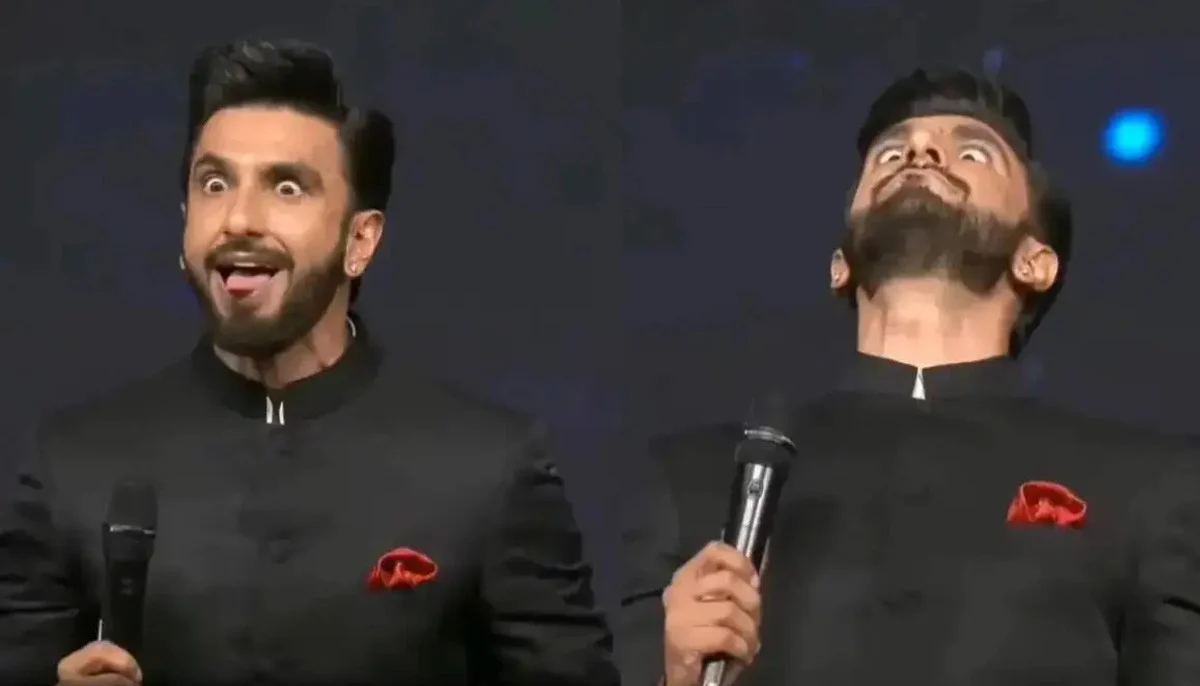
The case stems from an FIR lodged against Singh, which accused him of mimicking Rishab Shetty’s character from the film Kantara: Chapter 1. This incident occurred during the film festival in Goa last year. Critics claimed that Singh’s actions were disrespectful and insulted religious sentiments. Specifically, he was alleged to have referred to the deity associated with the temple as a female ghost, thereby offending numerous devotees.

In his remarks at the event, Singh attempted to commend the film but inadvertently referred to the daivas—entity representations crucial to the Bhoota Kola tradition of coastal Karnataka—as ghosts. He stated, “I watched Kantara Chapter 1 in theatres, and Rishab, it was an outstanding performance, especially when the female ghost (Chamundi daiva) enters your body — that shot was amazing.” His mimicry of Shetty’s portrayal further exacerbated the situation, prompting a reaction from the audience and community.

Following the backlash, a complaint was lodged by a member of a Hindu organisation, arguing that Singh’s comments were disrespectful to the daivas. In response to the growing outrage, he issued an apology via his Instagram Stories, yet the complaint remained active, leading him to seek legal redress.

Court Proceedings and Apology

Singh approached the Karnataka High Court in February to contest the FIR filed against him. His petition sought to quash the legal action initiated based on a complaint from an advocate, which invoked several sections of the Bharatiya Nyaya Sanhita, 2023. These sections relate to promoting enmity between groups, acts prejudicial to harmony, and other deliberate actions intended to offend religious sentiments.

On April 10, before the court’s acceptance of his apology, Singh had informed the justices that he planned to meet with the complainant to refine the language of the apology affidavit. This decision followed criticism from the complainant, who contended that the initial affidavit failed to convey authentic contrition.

With the submission of a revised affidavit indicating his remorse, the court has now moved towards the conclusion of this matter. The directive for Singh to visit the Chamundeshwari temple is seen as part of a broader effort to address the hurt caused by his earlier actions.

Conclusion of the Case

This development in Ranveer Singh’s legal situation underscores the complexities surrounding the intersection of entertainment and cultural sensitivities. The court’s acceptance of his apology and the requirement to visit the temple reflect an attempt to reconcile the actor’s actions with the sentiments of those who felt offended. The community’s responses to such incidents continue to shape ongoing discussions about representation and respect in the entertainment industry.

As legal matters conclude, Singh’s experience serves as a reminder for public figures regarding the impact of their words and actions. The case raises questions about cultural interpretation and the responsibilities of artists in navigating sensitive themes within their work.

Long or Short, get news the way you like. No ads. No redirections. Download Newspin and Stay Alert, The CSR Journal Mobile app, for fast, crisp, clean updates!

App Store –  https://apps.apple.com/in/app/newspin/id6746449540 

Google Play Store – https://play.google.com/store/apps/details?id=com.inventifweb.newspin&pcampaignid=web_share

Latest News

Popular Videos
