


Japan Develops Floating Wind Turbines For Deep Waters
The CSR Journal Magazine

Japan is renowned for its advanced technology and commitment to renewable energy sources, particularly following the Fukushima nuclear disaster in 2011. The nation has made significant strides towards reducing its dependence on fossil fuels and enhancing energy security. As part of its strategy, Japan has focused on harnessing wind energy, which has emerged as a promising resource in light of its geographical and climatic advantages.

However, the quest for sustainable energy has revealed challenges, particularly regarding the installation of traditional fixed offshore wind turbines. The depth of Japan’s coastal waters often exceeds the limits of standard turbine foundations, making it challenging to deploy these systems. Thus, novel solutions have been sought to effectively utilise the vast adjacent ocean.

Technological Innovations in Wind Energy

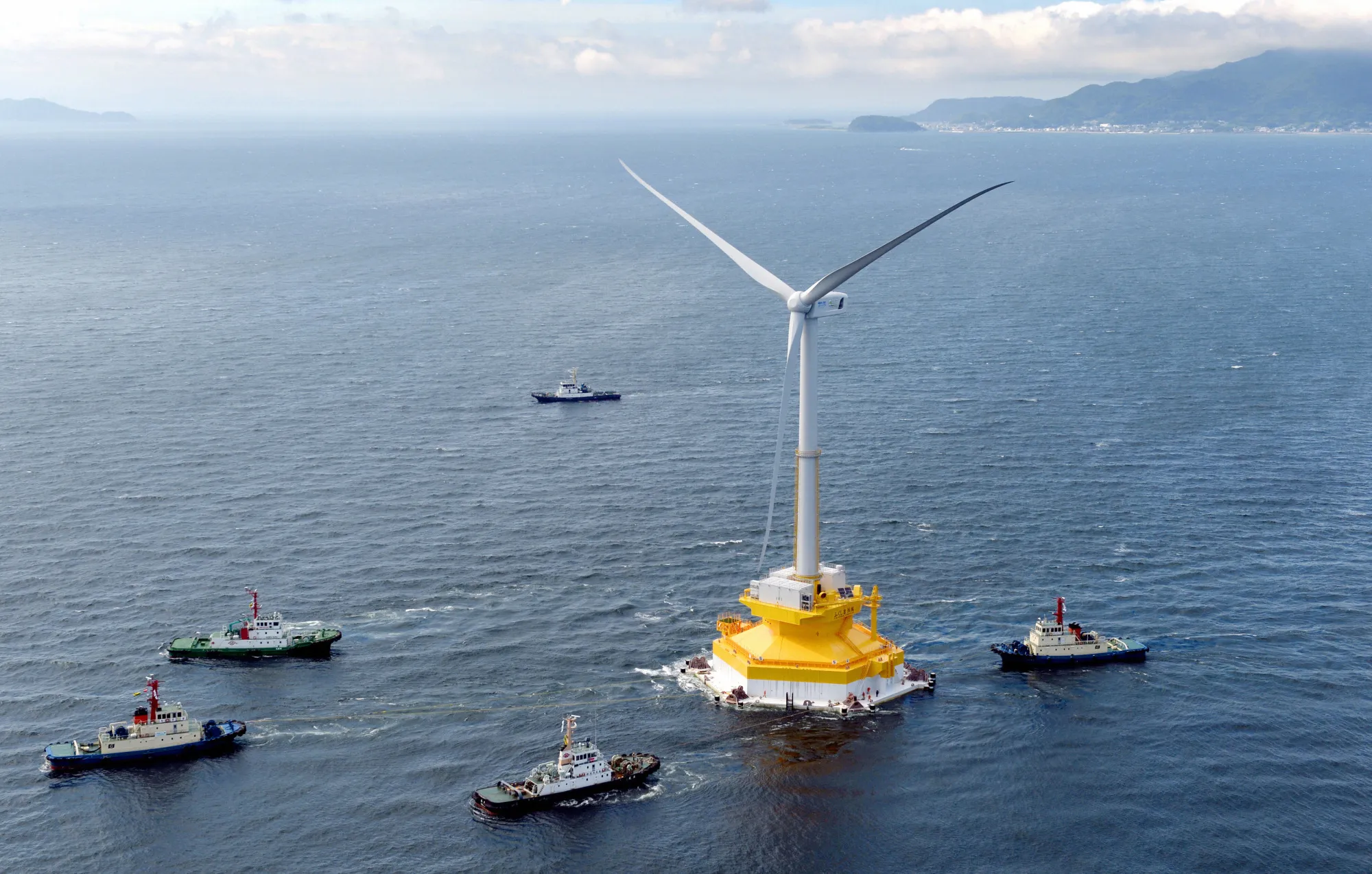
To address the limitations posed by deep waters, Japan has turned its attention to floating wind turbine technology. This innovative approach allows turbines to be anchored to the sea floor using flexible mooring systems, enabling them to operate in deeper waters where fixed-bottom turbines are not feasible.

The floating turbines are designed to be more adaptable to varying sea conditions, which is a significant advantage over conventional models. These structures can harness the powerful winds typically found farther offshore, thereby increasing energy production rates. Engineering firms and research institutions in Japan are actively engaged in developing, testing, and optimising these floating systems.

Recent reports indicate that Japan aims to have up to 1 GW of floating wind power capacity in operation by 2030, demonstrating its commitment to embracing this cutting-edge technology. Collaborative efforts between the public and private sectors are pivotal in bringing these projects to fruition, focusing on both economic and environmental sustainability.

Environmental and Economic Impacts

The adoption of floating wind turbines is expected to have significant environmental benefits. By generating clean energy from wind, Japan aims to reduce greenhouse gas emissions and combat climate change. The transition to renewable energy sources is crucial as the country seeks to meet its Paris Agreement commitments and transition towards a low-carbon economy.

Economically, the development of floating wind farms is anticipated to create job opportunities in various sectors, from engineering to installation and maintenance. Furthermore, as the technology matures, costs are expected to decrease, making renewable energy more accessible and competitive against traditional energy sources.

International collaboration may play a substantial role in the success of Japan’s floating wind projects. The sharing of expertise and technological advancements from countries that have experience in floating wind energy can facilitate faster implementation and enhance the overall effectiveness of these initiatives.

Future Outlook and Challenges

Looking ahead, the future of floating wind turbines in Japan appears promising but not without challenges. While the technology is advancing, regulatory hurdles and the need for robust infrastructure are critical considerations. Ensuring the safety and reliability of these structures in harsh marine conditions remains a priority for engineers and policymakers alike.

Moreover, public acceptance and collaboration with local communities are essential factors that will influence the development of wind farms. Engaging stakeholders early in the planning process will help address concerns and foster support for renewable energy projects.

As Japan continues to explore and expand its floating wind energy capacity, the success of these initiatives will represent a significant step forward in the transition to sustainable energy and in the global fight against climate change. The commitment to adopt innovative solutions will likely set a precedent for other nations with similar geographical challenges.

Long or Short, get news the way you like. No ads. No redirections. Download Newspin and Stay Alert, The CSR Journal Mobile app, for fast, crisp, clean updates!

App Store –  https://apps.apple.com/in/app/newspin/id6746449540 

Google Play Store – https://play.google.com/store/apps/details?id=com.inventifweb.newspin&pcampaignid=web_share

Latest News

Popular Videos
