


Jaipur Implements AI-Driven Traffic Management System
The CSR Journal Magazine

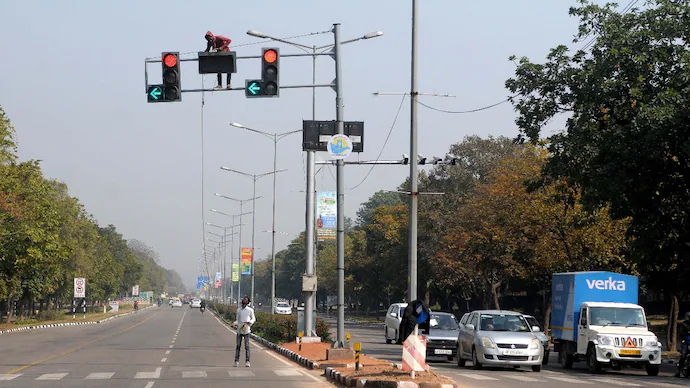
Jaipur is set to advance its traffic management by adopting an AI-powered Intelligent Traffic Management System (AI ITMS). This initiative follows a successful 39-day pilot project at Rambagh Circle, where the system demonstrated its ability to manage vehicle flow without human input. Traditional fixed-timer traffic signals are being replaced, aiming to enhance efficiency and reduce congestion.

The new AI traffic signals are capable of analysing real-time traffic density, adjusting signal timings automatically. This automation optimises traffic flow and diminishes unnecessary delays at intersections, which is expected to significantly improve commuting times for residents.

The Jaipur Police have announced plans to implement this system across 253 of the city’s 423 traffic junctions, marking a transformative shift towards smart traffic solutions in the region. This initiative is representative of a larger movement to leverage technology in urban management across India.

Functionality of the AI Traffic System

The AI ITMS operates on principles distinct from traditional traffic management. Instead of fixed timers, it employs smart cameras that monitor vehicle counts and queue lengths continuously. On roads experiencing heavier traffic volumes, the duration of green signals is increased, while lesser-used roads see reduced green light times. This real-time adaptation promotes smoother vehicular movement throughout the day.

Overseeing the project, Rajasthan Police has engaged in collaboration with Data Core Infotech, with the initiative spearheaded by Director General of Police Rajeev Kumar Sharma and monitored by Jaipur Traffic DCP Yogesh Goyal. The trial successfully managed an impressive volume of over 4.88 lakh vehicles during the designated period from June 3 to July 11, 2026.

Outcomes from the pilot project indicated significant gains for drivers, with average time savings ranging from eight to 45 seconds per lane. It was reported that the average duration of green signals was recorded at 33.63 seconds, which also contributed to a decrease in carbon emissions during the trial. Approximately 2,535 kg of carbon dioxide was reportedly avoided over the trial duration.

Future Developments in Traffic Management

The AI system is designed to go beyond merely managing traffic signals. In addition to real-time adjustments, each camera is reported to read around 4,200 vehicles daily, identifying approximately 450 traffic violations such as overspeeding and lane infractions. The capability of the system to scan number plates enables immediate alerts to the control room for vehicles with outstanding penalties.

Following the promising results of the trial, plans to extend the AI ITMS to major intersections are in place. Future phases will facilitate communication between connected junctions, allowing for enhanced traffic management across broader routes rather than just at individual intersections. This upgrade aims to streamline the overall traffic flow across the city.

Moreover, enhancements to the system will ensure priority passage for emergency vehicles, including ambulances and fire brigade units, via automatic green signal activation. This feature is intended to expedite response times during emergencies, thereby potentially saving lives in critical situations.

Long or Short, get news the way you like. No ads. No redirections. Download Newspin and Stay Alert, The CSR Journal Mobile app, for fast, crisp, clean updates!

App Store –  https://apps.apple.com/in/app/newspin/id6746449540 

Google Play Store – https://play.google.com/store/apps/details?id=com.inventifweb.newspin&pcampaignid=web_share

Latest News

Popular Videos
