


Israel and Lebanon Ceasefire Extended, Says White House
The CSR Journal Magazine

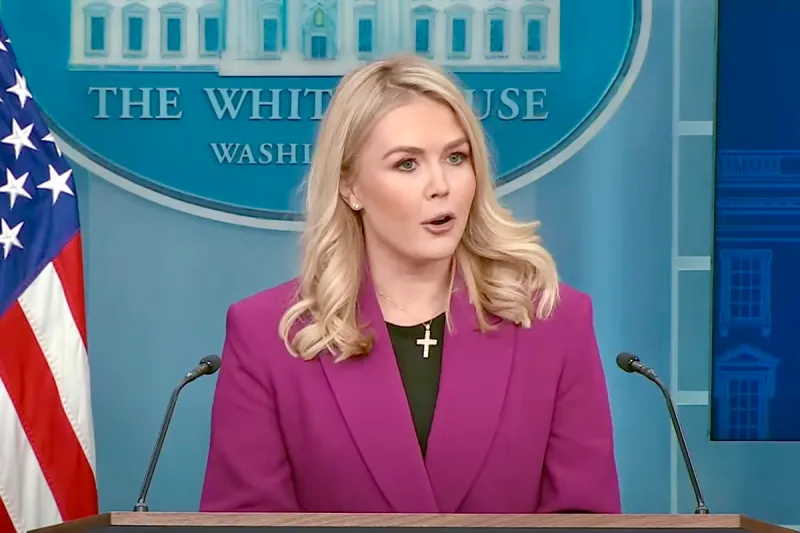
The White House has confirmed that Israel and Lebanon have extended their ceasefire, marking a significant development in ongoing peace efforts in the region. White House Press Secretary Karoline Leavitt announced this extension during a press briefing on April 25. She described the event as a positive sign for global stability and a testament to the ongoing diplomatic efforts spearheaded by the United States.

Reactions from the White House

On the potential for continued negotiations, she said, “We’re very grateful to both Israel and Lebanon for choosing to work together and continuing these conversations, and we hope that there will be a day where we welcome the leaders of both countries.” These remarks underline the importance placed on diplomacy within the broader context of Middle Eastern relations.

The extension of the ceasefire is viewed as a step forward amidst ongoing tensions, with the hope that such initiatives may contribute positively to peace discussions involving other regional actors.

High-Level Talks Preceding the Decision

Leading up to the announcement, US President Donald Trump mentioned that a meeting took place with high-ranking officials from both Israel and Lebanon. He indicated that these discussions were instrumental in securing the additional period of ceasefire, which spans three weeks. Trump’s comments reflect the administration’s engagement in Middle Eastern diplomacy, focusing on stabilising the region.

During his briefing, Trump noted, “We had a great meeting with the very high officials of Lebanon and the very high officials of Israel, and I think that the president of Lebanon and the prime minister of Israel, over the next couple of weeks, will be coming here.” This implies a further commitment to direct engagement between the leaders of both countries in the near future.

While hopeful about the ceasefire’s sustainability, Trump acknowledged the ongoing challenges, particularly with groups such as Hezbollah. He remarked, “It’s not going to happen between them, but we still have Hezbollah to think about.” The mention of Hezbollah highlights the complexities that remain in achieving lasting peace in the region.

Implications for Regional Peace Efforts

The extension of the ceasefire can be seen as part of broader US strategies aimed at fostering dialogue in a historically fraught geopolitical landscape. Leavitt’s comments underlined the US commitment to supporting peaceful resolutions and providing a platform for meaningful discussions.

As both nations navigate the intricate dynamics of their relationship, the continued dialogue could pave the way for future agreements and understanding. The situation remains delicate, and the US administration appears to be taking a proactive role in mediating to ensure the ceasefire’s longevity.

This recent development in ceasefire negotiations adds to a growing list of diplomatic efforts aimed at stabilising the Middle East. As global attention focusses on these efforts, the long-term effectiveness of such negotiations will be a point of interest for international observers and stakeholders alike.

Long or Short, get news the way you like. No ads. No redirections. Download Newspin and Stay Alert, The CSR Journal Mobile app, for fast, crisp, clean updates!

App Store –  https://apps.apple.com/in/app/newspin/id6746449540 

Google Play Store – https://play.google.com/store/apps/details?id=com.inventifweb.newspin&pcampaignid=web_share

Latest News

Popular Videos
