


Iran Rejects US Nuclear Proposal Amid Diplomatic Tensions
The CSR Journal Magazine

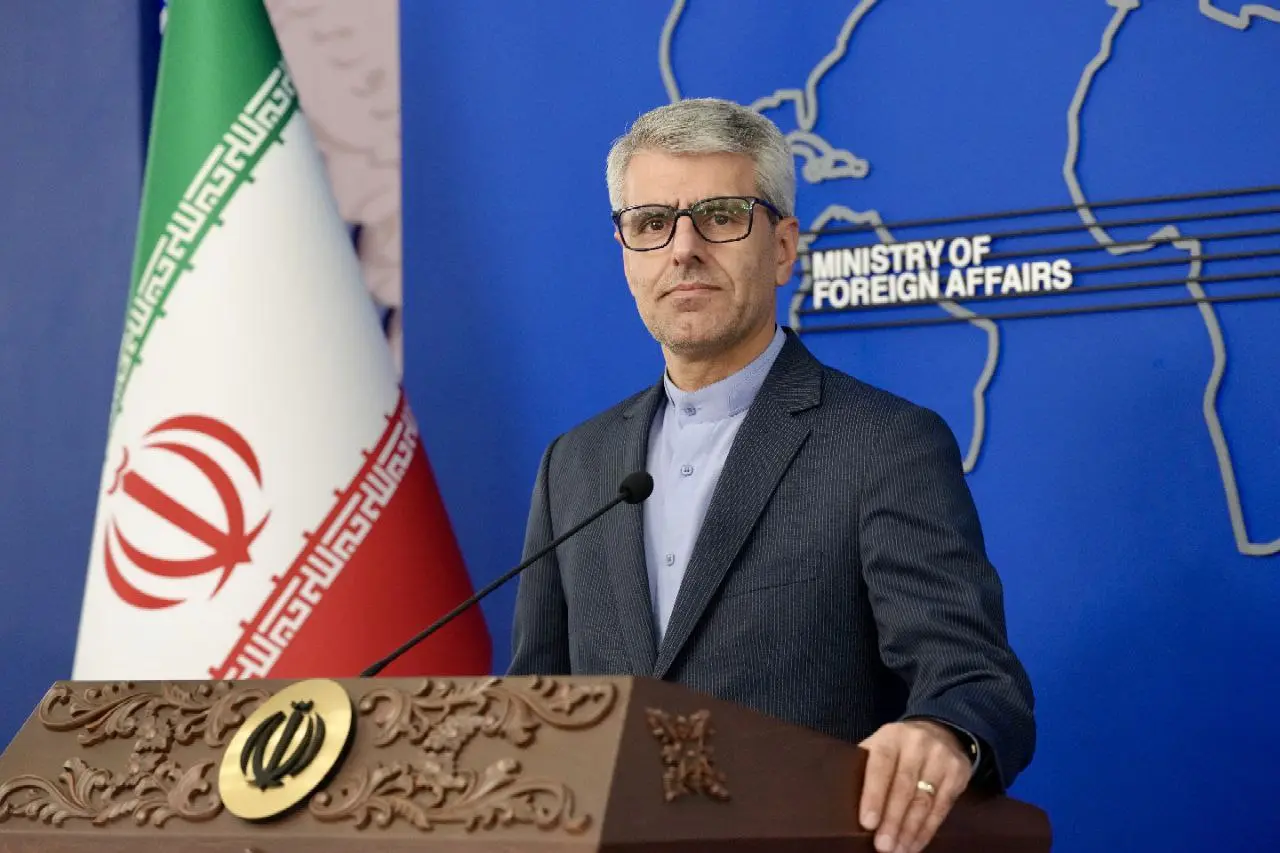
In a significant diplomatic moment, Iran publicly rejected the United States’ recent nuclear proposal, with President Trump denouncing the offer as “totally unacceptable.” In light of these events, India Today Global secured an exclusive interview with Esmail Baghaei, a key figure in Iran’s foreign policy, who spoke freely on a variety of pressing issues including the ongoing nuclear negotiations and regional tensions.

Baghaei highlighted that Iran’s counterproposal aims to prioritise the cessation of conflict and the reopening of the Strait of Hormuz, followed by discussions on nuclear matters. He stressed that the US approach has historically been one of imposition rather than negotiation.

The Iranian official emphasized that the United States has effectively disrupted nuclear discussions on multiple occasions, claiming that Iran has never been the party to withdraw from negotiations.

Closure of the Strait of Hormuz Blamed on US Actions

Baghaei contended that the recent closure of the Strait of Hormuz cannot be attributed to Iran but rather to the US military actions in the region. He noted that prior to February 28, the strait was open for navigation. He asserted Iran’s actions were a necessary response to earlier aggressions by the US and Israel in the Persian Gulf.

The Iranian official described the situation as a violation of international law, contending that any blockade constituted an act of war. He expressed Iran’s willingness to take decisive measures to ensure the security of its maritime territory and called for accountability from the international community regarding the actions of aggressor nations.

In light of the increased tensions, Baghaei underscored the importance of international diplomatic efforts to restore stability in this critical waterway, which has far-reaching implications for global energy supplies.

Israel’s Nuclear Status and Iran’s Defence Readiness

During the interview, Baghaei labelled Israel as a significant nuclear threat in the region, stating that it is the only state outside the Nuclear Non-Proliferation Treaty (NPT) and is widely believed to possess nuclear weapons. He expressed disbelief at Israel’s insistence that Iran terminate its peaceful nuclear programme.

Baghaei indicated that Iran’s military capabilities should not be underestimated, rebutting Trump’s claims about Iran’s military being decimated. He asserted that Iran has numerous undisclosed military strategies available to counter any aggression.

He further stated that it is the US that faces international isolation, not Iran, given the global scrutiny on the legality of the current military actions by the US and Israel.

Baghaei reaffirmed Iran’s position as a responsible state, committed to its obligations under international law while remaining firm against what he termed unjust aggression. He asserted that the ongoing political landscape is witnessing a shift in geopolitical alliances, with various countries, including members of BRICS, reassessing their positions in light of recent developments.

As discussions continue, India’s energy security remains a priority concern in the face of escalating tensions. The outcome of negotiations surrounding the Strait of Hormuz is set to have profound implications for global energy markets, particularly for countries highly reliant on this vital maritime corridor.

Long or Short, get news the way you like. No ads. No redirections. Download Newspin and Stay Alert, The CSR Journal Mobile app, for fast, crisp, clean updates!

App Store –  https://apps.apple.com/in/app/newspin/id6746449540 

Google Play Store – https://play.google.com/store/apps/details?id=com.inventifweb.newspin&pcampaignid=web_share

Latest News

Popular Videos
