


Iran and Oman Progress Plans for Strait of Hormuz Transit Fees Amid US Objections
The CSR Journal Magazine

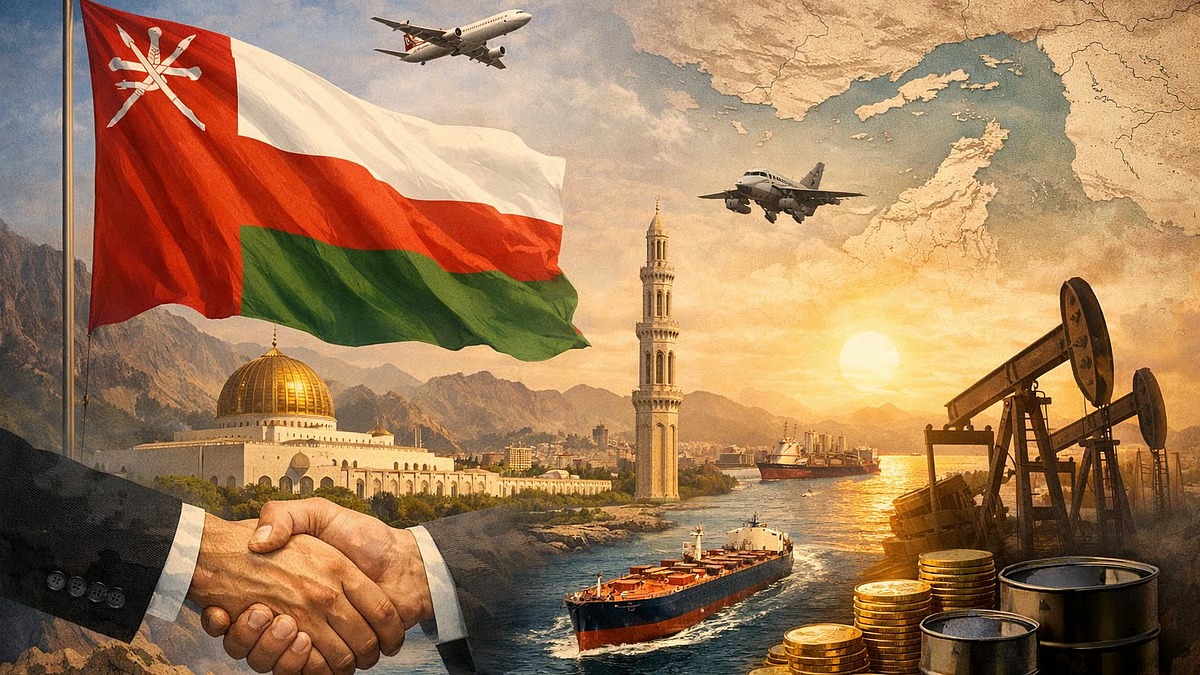
Iran and Oman are advancing their plans to implement fees for vessels transiting the strategically significant Strait of Hormuz, despite opposition from the United States. This initiative, reported by The New York Times, marks a substantial shift from the previous arrangements where commercial ships passed freely while transporting oil and gas from the Persian Gulf to global markets.

The geopolitical landscape dramatically changed earlier this year when Iran enforced a blockade on the Strait, disrupting a vital corridor for maritime trade and causing a significant increase in global energy prices. Following this period of unrest, Iranian officials have consistently stated their intention to monetise the waterway.

The proposal, formally submitted by Oman to the US and its Western allies, outlines a framework under which maritime transport companies would pay fees to cross the Strait, indicating a deliberate step towards regulatory changes within this critical region.

Responses from the United States and Iran

An individual familiar with the US stance indicated that American negotiators have reviewed the proposal and are set to discuss their concerns with Omani officials. Interestingly, the report notes a distinction in the proposals, with Iranian officials asserting that any payments would be mandatory, while Omani representatives referred to them as voluntary service fees.

The governance of the Strait of Hormuz remains a crucial topic in discussions between Washington and Tehran, particularly as both sides work toward securing a permanent peace treaty. The Omani framework reportedly draws inspiration from systems used in the Straits of Malacca and Singapore, where private foundations collect voluntary contributions to support maritime safety.

In a recent statement, Iran’s Deputy Foreign Minister, Kazem Gharibabadi, emphasised Tehran’s commitment to finalising an agreement with Oman regarding the joint management of the shipping lane. However, he also issued a warning that Iran would take unilateral actions if Oman did not agree to a shared framework.

Historical Context and Geopolitical Implications

Oman has a long-standing role as a diplomatic intermediary between the US and Iran, striving to maintain neutrality amid regional tensions. Following reports in May that Oman was in talks with Iran about the imposition of service fees, former US President Donald Trump expressed strong opposition, stating he would respond aggressively if Oman did not align itself with broader US interests.

Trump also categorised the notion of imposing tolls for passage through the Strait as “unacceptable.” It remains ambiguous whether the current US administration will support the proposed voluntary service fees, particularly in light of a recently signed framework peace accord that guarantees free passage for commercial vessels in the strait for 60 days while negotiations are ongoing.

As part of this agreement, Iran and Oman are required to enter discussions about the future oversight of the Strait once the initial period concludes. The ongoing dialogue underscores the importance both nations place on the partnership, as expressed by American negotiators who see potential for resolving the concerns surrounding the current proposals through further technical discussions.

It is claimed by European diplomats that Omani officials positioned the proposal as a contingency plan to ensure uninterrupted maritime trade in the event that hostilities continued, reflecting the complexity of the situation in the region.

Long or Short, get news the way you like. No ads. No redirections. Download Newspin and Stay Alert, The CSR Journal Mobile app, for fast, crisp, clean updates!

App Store –  https://apps.apple.com/in/app/newspin/id6746449540 

Google Play Store – https://play.google.com/store/apps/details?id=com.inventifweb.newspin&pcampaignid=web_share

Latest News

Popular Videos
