


Iran Defends Closure of Strait of Hormuz, Expresses Regret Over Impact on India
The CSR Journal Magazine

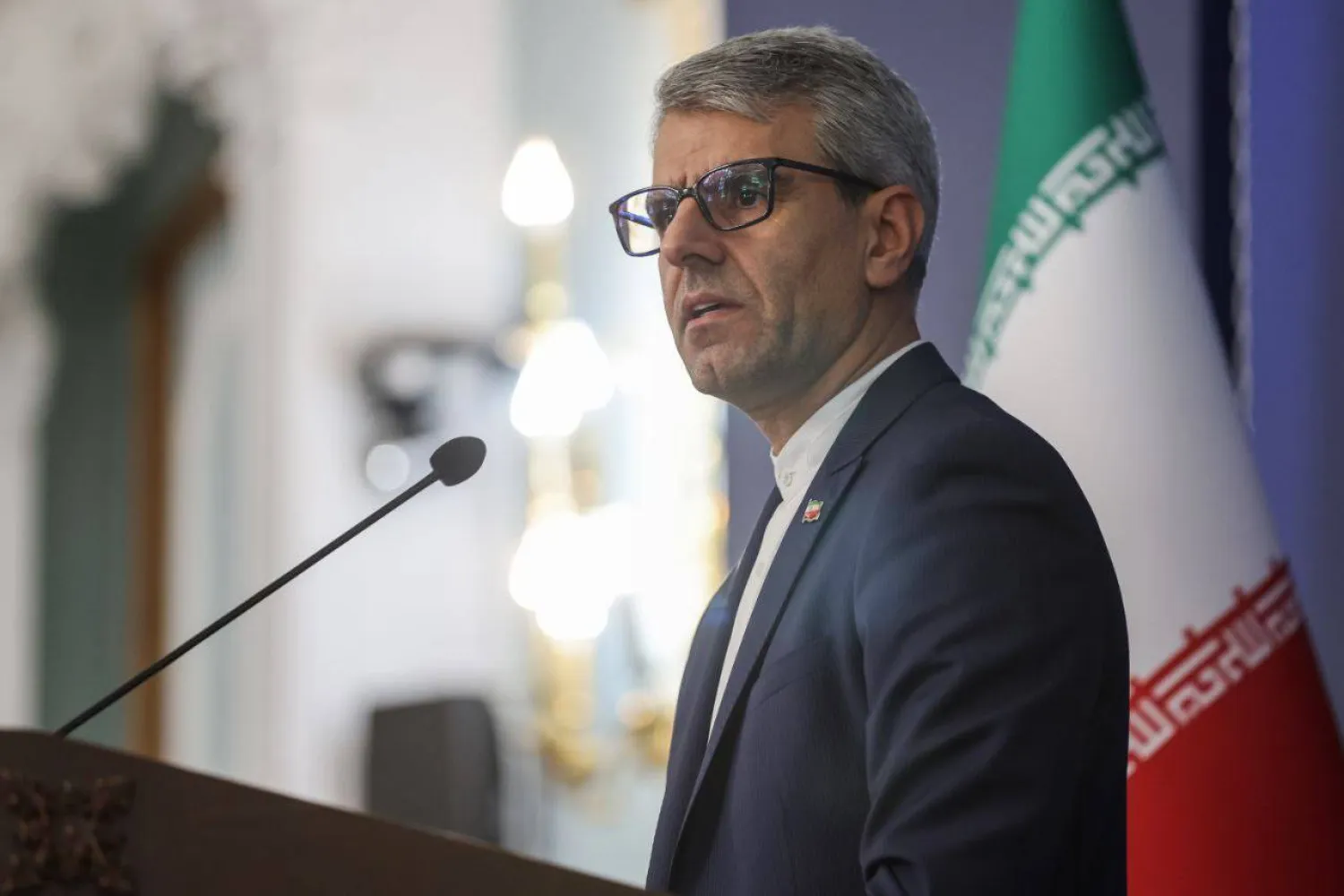
Iran has defended its decision to close the Strait of Hormuz, highlighting that this action was taken in response to military threats allegedly posed by the United States and Israel. Esmaeil Baghaei, spokesperson for the Iranian Foreign Ministry, stated that Iran was compelled to protect itself after repeated attacks originating from bases in the Persian Gulf region. During an interview with India Today, Baghaei described the US and Israel as “aggressors” and insisted that Iran’s measures were in accordance with international law.

Baghaei specifically referred to events that transpired on 28 February, claiming that prior to that date, the Strait of Hormuz was navigable for all nations. He contended that Iran’s actions were necessitated by what he termed unlawful aggression from external forces. He underscored that Iran’s measures were entirely justified under international law, given the perceived threats it faces.

Furthermore, Baghaei remarked that the recent closure of the Strait was not a decision taken lightly by Iran but rather a necessary defence against external aggression. “So we had to fight back,” he said, emphasising that Iran’s measures were a direct response to ongoing military threats.

Impact on Global Trade and Relations with India

Baghaei expressed sorrow over the adverse effects of the closure on India and other countries, noting that the situation was triggered by actions from the United States and Israel. He mentioned that Iran, being a coastal state, has a significant dependence on the Strait of Hormuz for its economic stability. Despite acknowledging the difficulties faced by other nations, Baghaei reiterated that the responsibility for such disruptions lies with external aggressors.

On the historical ties between Iran and India, Baghaei stressed that both countries have maintained a strong diplomatic relationship and share numerous commonalities. He asserted that the closure of the Strait affects not only Iran but also countries reliant on it for energy supplies. He underscored that India’s challenges in this context are linked to broader geopolitical issues stemming from actions taken against Iran.

Baghaei further called for accountability for the consequences of these aggressions, arguing that the international community must recognise and address the actions of the US and Israel that, according to him, result in widespread ramifications for economies worldwide.

Upcoming Diplomatic Meetings and Future Collaborations

Looking ahead, Baghaei confirmed that Iranian Foreign Minister Abbas Araghchi intends to attend the BRICS Foreign Ministers’ meeting in New Delhi. This gathering, scheduled from 14 to 15 May, represents an essential opportunity for Iran to reinforce its diplomatic engagements with India and other member nations.

Baghaei noted that both Iran and India are part of BRICS and the Shanghai Cooperation Organisation, facilitating a foundation for cooperation on multiple fronts. He expressed optimism regarding the chance for bilateral meetings at the conference, particularly with India’s Foreign Minister, who will be hosting the event.

The Iranian spokesperson remarked that the existing diplomatic relations between Iran and India are designed to uphold mutual respect and shared interests. He expressed a desire to continue strengthening these connections regardless of the geopolitical unrest currently affecting the Strait of Hormuz.

Long or Short, get news the way you like. No ads. No redirections. Download Newspin and Stay Alert, The CSR Journal Mobile app, for fast, crisp, clean updates!

App Store –  https://apps.apple.com/in/app/newspin/id6746449540 

Google Play Store – https://play.google.com/store/apps/details?id=com.inventifweb.newspin&pcampaignid=web_share

Latest News

Popular Videos
